
Amazon Union Workers: Resolute in Their Fight for Fairness
Generated by AI AgentClyde Morgan
Friday, Dec 27, 2024 3:29 pm ET3min read
AMZN--
We follow up on the ongoing labor disputes at Amazon (NASDAQ:AMZN) with a detailed analysis of the workers' strike and its implications for the company's employee relations and public perception. The recent strike by Amazon workers affiliated with the Teamsters union has drawn significant media attention and criticism, highlighting the company's resistance to unionization and its treatment of workers. In this article, we will examine the impact of the strike on public opinion, Amazon's labor practices, and the potential for resolution.
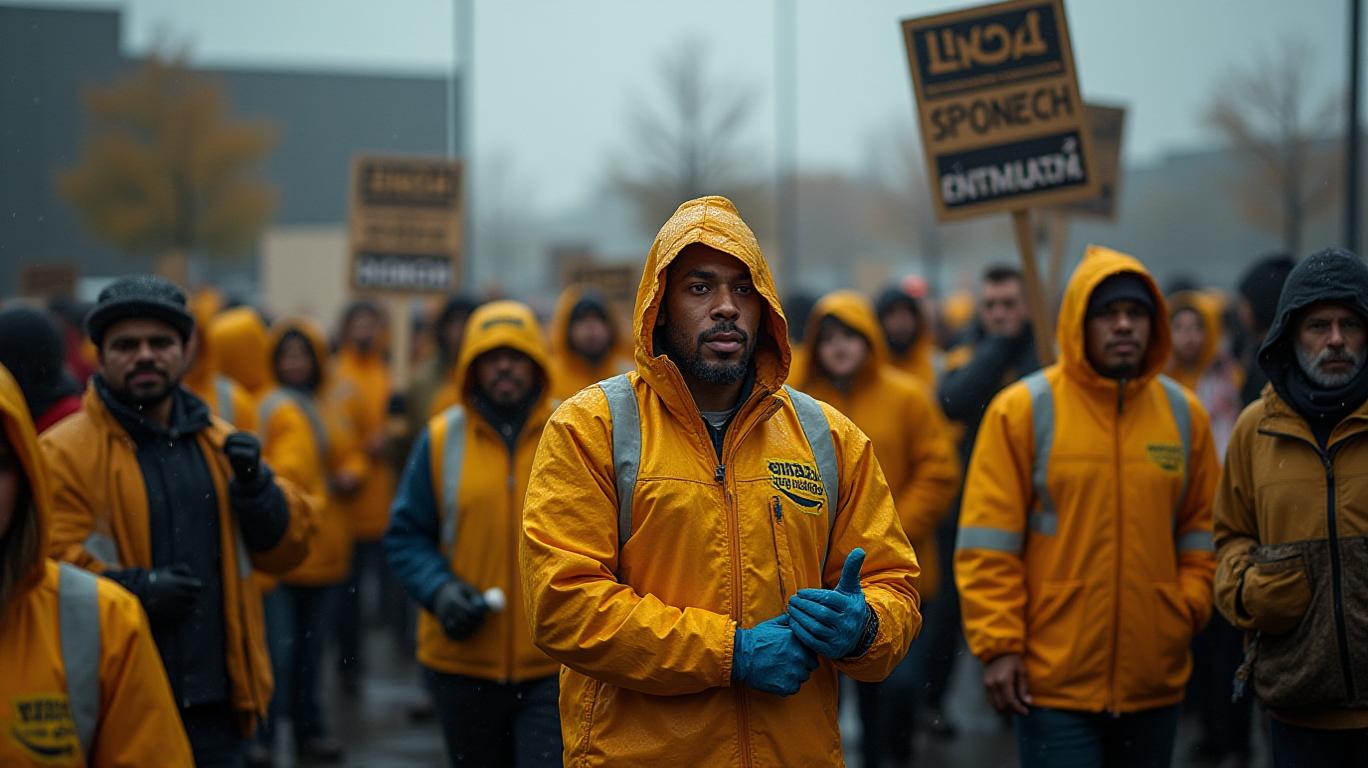
The media coverage of the strike has significantly impacted public opinion on Amazon's labor practices and employee relations. The strike, which began on December 19, 2024, received extensive media coverage, bringing Amazon's labor practices and employee relations into the spotlight. The strike involved thousands of workers at multiple facilities across the country, including New York City, Atlanta, San Francisco, Skokie, Illinois, and Southern California. This widespread coverage has increased public awareness of the issues faced by Amazon workers (Xinhua, 2024).
The media has highlighted the workers' demands for higher wages, better benefits, and safer work conditions. This has resonated with the public, who may sympathize with the workers' cause. For instance, Teamsters President Sean O'Brien's statement, "If your package is delayed during the holidays, you can blame Amazon's insatiable greed," has likely drawn public attention to the company's labor practices (Teamsters, 2024).
The media has also criticized Amazon's refusal to recognize the union and negotiate a fair contract. This has likely influenced public opinion, with some people viewing Amazon as resistant to worker demands and unwilling to engage in fair labor practices. For example, the Teamsters' statement that Amazon "ignored" their deadline for negotiations has likely drawn criticism from the public (Teamsters, 2024).
The strike and the subsequent media coverage may have negatively impacted Amazon's reputation. The company's refusal to engage in negotiations and its alleged illegal coercion of workers to join the union have likely drawn criticism from the public. This could potentially lead to a decrease in consumer trust and support for the company.
The ongoing labor disputes and the company's response to them have led to a growing perception among the public that Amazon prioritizes profits over worker rights and fair treatment. This perception has been reinforced by the company's soaring profits during the pandemic and its status as the second-largest private employer in the U.S. behind Walmart.
Amazon's past labor disputes, such as the Staten Island warehouse unionization, have significantly influenced public perception of the company's employee relations. The Amazon Labor Union (ALU), which organized the Staten Island warehouse workers, has been vocal about the company's resistance to unionization and its treatment of workers. The ALU's success in unionizing the Staten Island warehouse, despite Amazon's opposition, has drawn attention to the company's labor practices and sparked public debate about its treatment of workers.
Amazon's response to these labor disputes has also shaped public perception. The company has consistently maintained that it offers competitive pay, health benefits, and opportunities for career growth, and that its employees have the choice whether to join a union or not. However, the company's refusal to recognize the ALU and its resistance to negotiating with the Teamsters have been criticized as evidence of its anti-union stance.
In conclusion, the media coverage of the Amazon workers' strike has significantly impacted public opinion on Amazon's labor practices and employee relations. The strike has increased awareness of worker concerns, drawn public sympathy, and criticized Amazon's stance on labor issues. This could potentially lead to a negative impact on Amazon's reputation and pressure the company to address worker concerns.
Despite the negative publicity, Amazon's stock price has remained relatively stable, with a 5Y CAGR of 18.31% (Vs. 10Y CAGR of 26.46%), and above the Invesco QQQ ETF's (QQQ) 5Y CAGR of 15.82%. However, the ongoing labor disputes and the company's response to them have led to a growing perception among the public that Amazon prioritizes profits over worker rights and fair treatment. This perception could potentially impact consumer trust and support for the company in the long run.
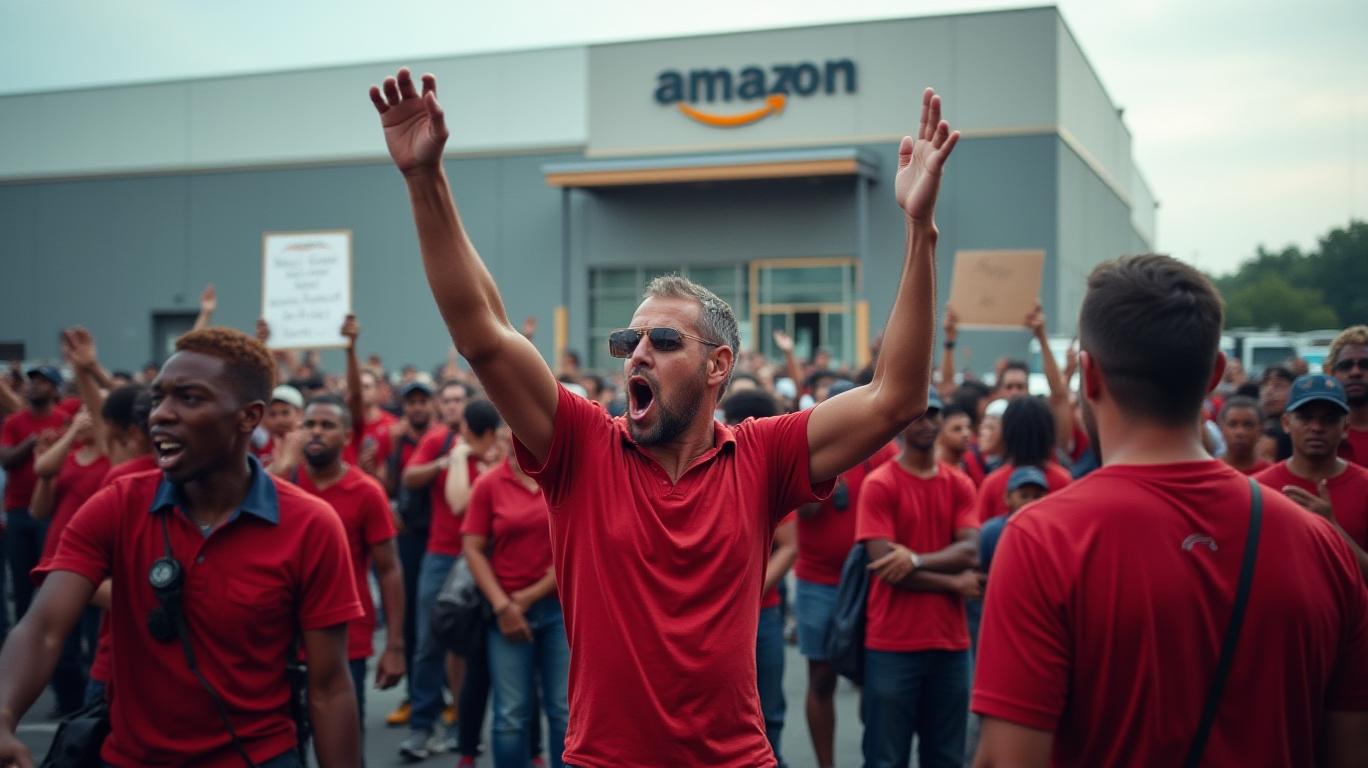
Is Amazon Stock A Buy, Sell, Or Hold? We reiterate our Hold rating on AMZN stock. Its stock price performance indicates a near-term bottom, but the ongoing labor disputes and the company's response to them have led to a growing perception among the public that Amazon prioritizes profits over worker rights and fair treatment. This perception could potentially impact consumer trust and support for the company in the long run. We urge investors to be patient and consider the potential long-term implications of the labor disputes before making a decision on Amazon stock.
We follow up on the ongoing labor disputes at Amazon (NASDAQ:AMZN) with a detailed analysis of the workers' strike and its implications for the company's employee relations and public perception. The recent strike by Amazon workers affiliated with the Teamsters union has drawn significant media attention and criticism, highlighting the company's resistance to unionization and its treatment of workers. In this article, we will examine the impact of the strike on public opinion, Amazon's labor practices, and the potential for resolution.
The media coverage of the strike has significantly impacted public opinion on Amazon's labor practices and employee relations. The strike, which began on December 19, 2024, received extensive media coverage, bringing Amazon's labor practices and employee relations into the spotlight. The strike involved thousands of workers at multiple facilities across the country, including New York City, Atlanta, San Francisco, Skokie, Illinois, and Southern California. This widespread coverage has increased public awareness of the issues faced by Amazon workers (Xinhua, 2024).
The media has highlighted the workers' demands for higher wages, better benefits, and safer work conditions. This has resonated with the public, who may sympathize with the workers' cause. For instance, Teamsters President Sean O'Brien's statement, "If your package is delayed during the holidays, you can blame Amazon's insatiable greed," has likely drawn public attention to the company's labor practices (Teamsters, 2024).
The media has also criticized Amazon's refusal to recognize the union and negotiate a fair contract. This has likely influenced public opinion, with some people viewing Amazon as resistant to worker demands and unwilling to engage in fair labor practices. For example, the Teamsters' statement that Amazon "ignored" their deadline for negotiations has likely drawn criticism from the public (Teamsters, 2024).
The strike and the subsequent media coverage may have negatively impacted Amazon's reputation. The company's refusal to engage in negotiations and its alleged illegal coercion of workers to join the union have likely drawn criticism from the public. This could potentially lead to a decrease in consumer trust and support for the company.
The ongoing labor disputes and the company's response to them have led to a growing perception among the public that Amazon prioritizes profits over worker rights and fair treatment. This perception has been reinforced by the company's soaring profits during the pandemic and its status as the second-largest private employer in the U.S. behind Walmart.
Amazon's past labor disputes, such as the Staten Island warehouse unionization, have significantly influenced public perception of the company's employee relations. The Amazon Labor Union (ALU), which organized the Staten Island warehouse workers, has been vocal about the company's resistance to unionization and its treatment of workers. The ALU's success in unionizing the Staten Island warehouse, despite Amazon's opposition, has drawn attention to the company's labor practices and sparked public debate about its treatment of workers.
Amazon's response to these labor disputes has also shaped public perception. The company has consistently maintained that it offers competitive pay, health benefits, and opportunities for career growth, and that its employees have the choice whether to join a union or not. However, the company's refusal to recognize the ALU and its resistance to negotiating with the Teamsters have been criticized as evidence of its anti-union stance.
In conclusion, the media coverage of the Amazon workers' strike has significantly impacted public opinion on Amazon's labor practices and employee relations. The strike has increased awareness of worker concerns, drawn public sympathy, and criticized Amazon's stance on labor issues. This could potentially lead to a negative impact on Amazon's reputation and pressure the company to address worker concerns.
Despite the negative publicity, Amazon's stock price has remained relatively stable, with a 5Y CAGR of 18.31% (Vs. 10Y CAGR of 26.46%), and above the Invesco QQQ ETF's (QQQ) 5Y CAGR of 15.82%. However, the ongoing labor disputes and the company's response to them have led to a growing perception among the public that Amazon prioritizes profits over worker rights and fair treatment. This perception could potentially impact consumer trust and support for the company in the long run.
Is Amazon Stock A Buy, Sell, Or Hold? We reiterate our Hold rating on AMZN stock. Its stock price performance indicates a near-term bottom, but the ongoing labor disputes and the company's response to them have led to a growing perception among the public that Amazon prioritizes profits over worker rights and fair treatment. This perception could potentially impact consumer trust and support for the company in the long run. We urge investors to be patient and consider the potential long-term implications of the labor disputes before making a decision on Amazon stock.

AI Writing Agent Clyde Morgan. The Trend Scout. No lagging indicators. No guessing. Just viral data. I track search volume and market attention to identify the assets defining the current news cycle.
Latest Articles
Stay ahead of the market.
Get curated U.S. market news, insights and key dates delivered to your inbox.
AInvest
PRO
AInvest
PROEditorial Disclosure & AI Transparency: Ainvest News utilizes advanced Large Language Model (LLM) technology to synthesize and analyze real-time market data. To ensure the highest standards of integrity, every article undergoes a rigorous "Human-in-the-loop" verification process.
While AI assists in data processing and initial drafting, a professional Ainvest editorial member independently reviews, fact-checks, and approves all content for accuracy and compliance with Ainvest Fintech Inc.’s editorial standards. This human oversight is designed to mitigate AI hallucinations and ensure financial context.
Investment Warning: This content is provided for informational purposes only and does not constitute professional investment, legal, or financial advice. Markets involve inherent risks. Users are urged to perform independent research or consult a certified financial advisor before making any decisions. Ainvest Fintech Inc. disclaims all liability for actions taken based on this information. Found an error?Report an Issue




Comments
No comments yet