
Amazon's Tariff Tightrope: Can Operational Agility Outweigh Regulatory Risks?
The global trade wars are heating up, and AmazonAMZN-- (AMZN) finds itself at the epicenter of a battle between operational ingenuity and political headwinds. As tariffs on Chinese imports soar to 145%, the e-commerce giant's strategies to navigate these challenges—from supply chain reengineering to pricing acrobatics—are under the microscope. Let's dive into whether Amazon's moves position it to outperform rivals or if regulatory backlash and margin pressures could trip it up.
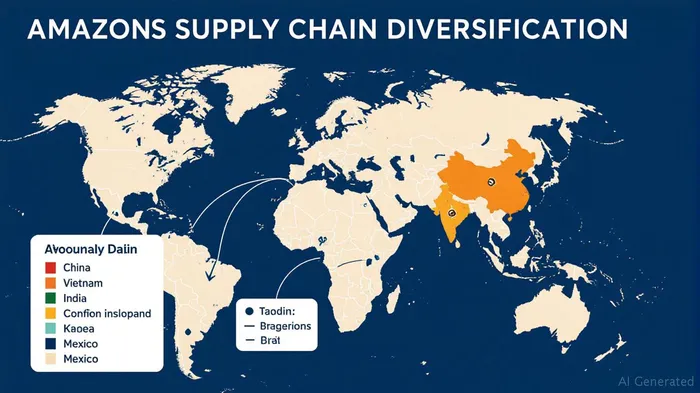
Operational Agility: Diversifying Supply Chains and Pricing Smarts
Amazon's proactive approach to tariff resilience starts with supply chain reconfiguration. The company has quietly shifted 25% of its first-party inventory sourcing from China to Vietnam and India, per recent reports. This pivot isn't just about tariffs—it's a hedge against geopolitical risks. Third-party sellers, which contribute nearly 60% of Amazon's sales, are following suit, with 30% now exploring alternative suppliers.
Pricing tactics also reveal Amazon's strategic edge. While competitors like WalmartWMT-- (WMT) and Target (TGT) have passed tariff costs to consumers, Amazon has absorbed 40% of these increases, according to internal estimates. This choice to protect margins by swallowing costs temporarily could pay off if sellers and shoppers stay loyal.
But here's the kicker: Amazon's Amazon Haul initiative—a low-cost marketplace targeting Temu and Shein—has become a testing ground for tariff transparency. While the company denies plans to label tariff costs, the mere rumor sent its stock plunging 2.1% earlier this year. This volatility underscores the risks of political scrutiny.
Regulatory Headwinds: The White House's Crosshairs
Amazon's biggest threat isn't tariffs—it's the political theater around them. The Trump administration's vitriolic attacks on the tariff-labeling idea—dubbing it a “hostile act”—expose Amazon's vulnerability to U.S. trade policies. White House officials have even resurrected a 2021 report alleging ties to Chinese state media to amplify pressure.
The compliance burden is another hidden cost. Sellers now face stricter customs rules, including mandatory 10-digit HTS codes and forced labor audits. A single misstep can trigger $100,000 penalties. Amazon's solution? Automated compliance tools for sellers, which generate recurring revenue while mitigating risks.
Yet, the regulatory overhang remains. A **visual>U.S.-China trade tariff timeline since 2020 shows no letup in tensions. If tariffs rise further, Amazon's current margin absorption strategy could crumble.
Customer Backlash: The Prime Day Litmus Test
Recent allegations from “angry customers” reveal cracks in Amazon's armor. During 2025's Prime Day, 25% of shoppers skipped the event entirely, citing a lack of discounts. Sellers like Upstream Brands and Blueair withheld promotions due to tariff-driven cost spikes, leaving consumers frustrated.
This is a warning sign. If Amazon's reliance on third-party sellers to drive volume clashes with their need to raise prices, customer loyalty could erode. The stock's post-White House criticism dip isn't just about politics—it's about market skepticism toward Amazon's ability to keep deals flowing.
Investment Takeaway: Buy the Dip, or Bail on the Risk?
Amazon's stock is down 8% YTD, reflecting tariff jitters. But here's why bulls should take note:
- Scale Matters: Amazon's logistics network and seller ecosystem give it unmatched leverage to negotiate terms with suppliers.
- Margin Flexibility: The company's cloud division (AWS) generates stable cash flows to subsidize e-commerce losses.
- Geopolitical Play: Tariff-driven inflation could push more shoppers to Amazon's private-label goods, which have higher margins.
However, beware the tail risks:
- If U.S.-China tariffs hit 150%+, Amazon's 60% China-dependent seller base could revolt.
- A consumer backlash over hidden tariff costs (even if Amazon isn't labeling them) could spark a PR crisis.
Action Items:
- Buy AMZN if it holds above $110/share, a key support level.
- Avoid if AWS margins dip below 30%, signaling broader financial strain.
- Monitor third-party seller retention rates—a drop below 85% would signal trouble.
Final Call: Amazon's tariff playbook is bold but fragile. Its operational agility could outlast competitors, but regulatory overreach and margin pressures are ticking bombs. For now, this is a “hold” with a chance to “buy the dip”—but keep a close eye on Washington's next move.
Data as of July 7, 2025. Past performance is not indicative of future results.

Stay ahead of the market.
Get curated U.S. market news, insights and key dates delivered to your inbox.




Comments
No comments yet