
Amazon's Sweeping Corporate Job Cuts: Jassy's AI Gamble and Cost Reckoning



In a bold move that underscores the tech industry's relentless pivot toward efficiency, AmazonAMZN--.com Inc. is poised to slash as many as 30,000 corporate jobs, marking the company's most significant workforce reduction since the post-pandemic reset of late 2022.
Sources familiar with the plans reveal that notifications could begin rolling out as early as Tuesday, targeting a swath of divisions from human resources to cloud computing. This initiative, spearheaded by CEO Andy Jassy, arrives amid mounting pressure to streamline operations, harness artificial intelligence for productivity gains, and counteract sluggish growth in key profit centers like Amazon Web Services (AWS). With shares ticking up modestly on the news, investors appear to view the cuts as a necessary step in Amazon's evolution, even as the broader market braces for third-quarter earnings later this week.
The Scale of the Reductions
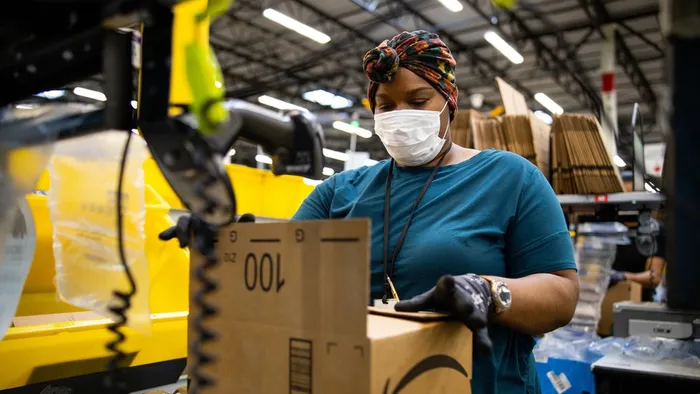
At first glance, 30,000 jobs might seem staggering, but context tempers the shock. Amazon's global workforce stands at approximately 1.55 million, dominated by hourly warehouse and fulfillment roles. The cuts focus squarely on the corporate ranks, which number around 350,000—a segment that ballooned during the e-commerce surge of the COVID-19 era. This round could eliminate nearly 10% of those positions, dwarfing the piecemeal trims Amazon has executed over the past two years in areas like devices, communications, and podcasting.
The 2022 layoffs, which totaled about 27,000, were part of an initial belt-tightening as demand normalized post-pandemic. Now, with managers undergoing mandatory training to handle the fallout, the process promises to be swift and structured: email notifications kick off the terminations, followed by guided communications from leadership. Yet, the full extent remains fluid, sources caution, as Amazon's financial priorities could adjust the final tally. Early reports suggest the human resources division, dubbed People Experience and Technology (PXT), might face a disproportionate hit of around 15%, while other areas like operations, devices, services, logistics, payments, video games, and AWS are also in the crosshairs.
Jassy's Drive for Efficiency
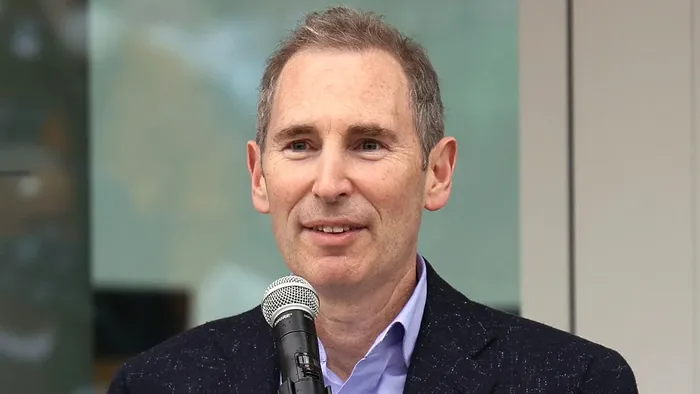
Central to this overhaul is Andy Jassy, who has made no secret of his ambition to excise bureaucratic bloat. Since assuming the CEO mantle, Jassy has championed initiatives like an anonymous complaint line that has fielded over 1,500 submissions, spurring more than 450 process improvements. His June memo to employees was blunt: the rise of AI tools would inevitably displace roles tied to repetitive tasks, paving the way for a leaner organization. "We will need fewer people doing some of the jobs that are being done today," he wrote, signaling a workforce contraction as AI embeds deeper into corporate functions.
Internal discussions over the past year echo this sentiment, with Jassy urging teams to automate wherever feasible. The company's pandemic hiring spree left lingering inefficiencies, and despite prior cuts, certain pockets of the organization remain cumbersome. Analysts like Sky Canaves from eMarketer see this as a direct payoff from AI investments: "This latest move signals that Amazon is likely realizing enough AI-driven productivity gains within corporate teams to support a substantial reduction in force." Indeed, the push aligns with broader cost offsets for Amazon's hefty outlays in AI infrastructure, a long-term bet that's straining short-term margins.
Return-to-Office Mandates and Attrition Shortfalls
Complicating the picture is Amazon's aggressive return-to-office (RTO) policy, one of the strictest in tech, requiring five days a week in the workplace since early this year. The mandate aimed to foster collaboration but has instead fueled resentment, particularly among employees distant from hubs like Seattle, Arlington, Virginia, or Washington, D.C. Some were even ordered to relocate cross-country to align with their teams.
Sources indicate the policy fell short of generating the hoped-for voluntary attrition, contributing to the need for enforced cuts. In a cost-saving twist, non-compliant workers—those not swiping in regularly due to geography or other factors—are being classified as having "voluntarily quit," forfeiting severance packages. This maneuver underscores Amazon's fiscal pragmatism, minimizing payouts while achieving headcount reductions. Meanwhile, a recent reorganization within PXT's diversity initiatives, involving promotions to new roles, hints at selective restructuring rather than wholesale dismantling.
Broader Tech Layoff Landscape
Amazon's actions don't occur in isolation. The tech sector has shed about 98,000 jobs this year across 216 companies, per Layoffs.fyi, building on 153,000 cuts in 2024. This wave reflects a collective reckoning with overhiring during the boom years, compounded by economic headwinds like inflation and interest rate hikes. Yet Amazon's scale amplifies the impact: as a bellwether for e-commerce and cloud computing, its moves ripple through suppliers, competitors, and the labor market.
Comparisons to peers highlight the competitive pressures. AWS, Amazon's crown jewel and primary profit engine, posted second-quarter sales of $30.9 billion—a respectable 17.5% year-over-year jump, but paling beside Microsoft's Azure (39% growth) and Google's Cloud (32%). Third-quarter projections point to a modest uptick to $32 billion, or about 18% growth, a slight dip from last year's 19%. A recent 15-hour AWS outage, which disrupted services like Snapchat and Venmo, exposed vulnerabilities in the unit's infrastructure, potentially eroding customer trust at a critical juncture.
Financial Implications and Market Reaction
From a balance sheet perspective, these cuts promise immediate relief. Trimming corporate overhead could free up capital for reinvestment in high-growth areas like AI and e-commerce innovation, where Amazon continues to dominate. The company's holiday preparations offer a counterpoint to the austerity: plans for 250,000 seasonal hires match the prior two years, betting on robust consumer spending to buoy fourth-quarter results.
Wall Street's response has been measured but positive. Amazon shares climbed 1.2% to $226.97 on Monday, suggesting investors endorse Jassy's strategy as a pathway to sustained profitability. With third-quarter earnings slated for Thursday, all eyes will be on AWS's performance and any forward guidance on AI integration. If the cuts deliver the anticipated efficiencies, they could bolster margins and accelerate stock recovery from recent volatility.
That said, risks abound. Overzealous reductions might stifle innovation or morale, especially in creative divisions like video games or devices. Moreover, the AI narrative carries caveats: while tools promise automation, their full deployment could take years, leaving a transitional void in productivity. Analysts will scrutinize whether these layoffs signal deeper structural issues or merely a tactical adjustment.
Looking Ahead: A Leaner Amazon Emerges?
As Amazon navigates this inflection point, Jassy's vision of a nimbler, AI-augmented powerhouse takes shape. The cuts, while painful for those affected, reflect a calculated response to a maturing market where growth no longer comes cheaply. By shedding excess layers and embracing automation, Amazon aims to fortify its competitive edge against rivals like Microsoft and Google, who are similarly wielding AI as a double-edged sword for efficiency and disruption.
Yet, the human element looms large. In anonymous forums, employees have voiced anxiety over the opaque rollout, a pattern in past rounds where details leaked sporadically. For a company that prides itself on customer obsession, maintaining internal trust will be paramount. If executed well, this purge could propel Amazon toward renewed dominance; if not, it risks alienating the talent needed for future breakthroughs.
In the end, these job cuts encapsulate the tech giants' ongoing transformation: from pandemic-fueled expansion to a more disciplined, AI-centric era. Investors, employees, and competitors alike will watch closely as Amazon charts its course, with Jassy at the helm steering through turbulent waters.

Expert analysis on U.S. markets and macro trends, delivering clear perspectives behind major market moves.
Latest Articles
Stay ahead of the market.
Get curated U.S. market news, insights and key dates delivered to your inbox.
AInvest
PRO
AInvest
PRO



Comments
No comments yet