
Amazon's Robot Workforce to Match Human Employees by 2030s
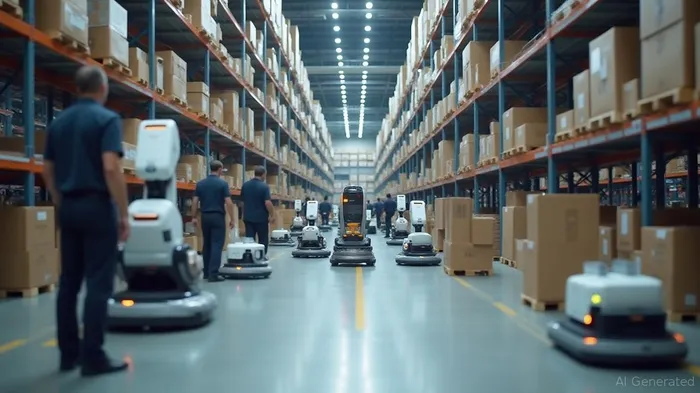
Amazon is on the cusp of a significant milestone in warehouse automation, with the number of robots in its facilities set to match the number of human employees. This transition is part of a broader trend towards increased automation and artificial intelligence, which is expected to drive significant productivity gains and potentially lead to substantial job reductions by the 2030s.
Currently, approximately 75% of the packages handled by Amazon are assisted by robotic systems, which perform tasks ranging from picking and sorting to packaging and transportation. This automation wave has already had a notable impact on Amazon's hiring strategies, with the average number of employees per warehouse dropping to its lowest level in sixteen years. The company plans to further reduce its overall workforce in the coming years, as artificial intelligence becomes more deeply integrated into its operations.
The CEO of Amazon has stated that the integration of artificial intelligence into fulfillment centers will enhance inventory management, demand forecasting, and robot efficiency. This is expected to result in a reduction in the company's overall workforce in the coming years. The automation drive has led to a significant increase in efficiency, with each employee now handling approximately 3,870 packages, compared to 175 packages in 2015. This exponential growth underscores the transformative impact of automation on operational efficiency.
As automation accelerates, Amazon's hiring strategies are undergoing a fundamental shift. The most visible sign of this change is the slowing of recruitment and the decrease in employee density per facility. Despite the creation of some new job roles, the overall trend is towards a reduction in the total number of employees. This poses a significant challenge for workers advocating for unionization, as their jobs are increasingly threatened by automation.
Amazon's ultimate goal is not just to achieve human-robot collaboration but to move towards full automation. With the deployment of advanced robotic systems like Vulcan, the company is edging closer to complete integration of robotic technology. This trend is expected to continue throughout the 2030s, as automation becomes more pervasive across various industries. The shift towards automation raises critical questions about the future of employment and the need for reskilling and upskilling programs to support workers transitioning to new roles in an automated economy.

Stay ahead of the market.
Get curated U.S. market news, insights and key dates delivered to your inbox.






Comments
No comments yet