
Amazon Faces Historic Worker Strike Amid Holiday Shopping Frenzy
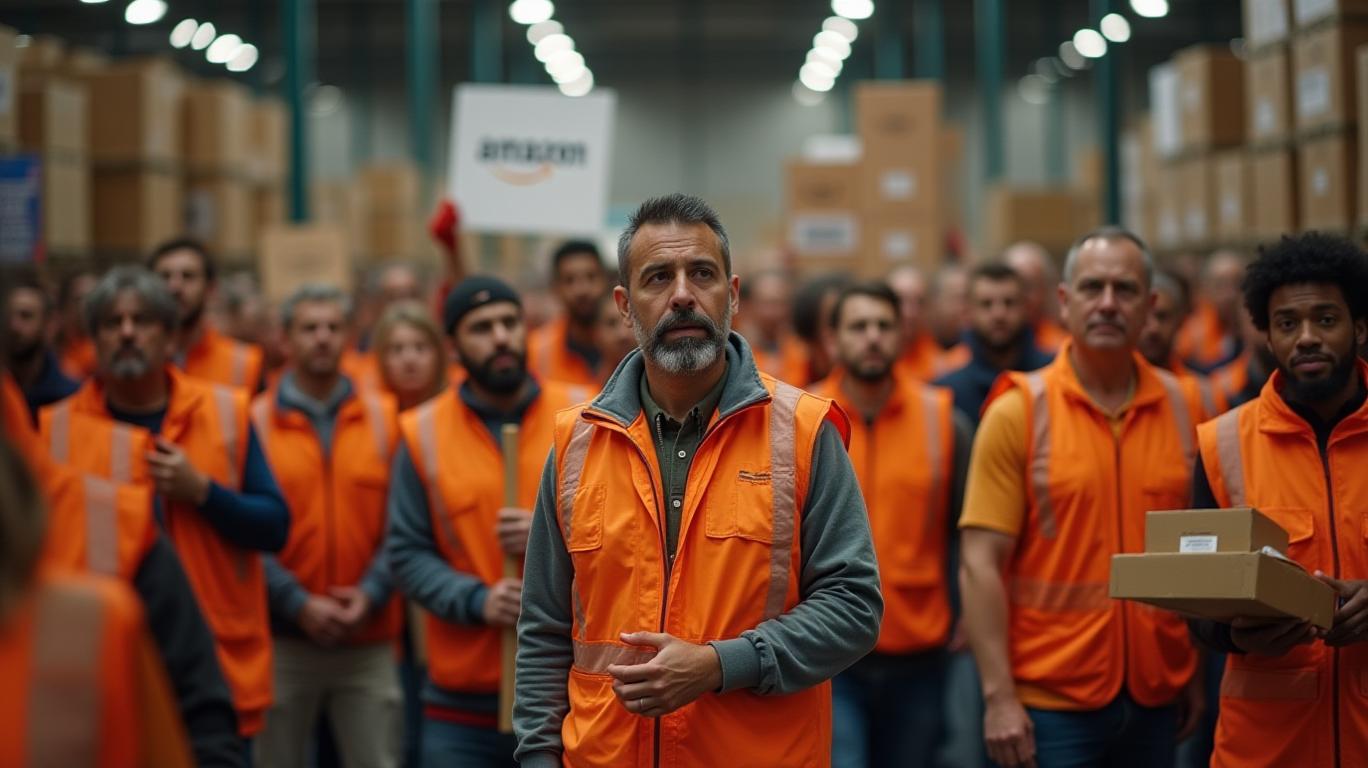
Thousands of Amazon employees have initiated what industry sources describe as the largest strike in the company's history. The strike began on Thursday morning, Eastern Time, as the holiday shopping season intensifies. The action is a coordinated effort by unionized workers across several U.S. locations, including New York City, Skokie, Illinois, Atlanta, San Francisco, and Southern California. Led by the International Brotherhood of Teamsters, the workers are rallying for improved wages and working conditions.
The strike is part of a broader global movement labeled "Make Amazon Pay," which saw workers from nearly 20 countries embark on similar actions. The protests aim to apply financial pressure on Amazon during the crucial period extending from Black Friday to Cyber Monday, with major demonstrations planned in key cities across the United States, Germany, the United Kingdom, Japan, India, and Brazil.
This labor unrest poses a significant challenge to Amazon as it navigates through its busiest time of year. The potential disruption could affect Amazon's ability to fulfill orders, particularly as the company operates numerous warehouses and smaller delivery stations in the New York City area, facilitating same-day delivery services.
Union leaders have expressed dissatisfaction with Amazon's reluctance to enter negotiations. They argue that the corporation's failure to address employee concerns over wages and safety has left the workers with no choice but to strike. The protest signals the unions' attempt to exert financial leverage over Amazon, hoping to catalyze changes in labor policies at the e-commerce giant.
While Amazon disputes the necessity of union formation and accuses organizers of coercive tactics, workers and union representatives remain persistent in their demands. Among their requests is a minimum wage of $30 per hour, along with enhanced safety measures. This confrontation marks a historical highlight in Amazon’s long-standing resistance to unionization efforts since its inception in 1994.
The implications of the strike extend beyond immediate operational challenges. If the company does not address the labor issues, it risks ongoing tensions that could further impact its logistics and reputation. As the situation unfolds, stakeholders across the supply chain, including manufacturers and logistics providers, are advised to closely monitor developments and prepare for potential disruptions in their networks.

Stay ahead of the market.
Get curated U.S. market news, insights and key dates delivered to your inbox.




Comments
No comments yet