
Amancio Ortega's Paris Office Play: A Shift Toward Core Assets in Luxury Real Estate
The luxury real estate market has long been defined by its pursuit of opulence—from penthouses with skyline views to five-star hotels in prime locations. Yet, the recent moves by Amancio Ortega, founder of Zara and Europe's second-richest individual, suggest a strategic pivot among high-net-worth investors toward core real estate assets like offices and logistics hubs, even in the heart of Paris. While Ortega's portfolio lacks recent acquisitions of Parisian hotels, his investments in the city's commercial real estate offer clues about where ultra-wealthy investors are placing their bets—and why.
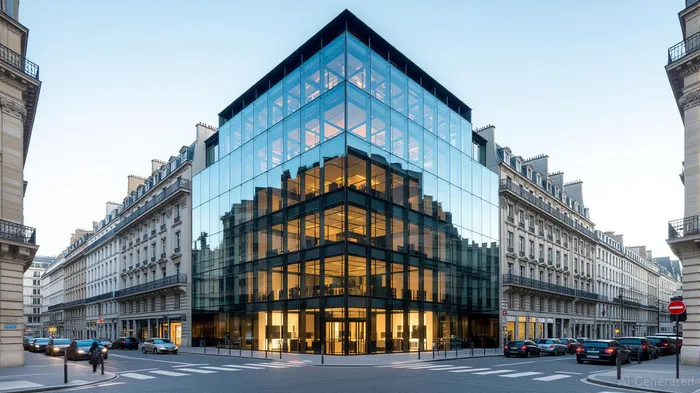
Ortega's Paris Play: No Hotels, Just Prime Office Space
In 2023, Ortega's family office, Pontegadea, dropped over €200 million on a 10,000-square-meter office building at 14 Halévy Street in central Paris. This acquisition, highlighted as the largest central Paris investment of the year, signaled a departure from the hotel-focused luxury real estate narrative. Instead, Ortega prioritized a property near the Opéra district, leased to a stable tenant and offering predictable cash flows—a hallmark of his investment philosophy.
The move aligns with a broader trend among ultra-wealthy investors: shifting away from volatile sectors like hospitality and toward income-generating core assets. Hotels, while glamorous, face risks like occupancy fluctuations and high operational costs. Office buildings in prime locations, by contrast, often boast long-term leases with blue-chip tenants, offering reliable returns even in economic downturns.
The Shift in Luxury Real Estate: From Glitz to Grit
Ortega's strategy reflects a seismic shift in how high-net-worth individuals and institutional investors view luxury real estate. The pandemic accelerated a reevaluation of risk, with investors favoring defensive assets over speculative plays. Consider the data:
- Office buildings in prime European cities like Paris and London now command 8–10% unleveraged returns, outperforming hotels, which struggle with 5–7% yields amid rising labor costs and ESG compliance demands.
- Logistics assets, another Ortega favorite, have surged in value, with warehouses near major hubs like Paris offering double-digit returns due to e-commerce growth.
This trend is no accident. Ultra-wealthy investors like Ortega are moving capital to sectors where cash flow stability trumps prestige. Their portfolios increasingly mirror institutional investors' preferences—diversified into offices, logistics, and renewable energy—while sidelining traditional luxury assets like standalone hotels.
Implications for Investors: Follow the Cash Flow
For those building real estate portfolios, Ortega's moves offer a playbook:
- Focus on Core Assets: Prioritize office buildings in prime locations with long-term leases (5+ years) to insulated against market swings.
- Embrace Logistics: The rise of e-commerce means warehouses near major cities will remain cash machines, especially in Europe.
- Avoid Overpaying for Prestige: Parisian hotels may retain cultural cachet, but their financial risks—high capex, cyclical demand—make them poor bets for steady returns.
Ortega's avoidance of Parisian hotels isn't a rejection of luxury real estate but a redefinition of it. The new luxury, for high-net-worth investors, is risk mitigation through cash flow.
Conclusion: The New Rules of Luxury Real Estate
Amancio Ortega's Paris office acquisition underscores a critical truth: luxury real estate is evolving. Investors are no longer chasing status symbols but high-quality income streams in prime locations. While Paris's hotel market may still attract capital, the real winners will be those who follow Ortega's lead—prioritizing stability over spectacle.
For portfolios seeking exposure, the data is clear: look to core offices and logistics. The era of hotel-centric luxury real estate is giving way to an era of cash flow-centric luxury—and the smartest investors are already there.

Stay ahead of the market.
Get curated U.S. market news, insights and key dates delivered to your inbox.


AInvest
PRO
AInvest
PRO



Comments
No comments yet