
Aluminum Market Experiences Turmoil Amid Tariffs and Supply Chain Disruption
ByAinvest
Friday, Aug 29, 2025 6:26 am ET2min read
RIO--
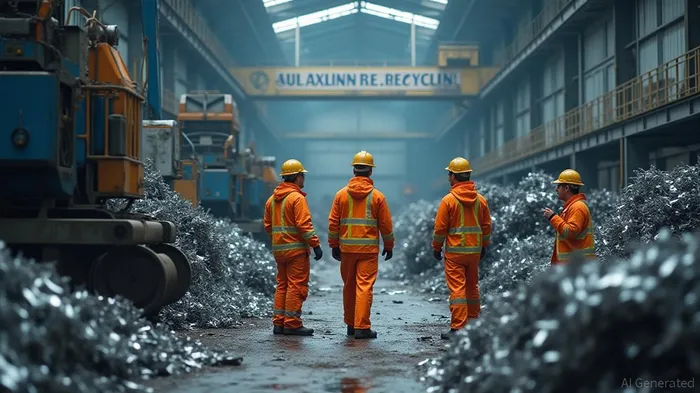
The EU's aluminum recycling plants, many of which have invested heavily in new furnaces to meet the demand for clean energy, are scaling back operations due to the scrap metal shortage. This imbalance, where finished aluminum exports face a 50% tariff while scrap metal shipments are exempt, is causing significant disruption. Paul Voss, head of European Aluminium, has warned that plants are shutting down capacity, and for recyclers, this is a matter of survival rather than shrinking profit margins [1].
Meanwhile, in the United States, aluminum prices have surged 81% since the tariffs took effect in June, reaching near $4,200 a ton compared to global benchmarks of around $2,600 a ton. This surge has forced even major producers like Rio Tinto to adapt. Rio Tinto, one of the world's largest producers, typically exports aluminum from its Quebec smelters to the U.S. However, the 50% tariff has made these shipments unprofitable, prompting the company to buy aluminum on the U.S. spot market and resell it to American customers [1].
The U.S. aluminum market, however, is struggling. With only four smelters remaining in operation, the market faces significant supply chain fragility. The sharp rise in commodity prices, coupled with a fragile supply chain, has sparked concerns about the potential for higher prices for canned goods, posing a risk to the food supply [1].
For analysts, the risks extend beyond price volatility. Ewa Manthey, a commodity strategist at ING, noted that the tariffs are already reshaping global aluminum flows, particularly affecting producers in Canada [1]. Despite the tariffs, the U.S. aluminum industry remains constrained, with domestic capacity insufficient to meet demand. New plants face high energy costs and long lead times, further complicating the situation [1].
The EU is facing a critical challenge in maintaining its competitiveness in a sector vital for electric vehicles, wind turbines, and other low-carbon technologies. Without relief, Europe risks losing its long-term competitive edge in these areas. The bloc is considering imposing a levy on scrap exports, but officials warn that action may be necessary by September [1].
The situation highlights the complex and far-reaching impacts of President Trump’s tariff policies. The aluminum industry, both in Europe and the United States, is grappling with significant disruptions that could have broader economic and environmental implications.
References:
[1] https://www.benzinga.com/markets/commodities/25/08/47407840/tariff-impact-exposes-aluminum-market-fragility
The EU is preparing emergency measures to protect its 40 billion euros aluminum industry, which employs 250,000 people directly and supports an additional 1 million jobs. The EU's aluminum recycling plants are scaling back operations due to a shortage of scrap metal, which is being diverted to the US to avoid a 50% tariff on finished aluminum exports. US prices have surged 81% since the tariffs took effect in June, and the US aluminum market is struggling with only four smelters remaining in operation.
The European Union is preparing emergency measures to safeguard its 40 billion euros aluminum industry, which directly employs approximately 250,000 people and supports an additional 1 million jobs. The crisis stems from a shortage of scrap metal, which is being diverted to the United States to avoid a 50% tariff on finished aluminum exports [1].The EU's aluminum recycling plants, many of which have invested heavily in new furnaces to meet the demand for clean energy, are scaling back operations due to the scrap metal shortage. This imbalance, where finished aluminum exports face a 50% tariff while scrap metal shipments are exempt, is causing significant disruption. Paul Voss, head of European Aluminium, has warned that plants are shutting down capacity, and for recyclers, this is a matter of survival rather than shrinking profit margins [1].
Meanwhile, in the United States, aluminum prices have surged 81% since the tariffs took effect in June, reaching near $4,200 a ton compared to global benchmarks of around $2,600 a ton. This surge has forced even major producers like Rio Tinto to adapt. Rio Tinto, one of the world's largest producers, typically exports aluminum from its Quebec smelters to the U.S. However, the 50% tariff has made these shipments unprofitable, prompting the company to buy aluminum on the U.S. spot market and resell it to American customers [1].
The U.S. aluminum market, however, is struggling. With only four smelters remaining in operation, the market faces significant supply chain fragility. The sharp rise in commodity prices, coupled with a fragile supply chain, has sparked concerns about the potential for higher prices for canned goods, posing a risk to the food supply [1].
For analysts, the risks extend beyond price volatility. Ewa Manthey, a commodity strategist at ING, noted that the tariffs are already reshaping global aluminum flows, particularly affecting producers in Canada [1]. Despite the tariffs, the U.S. aluminum industry remains constrained, with domestic capacity insufficient to meet demand. New plants face high energy costs and long lead times, further complicating the situation [1].
The EU is facing a critical challenge in maintaining its competitiveness in a sector vital for electric vehicles, wind turbines, and other low-carbon technologies. Without relief, Europe risks losing its long-term competitive edge in these areas. The bloc is considering imposing a levy on scrap exports, but officials warn that action may be necessary by September [1].
The situation highlights the complex and far-reaching impacts of President Trump’s tariff policies. The aluminum industry, both in Europe and the United States, is grappling with significant disruptions that could have broader economic and environmental implications.
References:
[1] https://www.benzinga.com/markets/commodities/25/08/47407840/tariff-impact-exposes-aluminum-market-fragility
Stay ahead of the market.
Get curated U.S. market news, insights and key dates delivered to your inbox.
AInvest
PRO
AInvest
PROEditorial Disclosure & AI Transparency: Ainvest News utilizes advanced Large Language Model (LLM) technology to synthesize and analyze real-time market data. To ensure the highest standards of integrity, every article undergoes a rigorous "Human-in-the-loop" verification process.
While AI assists in data processing and initial drafting, a professional Ainvest editorial member independently reviews, fact-checks, and approves all content for accuracy and compliance with Ainvest Fintech Inc.’s editorial standards. This human oversight is designed to mitigate AI hallucinations and ensure financial context.
Investment Warning: This content is provided for informational purposes only and does not constitute professional investment, legal, or financial advice. Markets involve inherent risks. Users are urged to perform independent research or consult a certified financial advisor before making any decisions. Ainvest Fintech Inc. disclaims all liability for actions taken based on this information. Found an error?Report an Issue




Comments
No comments yet