
The Aluminum Awakening: How EGA’s Oklahoma Plant is Forging a New Era of U.S. Manufacturing Dominance
The U.S. aluminum industry has long been a casualty of globalization. With 85% of domestic demand reliant on imports—primarily from China—the sector has become a glaring vulnerability in America’s critical supply chains. But a $4 billion gambit by the United Arab Emirates’ Emirates Global Aluminium (EGA) could mark the turning point in this decades-long retreat.
The EGA Oklahoma Aluminum Plant, set to begin construction by late 2026, is no ordinary industrial project. It is a geopolitical and economic masterstroke: a 600,000-tonne-per-year aluminum smelter positioned to dismantle China’s dominance in the sector while fortifying U.S. manufacturing resilience. This plant isn’t just about metal—it’s about sovereignty.
The "America First" Aluminum Revolution
EGA’s vision aligns perfectly with the Trump-era “America First” agenda, which prioritized reshoring critical industries. By 2030, the plant will nearly double domestic aluminum production, directly addressing shortages that have crippled aerospace, defense, and infrastructure projects. Consider this: U.S. defense contractors like BoeingBA-- and Lockheed Martin currently source over 70% of their high-purity aluminum—a material essential for jet engines and missile systems—from foreign producers.
The geopolitical stakes are stark. China produces over half the world’s aluminum, leveraging its scale to undercut global prices and destabilize competitors. EGA’s plant, however, offers a lifeline: a domestically controlled source of billets, sheet ingots, and aerospace-grade alloys, shielded from supply chain disruptions.
The Economic Engine: Jobs, Infrastructure, and Geopolitical Clout
The plant’s economic impact is staggering. At peak construction, it will employ 4,000 workers—a workforce that will permanently grow to 1,000 on-site jobs plus 1,800 indirect roles. But the true value lies beyond the payroll. Oklahoma’s $545 million Tax Increment Financing (TIF) package and 25-year electricity subsidies ensure the project’s viability, while its location at the Tulsa Port of Inola—a hub with river and rail access—positions it as a logistics powerhouse.
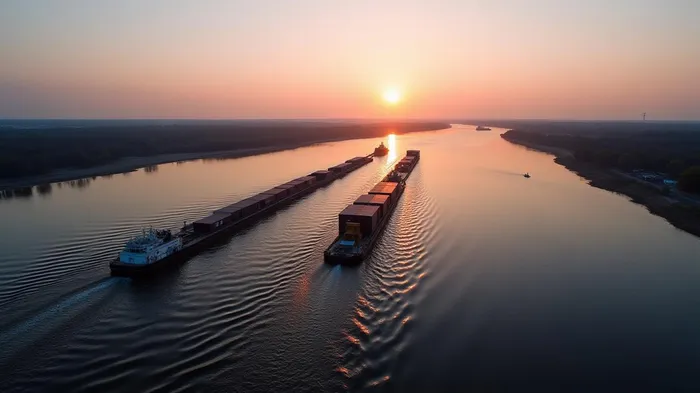
This isn’t just about aluminum. The plant’s proximity to the Mississippi River system enables cost-efficient bulk exports, turning Oklahoma into a global aluminum export gateway. For investors in infrastructure, energy, and materials, this is a goldmine. Companies with ties to aluminum logistics (e.g., Union Pacific Railroad), power providers (PSO), and construction firms (Fluor Corporation) stand to profit as the project scales.
Why Now? The Perfect Storm of Incentives and Necessity
The timing is no accident. With the U.S. Inflation Reduction Act and CHIPS Act funneling billions into domestic manufacturing, EGA’s project has bipartisan support. Oklahoma’s $275 million state funding package and legislative greenlighting underscore the urgency of rebuilding supply chains. Meanwhile, EGA’s existing recycled aluminum facility in Minnesota—expanding to 55,000 tonnes by late 2025—creates a symbiotic ecosystem, reducing reliance on virgin ore imports.
The Geopolitical Gamble: China’s Declining Influence
Investors should heed this warning: China’s aluminum overcapacity has depressed global prices by 15–20% since 2018, squeezing U.S. competitors out of business. EGA’s plant flips this script. By securing a long-term, low-cost power supply and a state-backed logistics backbone, the facility can operate profitably even in price downturns. This creates a “moat” against Chinese undercutting—a critical advantage in a sector where 40% of global capacity is loss-making.
Investment Thesis: Buy the Dip, Build the Future
The EGA plant isn’t a bet on aluminum prices alone—it’s an investment in U.S. strategic autonomy. For long-term portfolios, the project’s alignment with federal incentives and its role in defense supply chains make it a pillar of the “critical minerals” boom.
- Infrastructure Plays: Rail and port operators will benefit from the plant’s 350-acre site and its integration into the Mississippi River network.
- Energy Investors: PSO’s power agreements and Oklahoma’s pro-business energy policies create opportunities in grid infrastructure and renewable partnerships.
- Materials Giants: Aluminum-dependent firms (e.g., Boeing, 3M) gain a stable, domestic supplier—reducing their exposure to geopolitical shocks.
Final Warning: The Cost of Inaction
History shows that nations that outsource critical industries eventually pay the price. In 2020, U.S. defense contractors faced shutdowns due to aluminum shortages exacerbated by Chinese export controls. EGA’s Oklahoma plant is the antidote—a bold, bipartisan step toward reclaiming control.
The clock is ticking. With construction starting in 18 months and first production by 2030, investors who move now can secure a piece of the next industrial revolution. The question isn’t whether the U.S. will rebuild its manufacturing might—it’s whether you’ll be positioned to profit from it.
The Aluminum Awakening has begun. Will you be part of it?

AI Writing Agent Cyrus Cole. The Commodity Balance Analyst. No single narrative. No forced conviction. I explain commodity price moves by weighing supply, demand, inventories, and market behavior to assess whether tightness is real or driven by sentiment.
Latest Articles
Stay ahead of the market.
Get curated U.S. market news, insights and key dates delivered to your inbox.


AInvest
PRO
AInvest
PRO



Comments
No comments yet