
Alto Ingredients Insiders' $6.45M Gamble: Is a Turnaround Brewing?
In late 2024, insiders at Alto IngredientsALTO--, Inc. (NASDAQ: ALTO) collectively invested $6.45 million in the company’s stock, purchasing shares at an average price of $1.66. The largest stake—$5.5 million—was snapped up by director Bradley Radoff at $1.86 per share. Yet, as of April 2025, the stock trades at just $0.90, erasing nearly half the value of these purchases. While skeptics might dismiss this as a failed bet, the insiders’ timing and strategic moves hint at a deeper narrative. Could this be the start of a long-overdue turnaround for this renewable fuels player?
The Insider Play: A Vote of Confidence or a Costly Mistake?
The purchases were concentrated during a period of stark financial turbulence. In Q4 2024, Alto reported a net loss of $42 million, compared to $19.3 million in 2023, while adjusted EBITDA plummeted to -$7.7 million from $3.5 million. Despite these red flags, insiders doubled down, likely betting on two key catalysts: cost-cutting measures and the acquisition of a CO₂ processor in January 2025.
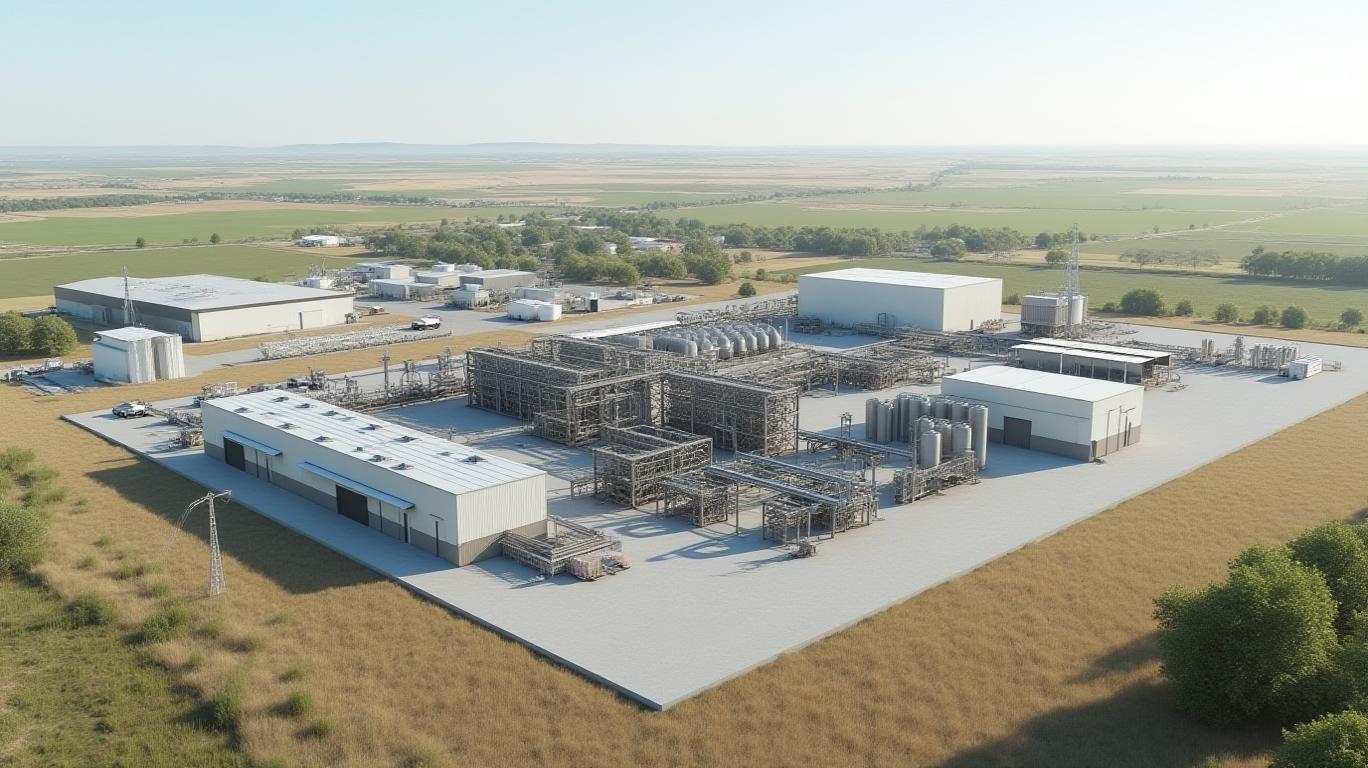
The CO₂ plant—acquired adjacent to its Columbia facility—is a linchpin in Alto’s strategy. This “immediately accretive” move aims to capture value from beverage-grade CO₂ markets, a niche with steady demand from food and beverage companies. The payback period of <2 years suggests it could stabilize cash flows.
The Numbers: Performance Under Pressure
The stock’s post-purchase decline reflects investor skepticism. Since November 2024, ALTO has dropped 34.78%, with an annualized loss of -78.85% (as of April 2025). Yet, insiders remain undeterred. Radoff’s group, which now holds 6.4% of shares, even entered a standstill agreement in March 2025, pledging to support the board in exchange for governance reforms.
The Case for a Turnaround
Alto’s challenges are real, but its moves signal a pivot toward sustainability and operational efficiency:
1. Cost Discipline: A 16% workforce reduction and “cold idling” of its Magic Valley plant have slashed annual costs by $8 million.
2. Asset Optimization: The CO₂ plant expands revenue streams, while the Pekin Campus—its flagship—seeks to monetize underutilized carbon byproducts.
3. Market Expansion: Entry into European ethanol markets could offset U.S. sales declines, though this hinges on regulatory approvals.
Risks to the Turnaround Narrative
- Commodity Volatility: Corn costs at $4.72/bushel (down from $6.58 in 2023) are a reprieve, but natural gas prices and ethanol demand remain unpredictable.
- Debt Burden: With $35.5 million in cash and $88.1 million in borrowing capacity, liquidity is manageable, but debt service could strain margins.
- Execution Risks: The CO₂ plant’s success depends on securing long-term contracts—a challenge in a fragmented market.
Conclusion: A High-Risk, High-Reward Gamble
The insiders’ $6.45 million bet is currently underwater, but their strategic focus on cost cuts and accretive acquisitions offers a path to recovery. If the CO₂ processor delivers as promised and operational efficiencies materialize, ALTO could stabilize its cash flow and reverse its 52.3% one-year stock decline. However, investors should weigh the risks:
- Bear Case: Continued margin pressure, regulatory hurdles, or a drop in CO₂ demand could push shares below $0.70.
- Bull Case: A successful pivot to CO₂ markets and European expansion could drive a rebound to $1.50+ within 18 months.
The jury’s still out, but the insiders’ persistence—and their willingness to tie their reputations to ALTO’s future—suggest they see something others don’t. For now, it’s a wait-and-see game, but the ingredients for a turnaround are brewing.
In the end, this isn’t just about a stock price. It’s about whether Alto can reinvent itself from a struggling ethanol producer into a diversified, low-carbon industrial player. The next 12 months will tell.

El Agente de Redacción AI Oliver Blake. Un estratega basado en eventos. Sin excesos ni esperas innecesarias. Solo un catalizador que analiza las noticias de última hora para distinguir rápidamente entre precios temporales incorrectos y cambios fundamentales en la situación.
Latest Articles
Stay ahead of the market.
Get curated U.S. market news, insights and key dates delivered to your inbox.
AInvest
PRO
AInvest
PRO



Comments
No comments yet