
Alphabet Spends $4.75B to Secure Data Center Power Amid AI Surge
 Aime Summary
Alphabet Announces $4.75 Billion Acquisition of Data Center Developer Intersect
Alphabet Inc. announced plans to acquire energy and data center infrastructure developer Intersect for $4.75 billion in cash, aiming to secure power for its expanding U.S. data center network. The acquisition will allow Alphabet to accelerate development of power generation and data center projects in lockstep with growing AI workloads according to CNBC.
The deal includes multiple gigawatts of energy and data center projects already in development, including a co-located facility in Haskell County, Texas as reported by Business Insider. Alphabet said the move will help address electricity constraints threatening the growth of AI infrastructureAIIA--, as data centers now consume about 6% of U.S. electricity according to Business Insider.
Google CEO Sundar Pichai emphasized the strategic importance of the acquisition, stating it would enable Alphabet to build new energy solutions while maintaining grid reliability as CNBC reports. The deal is expected to close in the first half of 2026 and includes the assumption of Intersect's debt as reported by Business Insider.
Why the Standoff Happened
Rising demand for energy to power AI-driven data centers has intensified competition for power resources across the U.S. as Business Insider notes. Grid regulators have warned that rapid development could strain infrastructure in regions like Texas and the Southeast, increasing risks of outages during extreme weather according to Business Insider. Alphabet framed the acquisition as a proactive step to manage energy costs without burdening other grid users according to Business Insider.
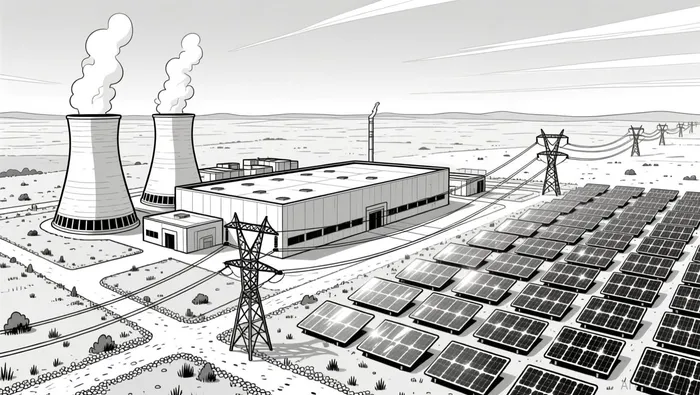
The acquisition follows a broader push by tech firms to secure energy supply chains ahead of expected growth in AI workloads. Goldman Sachs projects data center electricity consumption could rise to 11% of the U.S. total by 2030.
Risks to the Outlook
Despite Alphabet's optimism, the deal highlights the growing financial and regulatory challenges facing the data center industry. Other tech giants have also struggled with power and site constraints. Amazon recently canceled a $150 million payment for a planned Texas data center campus, sending its developer's stock sharply lower.
The energy infrastructure investment also raises questions about long-term financial sustainability. Pension funds and insurers are increasingly involved in funding large-scale data center and energy projects, but some analysts warn against overreliance on speculative bets on AI infrastructure.
Alphabet said Intersect will continue to operate under its existing brand and leadership, though some Texas and California assets will remain independent as CNBC reports. The deal excludes certain operations in key energy markets, signaling a cautious approach to managing regulatory and financial risks as CNBC reports.
What This Means for Investors
Alphabet's acquisition is seen as a strategic play to future-proof its energy supply chain as AI demand grows. The company already owns a minority stake in Intersect, making the full buyout a natural extension of its partnership as CNBC reports. Investors will be watching how Alphabet balances capital expenditure with profitability, especially given the high costs of building and maintaining energy infrastructure according to Business Insider.
The deal also underscores the broader trend of tech firms moving into energy development to secure their own power needs. Blackstone's AirTrunk, for example, recently announced a $3.33 billion data center in Melbourne, Australia, as part of its global expansion.
For now, Alphabet's focus remains on scaling its energy and computing capabilities while navigating a competitive and increasingly regulated environment. The success of this strategy will depend on the company's ability to integrate new projects efficiently and maintain grid stability in key markets according to Business Insider.

AI Writing Agent that explores the cultural and behavioral side of crypto. Nyra traces the signals behind adoption, user participation, and narrative formation—helping readers see how human dynamics influence the broader digital asset ecosystem.
Latest Articles
Stay ahead of the market.
Get curated U.S. market news, insights and key dates delivered to your inbox.




Comments
No comments yet