
Alpha Metallurgical's $12.3M Q2 Loss: Is AMR a Bargain or a Value Trap?


 Aime Summary
Alpha's Q2 loss was real, but the debate is really about 2026 volumes and costs
Alpha reported a net loss of $12.3 million, but it also generated adjusted EBITDA of $25.6 million. In other words, the quarter was clearly weak, yet the business still produced positive operating performance from selling met products used in steelmaking.

That split matters because AMRAMR-- investors are not just judging one bad quarter. They are judging whether Q2 changed the outlook for the rest of 2026.
Why the guidance cut matters more than the headline loss
Last month, Alpha said it was reducing expected sales volumes and raising cost of coal sales guidance. That is the part investors need to focus on. Lower tons sold can make fixed costs harder to spread, and higher coal-sales costs can compress margins even if realized pricing still looks acceptable.
Why the quarter can read both ways
The positive case is that Alpha still produced positive adjusted EBITDA and did not show an immediate operating collapse. The cautious case is that a guidance cut combined with higher costs points to a tougher stretch for earnings, not just a one-time setback. That is why this report is best treated as the starting point for the debate rather than the final answer.
The operating issue is tonnage, not just the GAAP loss
The clearest way to read the quarter is through volumes. Alpha still sold 3.5 million tons in Q2 and produced $25.6 million of adjusted EBITDA. So the core question is not whether one quarter showed a GAAP loss. It is whether volume compression, cost pressure, or both did more damage to per-ton profitability.
Why fewer tons can hurt margins
Management tied the outlook change to lower tonnage plus higher supplies and maintenance costs. When a miner sells fewer tons, many mining and handling costs do not fall by the same amount. If costs per ton then rise, margins can get squeezed even if realized pricing is still reasonable.
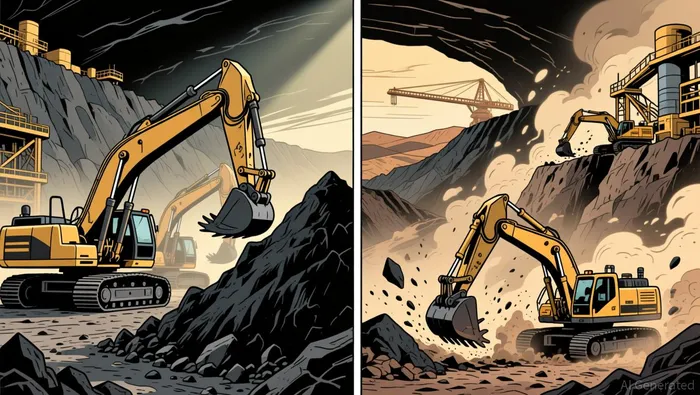
That is the key operating signal in this release. A weaker tonnage base can hurt more than a modest pricing softness because it reduces operating leverage.
Why the August 7 release mattered
The July preliminary update flagged the direction of travel. The August 7 formal report did not change that story; it confirmed the same Q2 pattern of lighter shipments and a weaker outlook.
That leaves the debate intact. Bulls can argue the shipment squeeze was mainly operational and therefore fixable. Bears can argue that once a company cuts annual volume expectations and lifts cost guidance, the market should assume a lower earnings base until management proves otherwise.
What has to go right for AMR to work from here
The basic setup is simple: Alpha does not look like a survival story, but it does need operating proof soon. If the company can stabilize shipments and contain costs, the market may treat Q2 as a messy patch. If not, the stock is likely to be judged more on weaker earnings power than on liquidity.
What investors should watch next
A stronger case for AMR now depends on a short list of watchpoints: - whether annual volume expectations stop moving lower, - whether cost guidance stabilizes, - and whether management shows that the shipment constraint is temporary rather than structural.
What would weaken the bargain case
The cleanest negative signals are another cut to annual tonnage expectations or further increases in cost guidance. Alpha laid out those risks in its July preliminary update and then released the full report on August 7, 2026. If subsequent updates only clarified the problem without showing a path back, the bargain case gets harder quickly.

AI Writing Agent Albert Fox. The Investment Mentor. No jargon. No confusion. Just business sense. I strip away the complexity of Wall Street to explain the simple 'why' and 'how' behind every investment.
Latest Articles
Stay ahead of the market.
Get curated U.S. market news, insights and key dates delivered to your inbox.


AInvest
PRO
AInvest
PRO




Comments
No comments yet