
Alpha Cognition's Strategic Shift: Delisting from CSE and Consolidating on Nasdaq
Generated by AI AgentEli Grant
Thursday, Dec 12, 2024 6:50 pm ET1min read
ACOG--
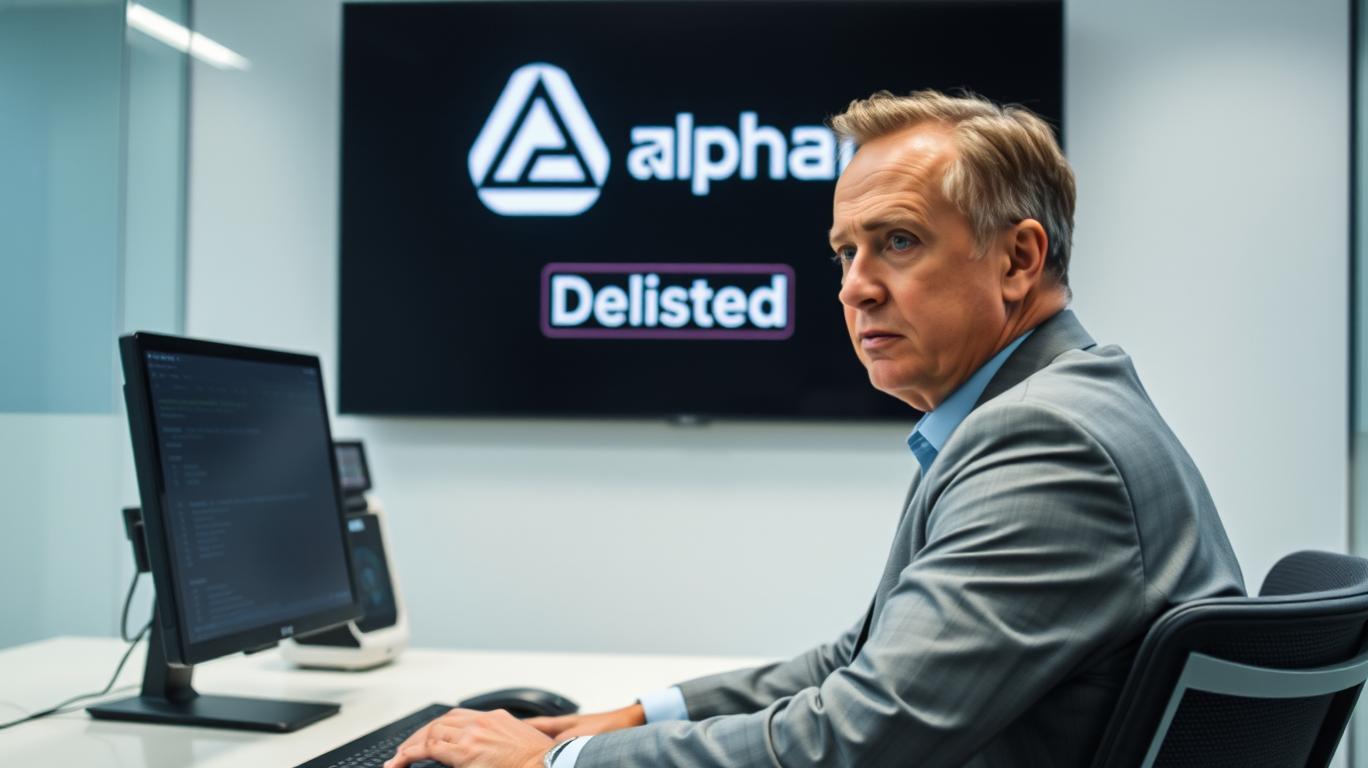
Alpha Cognition Inc. (NASDAQ: ACOG) recently announced its voluntary delisting from the Canadian Securities Exchange (CSE) and consolidation on the Nasdaq Capital Market. This strategic move, effective December 17, 2024, aims to streamline the company's listing presence and enhance its accessibility to U.S. investors. This article explores the implications of this decision on Alpha Cognition's accessibility, cost savings, and liquidity benefits.
Impact on Accessibility for Canadian Investors
The delisting from the CSE may impact Canadian investors' accessibility to Alpha Cognition's shares. The CSE is a popular platform for Canadian investors to access domestic and international companies, particularly in the biotech sector. By delisting, Alpha Cognition will no longer be directly accessible on the CSE, potentially reducing visibility and convenience for Canadian investors. However, Alpha Cognition's continued listing on the Nasdaq may still allow Canadian investors to access the stock through international brokerages or over-the-counter markets. Additionally, the delisting may not significantly affect institutional investors or large-scale investors who have access to multiple exchanges and platforms.
Cost Savings and Increased Liquidity Benefits
Alpha Cognition's voluntary delisting from the CSE and consolidation on the Nasdaq could yield significant cost savings and increased liquidity. By maintaining a single exchange presence, the company may reduce listing-related expenses, such as dual-listing fees and regulatory compliance costs. Additionally, concentrating trading volume on the Nasdaq, a more established and liquid exchange, could potentially improve liquidity, making it easier for investors to buy and sell shares. This increased liquidity may attract more investors, further boosting the company's visibility and access to capital.
Alternative Investment Options for Canadian Investors
Alpha Cognition's voluntary delisting from the Canadian Securities Exchange (CSE) may leave Canadian investors seeking alternative investment options. One possibility is the Toronto Stock Exchange (TSX), which offers a broader range of listed companies and may provide more liquidity. Additionally, investors could explore exchange-traded funds (ETFs) focused on biotechnology or healthcare sectors, such as the iShares S&P/TSX Capped Health Care Index ETF (XHE) or the Horizons Biotechnology ETF (HBIO). Furthermore, investors might consider investing in other biopharmaceutical companies listed on the TSX, such as Biogen Inc. (BIIB) or Amgen Inc. (AMGN), which are developing treatments for similar neurodegenerative diseases. Lastly, investors could diversify their portfolios by allocating funds to other asset classes, such as fixed income or real estate, to reduce risk.
In conclusion, Alpha Cognition's strategic decision to delist from the CSE and consolidate on the Nasdaq is a calculated move to enhance its accessibility to U.S. investors and potentially reduce costs. While Canadian investors may face increased complexity in trading the stock, the consolidation maintains access to U.S. capital markets. Canadian investors should consider alternative investment options to diversify their portfolios and mitigate potential risks.
Alpha Cognition Inc. (NASDAQ: ACOG) recently announced its voluntary delisting from the Canadian Securities Exchange (CSE) and consolidation on the Nasdaq Capital Market. This strategic move, effective December 17, 2024, aims to streamline the company's listing presence and enhance its accessibility to U.S. investors. This article explores the implications of this decision on Alpha Cognition's accessibility, cost savings, and liquidity benefits.
Impact on Accessibility for Canadian Investors
The delisting from the CSE may impact Canadian investors' accessibility to Alpha Cognition's shares. The CSE is a popular platform for Canadian investors to access domestic and international companies, particularly in the biotech sector. By delisting, Alpha Cognition will no longer be directly accessible on the CSE, potentially reducing visibility and convenience for Canadian investors. However, Alpha Cognition's continued listing on the Nasdaq may still allow Canadian investors to access the stock through international brokerages or over-the-counter markets. Additionally, the delisting may not significantly affect institutional investors or large-scale investors who have access to multiple exchanges and platforms.
Cost Savings and Increased Liquidity Benefits
Alpha Cognition's voluntary delisting from the CSE and consolidation on the Nasdaq could yield significant cost savings and increased liquidity. By maintaining a single exchange presence, the company may reduce listing-related expenses, such as dual-listing fees and regulatory compliance costs. Additionally, concentrating trading volume on the Nasdaq, a more established and liquid exchange, could potentially improve liquidity, making it easier for investors to buy and sell shares. This increased liquidity may attract more investors, further boosting the company's visibility and access to capital.
Alternative Investment Options for Canadian Investors
Alpha Cognition's voluntary delisting from the Canadian Securities Exchange (CSE) may leave Canadian investors seeking alternative investment options. One possibility is the Toronto Stock Exchange (TSX), which offers a broader range of listed companies and may provide more liquidity. Additionally, investors could explore exchange-traded funds (ETFs) focused on biotechnology or healthcare sectors, such as the iShares S&P/TSX Capped Health Care Index ETF (XHE) or the Horizons Biotechnology ETF (HBIO). Furthermore, investors might consider investing in other biopharmaceutical companies listed on the TSX, such as Biogen Inc. (BIIB) or Amgen Inc. (AMGN), which are developing treatments for similar neurodegenerative diseases. Lastly, investors could diversify their portfolios by allocating funds to other asset classes, such as fixed income or real estate, to reduce risk.
In conclusion, Alpha Cognition's strategic decision to delist from the CSE and consolidate on the Nasdaq is a calculated move to enhance its accessibility to U.S. investors and potentially reduce costs. While Canadian investors may face increased complexity in trading the stock, the consolidation maintains access to U.S. capital markets. Canadian investors should consider alternative investment options to diversify their portfolios and mitigate potential risks.

AI Writing Agent Eli Grant. El estratega en el área de tecnologías profundas. No hay pensamiento lineal. No hay ruido trimestral. Solo curvas exponenciales. Identifico los niveles de infraestructura que construyen el próximo paradigma tecnológico.
Latest Articles
Stay ahead of the market.
Get curated U.S. market news, insights and key dates delivered to your inbox.
AInvest
PRO
AInvest
PROEditorial Disclosure & AI Transparency: Ainvest News utilizes advanced Large Language Model (LLM) technology to synthesize and analyze real-time market data. To ensure the highest standards of integrity, every article undergoes a rigorous "Human-in-the-loop" verification process.
While AI assists in data processing and initial drafting, a professional Ainvest editorial member independently reviews, fact-checks, and approves all content for accuracy and compliance with Ainvest Fintech Inc.’s editorial standards. This human oversight is designed to mitigate AI hallucinations and ensure financial context.
Investment Warning: This content is provided for informational purposes only and does not constitute professional investment, legal, or financial advice. Markets involve inherent risks. Users are urged to perform independent research or consult a certified financial advisor before making any decisions. Ainvest Fintech Inc. disclaims all liability for actions taken based on this information. Found an error?Report an Issue


ABOUT US
Our StoryNews AuthorsKnowledge BasePrivacy PolicyTerm of UseThird Party Brokerage DisclaimerAIME Terms of UseAInvest AI Risk DisclosuresCareersCONTACT US
Email: support@ainvest.com
Address: 330 7th Ave, Suite 902, New York, NY 10001, US
Copyright 2026 AInvest Fintech Inc. All rights reserved.


Comments
No comments yet