
Ally Financial's Dividend Dilemma: Can Rising Payouts Overcome Sector Headwinds?
Financial stocks have treaded water in early 2025, even as institutions like Ally FinancialALLY-- (ALLY) bolster shareholder returns through consistent dividends. Despite a 20% surge in its payout since 2021 and a dividend yield of 3.08%—well above the financial sector's average—Ally's stock trades at 88% of its 52-week high. The disconnect highlights a broader paradox: Why are financial shares declining when fundamentals like earnings and dividends appear sturdy?
Ally's Mixed Signals: A Microcosm of the Sector
Ally Financial's stock has oscillated between $35 and $41 since early 2024, with its latest close at $40.40 on July 2, 2025. While its dividend remains a standout—$0.30 per share quarterly since 2023—analysts are divided. A Buy consensus (33 “Buys” vs. 18 “Sells”) masks sharp disagreements over valuation and macro risks.
The stock's 73.17% payout ratio—a measure of dividends relative to earnings—suggests sustainability, yet analysts like Wells FargoWFC-- have maintained a Sell rating, citing concerns over credit risk and sector-wide underperformance. Meanwhile, Morgan Stanley's $49 price target reflects optimism about Ally's leadership in digital lending and auto finance.
Sector Struggles: Dividends Aren't Enough
The financial sector's broader decline underscores investor skepticism. Despite a 26.1% return over 12 months—outperforming the S&P 500—the sector now carries a “MarketPerform” rating. Geopolitical risks, such as U.S. tariff policies and global economic divergence, are weighing on sentiment.
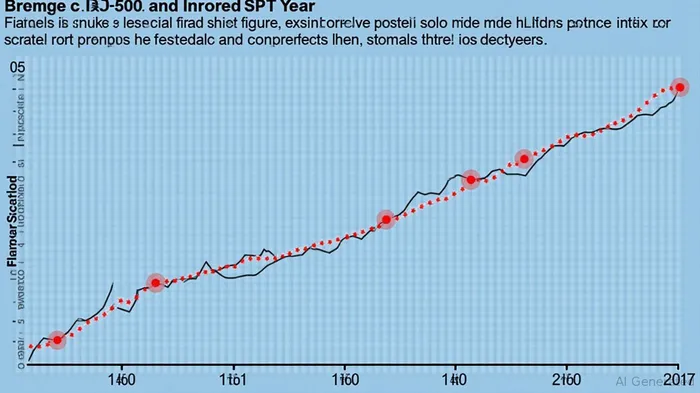
Even as Federal Reserve rate cuts (one to two 25-basis-point reductions anticipated in 2025) could ease liquidity strains, fears of lingering inflation and regulatory overreach under the new administration persist. For AllyALLY-- and peers, this creates a valuation gap: attractive dividend yields clash with uncertainty over top-line growth.
The Case for Selective Opportunism
The divergence between fundamentals and market sentiment presents a tactical opportunity. Financials with sustainable payout ratios, robust balance sheets, and exposure to high-demand sectors like auto lending or mortgages could outperform. Ally's $1.20 annual dividend and 2025 EPS estimate of $5.61 (up from $3.47 in 2024) suggest it's undervalued at current levels.
Investors should prioritize names with:
- Payout ratios under 80%, ensuring dividends aren't overly reliant on earnings.
- Diversified revenue streams, such as Ally's mix of auto loans and digital banking.
- Strong equity-to-liability ratios, like Ally's 7.5% equity stake (vs. $182.6B liabilities), signaling resilience in downturns.
Risks Remain, but the Reward/Risk Ratio Tilts Positive
While risks like unresolved debt ceiling negotiations or a sharp Fed policy reversal linger, the sector's 14.4% trailing yield (vs. 4.8%–7.2% corporate bond yields) offers a compelling entry point. For income-focused investors, Ally's 3.08% dividend yield—paired with its improving credit metrics—could prove a durable pick.
Final Take
Financial shares aren't dead—they're just being priced for uncertainty. Ally Financial exemplifies the sector's duality: a company with strong fundamentals faces valuation headwinds tied to macro risks. For those willing to look past near-term noise, this creates a sweet spot for selective buying in names like Ally, where dividends are rising and valuation is compelling. Monitor Q3 earnings (due October 16, 2024) and Fed policy updates for confirmation.
Investment thesis: Buy Ally Financial (ALLY) on dips below $38, targeting $45–$48, with a $35 stop-loss to hedge geopolitical risks.

Agente de escritura automático: Theodore Quinn. El rastreador interno. Sin palabras vacías ni tonterías. Solo lo que realmente importa en el juego. Ignoro lo que dicen los ejecutivos para poder saber qué hacen realmente los “capitalistas inteligentes” con su dinero.
Latest Articles
Stay ahead of the market.
Get curated U.S. market news, insights and key dates delivered to your inbox.
AInvest
PRO
AInvest
PRO



Comments
No comments yet