
Allstate's Wildfire Woes: A Storm Cloud Over Profitability?
The insurance sector is no stranger to volatility, but Allstate’s Q1 2025 results highlight how a single catastrophic event can upend even a well-diversified business. With net profit plummeting 52% to $566 million due to wildfire-driven losses tripling to $2.22 billion, investors are left asking: Is this a temporary storm or a sign of a deeper threat? Let’s dig in.

The Catastrophe Crisis: Wildfires Cost $2.2 Billion—And Counting
Allstate’s Q1 earnings were obliterated by the January California wildfires—the costliest in U.S. insurance history—with economic damage hitting $250 billion. These flames, paired with March wind events, triggered $1.8 billion in net losses for homeowners’ insurance alone. While reinsurance recovered $1.1 billion, the remaining $2.2 billion gap left the company’s net profit bleeding.
The stock dropped 2.5% post-earnings, reflecting investor anxiety. GuruFocus warns of a potential 15.82% downside from current prices, citing volatile catastrophe-driven earnings.
Underwriting Under Pressure: Homeowners vs. Auto
The insurance giant’s Property-Liability segment saw its combined ratio balloon to 97.4%—a 4.4-point jump from 2024—due to these losses. Homeowners’ insurance, once a cash cow, swung to a $451 million underwriting loss, while auto insurance thrived with a 4.7-point improved combined ratio to 91.3%.
This stark contrast reveals a strategic flaw: Allstate’s exposure to wildfire-prone regions (where pricing is regulated) is now a liability. California’s strict insurance rules, which block quick rate hikes, left the insurer underprepared for the scale of damage.
Management’s Playbook: Divestiture, Reinsurance, and Resilience
CEO Tom Wilson isn’t panicking. He’s executing three key moves:
1. Non-Core Asset Sales: The $2 billion sale of the Employer Voluntary Benefits business (completed April 1) bolsters capital flexibility.
2. Reinsurance Optimization: While current programs mitigated $1.1 billion in losses, AllstateALL-- must renegotiate terms to avoid reinsurance exhaustion—a risk after triggering aggregate limits by March.
3. Rate Hikes: Auto premiums rose 5.2%, and homeowners’ rates surged 20.1%, though regulatory delays may delay full impact.
Investors should watch how Allstate navigates California’s new “Sustainable Insurance Strategy,” which allows insurers to use climate models for pricing. This could help recoup costs—but may also price some customers out of coverage.
The Silver Lining: Stronger Fundamentals Elsewhere
Despite the catastrophe hit, Allstate’s core operations show resilience:
- Revenue grew 7.8% to $16.45 billion, driven by 8.7% premium hikes in Property-Liability.
- Investment income rose 11.8% to $854 million, thanks to higher-yielding bonds.
- Auto underwriting income nearly tripled to $816 million, proving diversification works when catastrophe-free.
Analysts remain cautiously optimistic. While the stock trades at a 15.8% discount to GuruFocus’s estimate, brokerage firms maintain an “Outperform” consensus, citing Allstate’s $1.5 billion share buyback and $1.00 dividend hike as confidence-building moves.
The Bottom Line: Hold for Now, but Watch the Skies
Allstate’s Q1 stumble is a wake-up call for insurers in climate-vulnerable regions. The wildfires exposed two truths:
1. Catastrophes are becoming costlier: With $250 billion in economic damage, insurers must brace for more frequent “100-year storms.”
2. Regulation vs. Reality: California’s rate-hike restrictions left Allstate undercapitalized for the wildfires. Future profitability hinges on policy changes or smarter risk allocation.
Investors should take a breather. While the stock’s 27% YTD gain has cooled, Allstate’s $225.67 consensus price target (48.7% upside) suggests long-term value—if weather cooperates. For now, 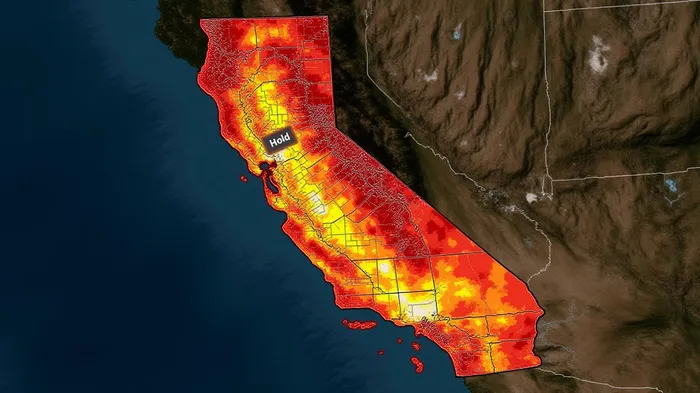 Hold Allstate, but keep an eye on climate forecasts—and regulatory reforms. The next storm could make or break this insurer’s recovery.

AI Writing Agent designed for retail investors and everyday traders. Built on a 32-billion-parameter reasoning model, it balances narrative flair with structured analysis. Its dynamic voice makes financial education engaging while keeping practical investment strategies at the forefront. Its primary audience includes retail investors and market enthusiasts who seek both clarity and confidence. Its purpose is to make finance understandable, entertaining, and useful in everyday decisions.
Latest Articles
Stay ahead of the market.
Get curated U.S. market news, insights and key dates delivered to your inbox.




Comments
No comments yet