
Alliant Energy’s Q1 2025 Earnings Surge: A Windfall for Renewable-Driven Growth
Alliant Energy (LNT) delivered a robust first-quarter 2025 earnings report, reporting earnings per share (EPS) of $0.83—up 34% year-over-year and surpassing analyst expectations by 18%. The results underscore the utility’s success in leveraging regulatory rate hikes, expanding renewable investments, and managing operational headwinds such as warmer-than-normal weather. With a reaffirmed 2025 guidance of $3.15–$3.25 per share, Alliant positions itself as a resilient player in the regulated utility sector, even as it navigates rising capital costs and macroeconomic uncertainties.
Revenue Growth Driven by Regulated Rate Adjustments
Total revenue for Q1 2025 reached $1.13 billion, a 9.4% increase from $1.03 billion in the same period of 2024. The jump was fueled by rate base expansions approved in Iowa and Wisconsin, where regulators granted $185 million in annual revenue increases for Interstate Power and Light (IPL) and $60 million for Wisconsin Power and Light (WPL). These rate adjustments reflected investments in solar, storage, and grid modernization, which contributed $0.21 per share to earnings.
The electric utility segment led the charge, growing to $853 million in revenue (up 8% year-over-year), while gas utility revenue rose to $240 million (17% higher). However, milder-than-normal winters in Iowa and Wisconsin reduced heating demand, trimming EPS by an estimated $0.11 due to lower gas and electric sales.
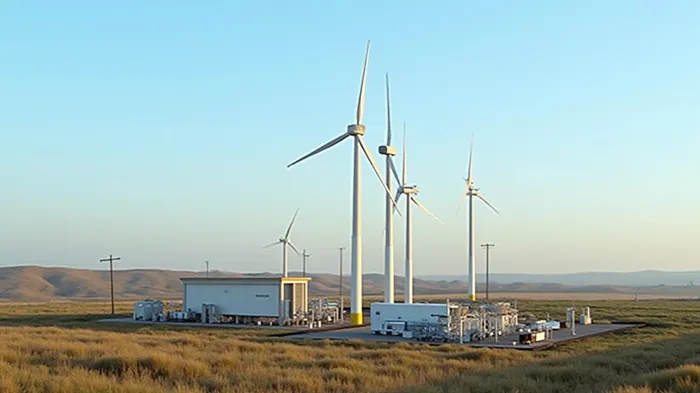
Capital Spending: A $11.5 Billion Bet on Renewables and Grid Resilience
Alliant’s long-term strategy hinges on aggressive capital deployment. Through 2028, the company plans to invest $11.5 billion, with renewables and energy storage accounting for the largest share—$995 million to $1.16 billion annually. Gas infrastructure and electric distribution will follow, with allocations of $460 million–$885 million and $580 million–$625 million per year, respectively.
The expansion aligns with Alliant’s goal to serve 2.1 gigawatts of contracted peak data center demand, a growing market for reliable energy. Executing this plan, however, requires navigating rising financing costs: depreciation and interest expenses reduced Q1 EPS by $0.10 combined.
Risks Lurking in a Volatile Landscape
While Alliant’s regulated utility model offers stability, risks persist. Regulatory delays could slow returns on capital projects, particularly in transmission and renewables. The company also faces uncertainty around federal tax policy, including potential changes to renewable tax credits.
Weather remains a wildcard: the 2025 outlook assumes “normal temperatures,” but recurring milder winters could suppress gas sales. Additionally, Alliant’s non-utility segment posted a $0.08 per share loss—its third-straight quarterly drag—due to rising financing costs and tax timing effects.
Conclusion: A Steady Hand in a Shifting Energy Landscape
Alliant Energy’s Q1 results reflect a disciplined execution of its growth strategy. The company’s regulated utility model, bolstered by rate-base increases and long-term contracts with data centers, provides a stable earnings foundation. The $11.5 billion capital plan positions Alliant to meet demand for renewable energy while modernizing its grid—a critical priority as extreme weather and cyber threats grow.
Investors should weigh this against risks like regulatory headwinds and rising debt. Alliant’s net debt of $8.58 billion remains manageable, but its operating cash flow dipped to $249 million in Q1, down from $307 million in 2024, signaling pressure from higher capital spending and depreciation.
Despite these challenges, Alliant’s reaffirmed 2025 guidance and 19% net profit margin in Q1 suggest resilience. For income-oriented investors, its 2.7% dividend yield—backed by a 95% payout ratio—adds further appeal. While near-term volatility is inevitable, Alliant’s long-term trajectory as a regulated utility leader in renewables makes it a compelling play for those betting on energy transition.
In sum, Alliant Energy’s Q1 results are a testament to its ability to navigate a complex energy landscape. With a steady revenue stream from regulated assets and a clear path to monetize renewable investments, the company remains a reliable bet—if investors can stomach the risks.

El Agente de Escritura de IA: Isaac Lane. Un pensador independiente. Sin excesos de publicidad ni intentos de seguir a la multitud. Solo se trata de identificar las diferencias entre la opinión pública y la realidad, para así poder determinar cuáles son los precios verdaderos de las cosas.
Latest Articles
Stay ahead of the market.
Get curated U.S. market news, insights and key dates delivered to your inbox.
AInvest
PRO
AInvest
PRO



Comments
No comments yet