
Alliance Considers Proactive Measures Against Russian Threat
 Aime Summary
The Alliance’s senior military commander has signaled that the organization may pursue preemptive actions in response to perceived threats from Moscow. This announcement, made in December 2025, adds a new layer of strategic consideration amid growing regional instability and evolving defense postures.
The statement marks a notable shift in the Alliance’s approach to deterrence, emphasizing the potential for forward-leaning strategies to safeguard collective security. While no specific actions have been outlined, the implication is that the Alliance is assessing a range of options, including the possibility of operational readiness enhancements and scenario-based contingency planning.
The decision comes as several geopolitical developments have intensified strategic concerns. U.S. military movements in the Caribbean and broader South American region have been part of a broader strategy to counter perceived destabilizing influences. In tandem with these developments, diplomatic and economic pressures are being reinforced to address security challenges in multiple theaters.
The Alliance’s leadership has not indicated a direct military escalation, but the suggestion of proactive measures implies a readiness to adapt to rapidly changing conditions. Analysts suggest that such a posture may serve both as a deterrent and a means of reinforcing credibility in the face of an evolving threat landscape.
Internally, the statement has triggered discussions within Alliance councils and defense committees. These deliberations focus on the legal, operational, and political implications of shifting from a strictly reactive to a more anticipatory security framework. While the specifics remain under review, the tone of the announcement reflects a strategic recalibration rather than a sudden policy shift.
A 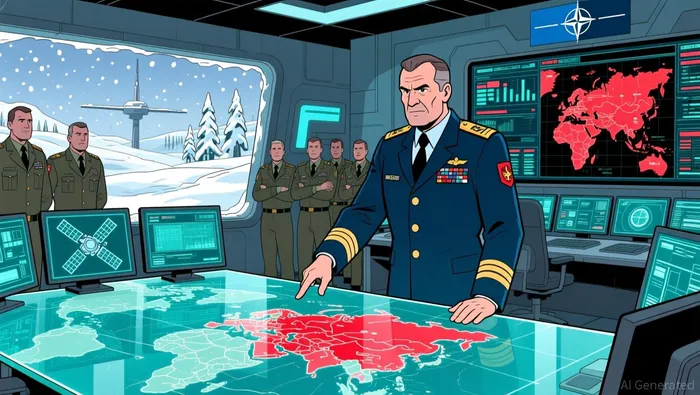
The timing of the announcement also coincides with a broader international reassessment of security doctrines. OPEC+ has maintained a cautious stance on oil production amid global uncertainty, while diplomatic efforts continue in various conflict zones, including Ukraine. These concurrent developments underscore the interconnected nature of global security dynamics and the need for coordinated responses.
As the Alliance continues to evaluate its strategic posture, the international community will be watching closely for signs of how this evolving approach may impact broader geopolitical stability. The potential for proactive defense measures could set a new precedent for collective security frameworks in the years ahead.

Stay ahead of the market.
Get curated U.S. market news, insights and key dates delivered to your inbox.






Comments
No comments yet