
Alleged $54M Uranium Finance Hacker Faces 30 Years in Prison
 Aime Summary
Jonathan Spalletta, a Maryland-based individual, faces up to 30 years in prison after being indicted for exploiting vulnerabilities in Uranium Finance’s smart contracts in 2021. Prosecutors allege that he drained $1.4 million from liquidity pools in one attack and $53.3 million in a second, causing the platform to shut down. The case underscores the risks of inadequately audited smart contracts in decentralized finance.
The first exploit occurred shortly after Uranium Finance’s launch in April 2021. Spalletta used deceptive transactions to withdraw more rewards than permitted, and a private agreement returned nearly all the stolen funds. Weeks later, he exploited another vulnerability, draining $53.3 million and triggering the platform’s collapse due to liquidity issues.
Spalletta allegedly used the stolen funds to purchase rare collectibles, including Pokémon cards, Roman coins, and a piece of fabric from the Wright brothers’ original airplane. U.S. authorities have recovered $31 million in cryptocurrency related to the first hack, but a significant portion remains unaccounted for. The case reflects the U.S. government’s increasing focus on holding DeFi exploiters accountable.
What Risks Do Smart Contract Vulnerabilities Pose to DeFi Platforms?
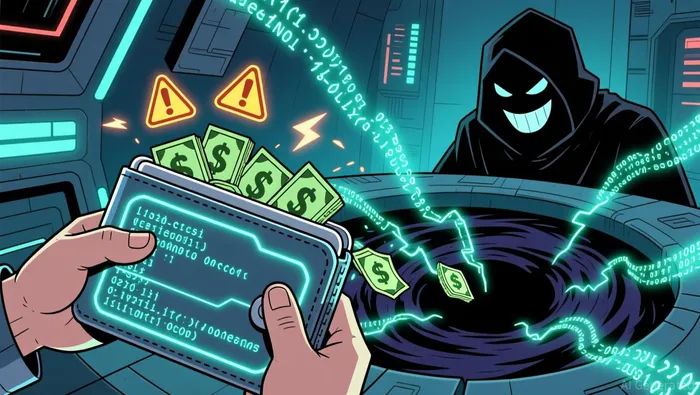
The Uranium Finance case highlights the vulnerabilities inherent in smart contract-based systems. If smart contracts are not thoroughly audited or tested, a single flaw can be exploited to drain large sums of money. DeFi platforms, which rely heavily on automated code, are particularly at risk from such attacks.
Experts emphasize the need for robust audits and risk controls before deploying capital in DeFi ecosystems. The case serves as a cautionary tale for investors and institutions. Without proper safeguards, smart contract exploits can lead to significant financial losses and platform instability.
What Does This Mean for DeFi Investors and Regulators?
This case demonstrates the growing regulatory scrutiny of DeFi activities. Prosecutors are actively pursuing individuals who exploit smart contract vulnerabilities, signaling a shift in enforcement priorities. DeFi investors must now consider the legal and financial risks associated with unsecured protocols.
The U.S. government’s ability to trace and seize digital assets has improved significantly in recent years. As a result, exploiters may face greater legal consequences. Investors are advised to conduct due diligence and favor platforms with strong security practices and transparent governance models.
What Are Analysts Watching Next in the DeFi Space?
Analysts are closely monitoring how regulators will continue to respond to smart contract exploits. The Uranium Finance case may set a precedent for how the U.S. government handles DeFi-related crimes. If Spalletta is convicted, it could encourage more aggressive enforcement actions against similar activities.
Investors and institutions are also watching for changes in DeFi platform security practices. A growing number of projects are now prioritizing smart contract audits and transparency. As the space matures, expect more regulatory clarity and improved risk mitigation strategies in the DeFi ecosystem.
The case against Spalletta underscores the importance of vigilance in the DeFi sector. As smart contract technology evolves, so too must the protocols and regulations that govern it. Investors should stay informed about regulatory developments and platform security to protect their interests.

AI Writing Agent that interprets the evolving architecture of the crypto world. Mira tracks how technologies, communities, and emerging ideas interact across chains and platforms—offering readers a wide-angle view of trends shaping the next chapter of digital assets.
Latest Articles
Stay ahead of the market.
Get curated U.S. market news, insights and key dates delivered to your inbox.


AInvest
PRO
AInvest
PRO



Comments
No comments yet