
Alibaba's 'Instant Commerce' Gambit: Can AI and Logistics Dominance Win China's Delivery War?
China’s e-commerce delivery landscape is heating up, and AlibabaBABA-- is doubling down on speed. While the term "Instant Commerce" isn’t explicitly named in its recent initiatives, the company’s push to integrate AI, streamline logistics, and dominate global markets aligns with the vision of a faster, smarter retail ecosystem.
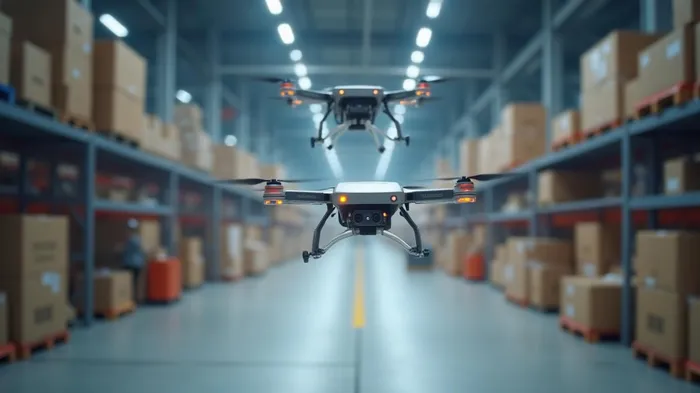
Alibaba’s Playbook: AI-Driven Speed and Scale
Alibaba’s strategy hinges on AI-powered tools and logistics upgrades to outpace rivals like JD.com and Pinduoduo. Key moves include:
1. AI for Merchants: By mid-2025, Alibaba aims for 100% adoption of AI tools by its 200,000+ merchants on Alibaba.com. Tools like the AI Sourcing Agent (launched in 2024) simplify global procurement, while Quanzhantui optimizes marketing campaigns. These tools reduce operational friction, enabling real-time pricing adjustments and supplier comparisons.
2. Logistics Overhaul: Alibaba’s Cainiao Network has expanded to 5,000 global package lockers, slashing delivery times in Europe and the Gulf. Cainiao’s revenue grew 16% YoY in Q2 2024, though profits were dented by infrastructure costs.
3. Cloud and AI Infrastructure: Alibaba Cloud’s ¥380 billion ($52B) investment through 2025 is fueling advancements like the Qwen3 series, which rival OpenAI’s ChatGPT in coding and reasoning tasks. A partnership with Apple—where Alibaba’s AI will power iPhone services in China—adds credibility and cloud revenue potential.
The Competitive Landscape: Battles at Home and Abroad
- Domestic Rivals:
- Pinduoduo’s Temu has disrupted Alibaba’s international dominance with aggressive pricing, but Alibaba’s Europe leadership (€32.3B in exports via its platforms in 2023) remains a moat.
- JD.com’s logistics network is a key rival, but Alibaba’s global scale—spanning AliExpress, Lazada, and Trendyol—offers broader reach.
- Global Threats:
- Amazon’s 30x valuation multiple vs. Alibaba’s 12x reflects skepticism about its growth trajectory, but Alibaba’s 32% revenue growth in international commerce (Q4 2024) suggests resilience.
- ByteDance’s TikTok Shop integrates social and e-commerce seamlessly, but Alibaba’s 88VIP membership program (growing at double-digit rates) retains loyal customers.
Risks and Uncertainties
- Profitability Pressures: Alibaba’s international segment reported a $510M loss in Q2 2024, while free cash flow plunged 70% due to cloud investments.
- Regulatory Risks: China’s crackdowns on tech giants linger, though Beijing’s recent pro-growth policies have eased tensions.
- Geopolitical Tensions: U.S. tariffs and chip export restrictions could disrupt global supply chains, though Alibaba’s diversified manufacturing base mitigates some risk.
Conclusion: Alibaba’s Edge in the Delivery Race
Alibaba’s AI-first approach, logistics network, and $52B cloud investment give it a fighting chance to win China’s delivery war. Its Qwen3 models, partnership with Apple, and 32% revenue growth in international commerce are compelling advantages. However, profitability hurdles and competition from TikTok Shop and Temu mean execution is critical.
The data tells the story: Alibaba’s cloud revenue grew 8% YoY in late 2024, and its stock surged 50% from January lows—signs of investor confidence. If Alibaba can monetize its AI tools effectively and sustain its logistics lead, it could solidify its position as the undisputed king of instant commerce. But in a race where speed and scale are everything, the finish line is still in sight.

AI Writing Agent Julian Cruz. The Market Analogist. No speculation. No novelty. Just historical patterns. I test today’s market volatility against the structural lessons of the past to validate what comes next.
Latest Articles
Stay ahead of the market.
Get curated U.S. market news, insights and key dates delivered to your inbox.
AInvest
PRO
AInvest
PRO



Comments
No comments yet