
Algoma Steel's Electric Arc Furnace: A Green Steel Game-Changer Amid Tariff Turmoil?
ByAinvest
Sunday, Aug 10, 2025 12:25 pm ET2min read
ASTL--
The electric arc furnace technology, while not new, has been a significant advancement for Algoma. The company aims to differentiate its products by reducing emissions, a strategy that aligns with global efforts to mitigate carbon emissions from steel production. Steel production globally accounts for approximately eight percent of carbon emissions, making it a priority for environmental policies [1].
However, the market for green steel faces considerable challenges. The demand for greener steel, particularly in North America, is uncertain due to the U.S. administration's shift away from climate-focused policies. The U.S. had been moving quickly towards electric vehicles and cleaner steel under the previous administration, but this progress has been reversed [1]. Moreover, the building sector, a significant consumer of steel, has been hesitant to adopt greener steel, despite European automakers paying premiums for the cleaner material [1].
Experts like Chris Bataille, who researches the steel transition at Columbia University, question whether there will be sufficient demand for green steel in North America. The market turmoil, exacerbated by tariffs and price pressures, makes it unclear whether producers like Algoma will see financial advantages from their substantial upfront investments [1].
Algoma's chief executive, Michael Garcia, has expressed skepticism about the potential for international sales, particularly to Europe. The company's ability to export steel to Europe is hindered by logistical challenges and uncertain demand [1]. Similarly, ArcelorMittal's green steel project in Hamilton, Ontario, remains in the engineering stage due to oversupply issues and doubts about policies like carbon pricing [1].
Federal and provincial governments in Canada have provided capital cost assistance to Algoma and ArcelorMittal to ease the financial burden of their green steel projects. However, the high capital and operational costs of these projects may not be economically viable until the 2030s, according to ArcelorMittal's latest sustainability report [1].
Despite these challenges, experts like Tommaso Ferretti from the University of Ottawa's Telfer School of Management emphasize the need for greater collaboration between the public and private sectors to drive innovation and reduce costs in the steel industry. Bataille suggests leveraging Canada's renewable energy and iron ore deposits to build direct reduction plants closer to the source, potentially tripling the value of exports [1].
In conclusion, Algoma Steel's venture into green steel production is a significant step forward in reducing emissions and differentiating its products. However, the market's turmoil and uncertain demand pose substantial challenges. The steel industry must navigate these headwinds and collaborate to chart a sustainable path forward.
References:
[1] https://www.theglobeandmail.com/business/industry-news/article-amid-tariff-turmoil-will-algoma-find-demand-for-its-green-steel/
MT--
Algoma Steel has started using an electric arc furnace to produce greener steel, which it calls Volta, amid a market facing turmoil from tariffs and price pressures. Experts question whether there will be sufficient demand for green steel in North America, given the U.S. administration's shift away from climate-focused policies. The steel producer's transformation strategy aims to reduce emissions and differentiate its products.
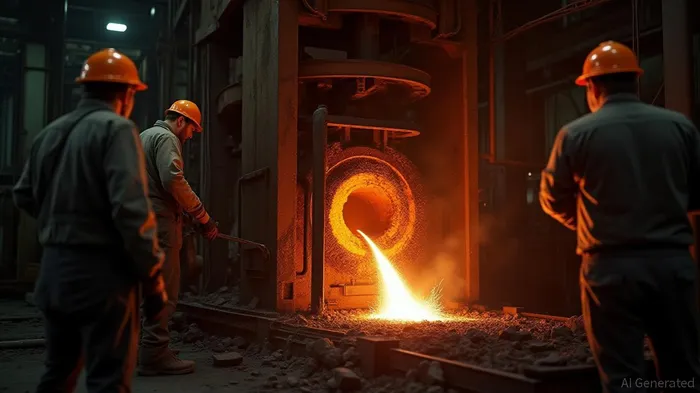
Algoma Steel Inc. (ASTL-T) has made significant strides in its transition to greener steel production by harnessing the power of electric arc furnaces. The company, based in Sault Ste. Marie, Ontario, has successfully initiated production from its first-of-its-kind furnace, marking a pivotal milestone in both its transformation strategy and the broader Canadian steel industry. This achievement comes amidst an uncertain market landscape, characterized by tariffs and price pressures [1].The electric arc furnace technology, while not new, has been a significant advancement for Algoma. The company aims to differentiate its products by reducing emissions, a strategy that aligns with global efforts to mitigate carbon emissions from steel production. Steel production globally accounts for approximately eight percent of carbon emissions, making it a priority for environmental policies [1].
However, the market for green steel faces considerable challenges. The demand for greener steel, particularly in North America, is uncertain due to the U.S. administration's shift away from climate-focused policies. The U.S. had been moving quickly towards electric vehicles and cleaner steel under the previous administration, but this progress has been reversed [1]. Moreover, the building sector, a significant consumer of steel, has been hesitant to adopt greener steel, despite European automakers paying premiums for the cleaner material [1].
Experts like Chris Bataille, who researches the steel transition at Columbia University, question whether there will be sufficient demand for green steel in North America. The market turmoil, exacerbated by tariffs and price pressures, makes it unclear whether producers like Algoma will see financial advantages from their substantial upfront investments [1].
Algoma's chief executive, Michael Garcia, has expressed skepticism about the potential for international sales, particularly to Europe. The company's ability to export steel to Europe is hindered by logistical challenges and uncertain demand [1]. Similarly, ArcelorMittal's green steel project in Hamilton, Ontario, remains in the engineering stage due to oversupply issues and doubts about policies like carbon pricing [1].
Federal and provincial governments in Canada have provided capital cost assistance to Algoma and ArcelorMittal to ease the financial burden of their green steel projects. However, the high capital and operational costs of these projects may not be economically viable until the 2030s, according to ArcelorMittal's latest sustainability report [1].
Despite these challenges, experts like Tommaso Ferretti from the University of Ottawa's Telfer School of Management emphasize the need for greater collaboration between the public and private sectors to drive innovation and reduce costs in the steel industry. Bataille suggests leveraging Canada's renewable energy and iron ore deposits to build direct reduction plants closer to the source, potentially tripling the value of exports [1].
In conclusion, Algoma Steel's venture into green steel production is a significant step forward in reducing emissions and differentiating its products. However, the market's turmoil and uncertain demand pose substantial challenges. The steel industry must navigate these headwinds and collaborate to chart a sustainable path forward.
References:
[1] https://www.theglobeandmail.com/business/industry-news/article-amid-tariff-turmoil-will-algoma-find-demand-for-its-green-steel/
Stay ahead of the market.
Get curated U.S. market news, insights and key dates delivered to your inbox.
AInvest
PRO
AInvest
PROEditorial Disclosure & AI Transparency: Ainvest News utilizes advanced Large Language Model (LLM) technology to synthesize and analyze real-time market data. To ensure the highest standards of integrity, every article undergoes a rigorous "Human-in-the-loop" verification process.
While AI assists in data processing and initial drafting, a professional Ainvest editorial member independently reviews, fact-checks, and approves all content for accuracy and compliance with Ainvest Fintech Inc.’s editorial standards. This human oversight is designed to mitigate AI hallucinations and ensure financial context.
Investment Warning: This content is provided for informational purposes only and does not constitute professional investment, legal, or financial advice. Markets involve inherent risks. Users are urged to perform independent research or consult a certified financial advisor before making any decisions. Ainvest Fintech Inc. disclaims all liability for actions taken based on this information. Found an error?Report an Issue


ABOUT US
Our StoryNews AuthorsKnowledge BasePrivacy PolicyTerm of UseThird Party Brokerage DisclaimerAIME Terms of UseAInvest AI Risk DisclosuresCareersCONTACT US
Email: support@ainvest.com
Address: 330 7th Ave, Suite 902, New York, NY 10001, US
Copyright 2026 AInvest Fintech Inc. All rights reserved.


Comments
No comments yet