
Algeria's Grain Imports Intensify Amid Domestic Supply Pressures
 Aime Summary
- Algeria's state grain agency OAIC has issued an international tender to buy wheat, indicating ongoing import needs.
- The Algerian animal feed market is in crisis, marked by high prices and poor distribution despite regulatory efforts.
- Wheat tender activity suggests structured procurement plans, but may signal deeper supply chain challenges.
Algeria’s grain import activity is gaining investor attention as the North African nation continues to source wheat through international tenders to meet domestic demand. The country's state grain agency, Office Algérien des Céréales (OAIC), has repeatedly called for bids in recent weeks, underscoring its need to secure supplies in a volatile global agricultural market. These actions are not just routine procurement efforts but reflect broader supply challenges and the delicate balance the government must maintain between food security and economic stability.
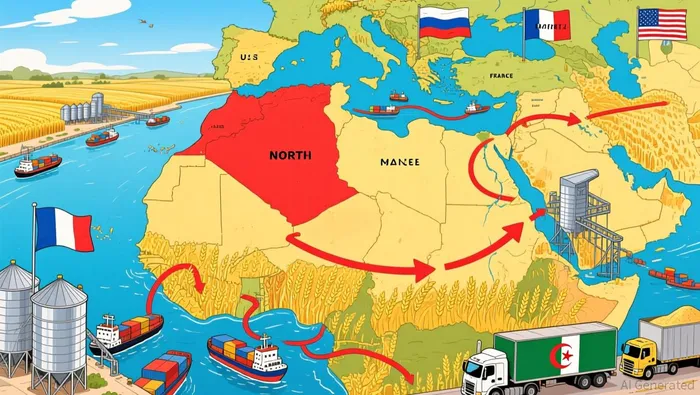
What sets these developments apart is the timing. With the global wheat market facing structural shifts — including shifting production dynamics in the U.S. and emerging markets — Algeria is one of several large importers navigating rising costs and logistical bottlenecks. In 2025, the country's import demand was already on the rise, and early 2026 looks no different. For investors, this is more than a regional story; it's a window into how major grain importers like Algeria are responding to global commodity volatility.
What Does Algeria's Wheat Tender Activity Reveal About Supply Challenges?
Algeria has long relied on wheat imports to meet the needs of its domestic market, which includes both food and animal feed sectors. The most recent OAIC tender, issued with a firm deadline for bids, was reported by European traders to seek a "nominal volume" of wheat. While the term "nominal" might suggest a routine procurement, the fact that the tender was issued at all is telling. In a world where wheat markets are increasingly influenced by geopolitical tensions, trade restrictions, and climate disruptions, Algeria is proactively securing its supply chain — a move that can have broader market implications.
The animal feed market in particular is under pressure. Corn, a vital ingredient in feed production, is experiencing poor distribution and high prices, even as the Ministry of Agriculture tries to regulate supply flows. This adds a layer of complexity to Algeria’s import strategy, as the country must not only secure enough wheat for human consumption but also ensure that the livestock and agriculture sectors remain viable. The dual demand for both food and feed-grade grains means that any disruptions in supply can ripple through multiple economic sectors.
What Should Investors Watch For in Algeria’s Grain Import Strategy?
For investors, the key takeaway is that Algeria’s wheat tender activity is not just a seasonal event. It is part of a broader pattern of supply-side challenges that could affect global grain prices and trade flows. The OAIC’s procurement plans are often seen as a barometer for regional demand, and in recent months, tenders have shown signs of increased urgency.
One of the most pressing questions is whether Algeria’s import strategy will remain stable in 2026, or if it will be forced to adjust due to external pressures. For example, if global wheat prices continue to rise due to factors like reduced production in the U.S. or dry weather in key growing regions, Algeria may have to pay a premium for its imports — a cost that could be passed on to consumers or absorbed by the government.
Another area of focus is the broader trend in North African grain imports. Algeria is not alone in its reliance on wheat. Neighboring countries like Egypt and Morocco have also been increasing their import activity, often in response to domestic supply shortfalls. This regional trend could signal a shift in global trade patterns, with more demand coming from traditional importers and less from emerging markets with growing production capabilities.
Investors should also keep an eye on the animal feed market as a potential red flag for broader economic stress. If feed prices remain high and distribution continues to be problematic, it could signal deeper supply chain issues — not just in Algeria, but in the wider region. The Ministry of Agriculture’s regulatory efforts may help stabilize the situation in the short term, but long-term solutions will require more than just policy adjustments.
How Might These Developments Affect Global Grain Markets and Investment Portfolios?
The implications for global grain markets are clear: increased import activity from countries like Algeria will likely keep wheat prices supported in the near term. This is particularly true if other major importers follow a similar strategy. In a world where grain markets are already tight, the combination of high demand and uncertain supply could lead to further price volatility.
For investors, this volatility presents both risk and opportunity. On one hand, it means that traditional grain-producing regions may see higher export demand, which could benefit farmers and agricultural companies in those areas. On the other hand, it also means that grain-dependent economies — especially those in the Middle East and North Africa — could face greater economic pressure if prices continue to rise.
From a portfolio diversification standpoint, these developments highlight the importance of monitoring commodity prices and geopolitical factors. While grain may not be a core investment for most portfolios, its influence on broader economic conditions and inflation trends means it's worth tracking. For those interested in agricultural markets, companies involved in grain trading, logistics, and distribution may offer exposure to these trends without directly holding grain commodities.

Stay ahead of the market.
Get curated U.S. market news, insights and key dates delivered to your inbox.


AInvest
PRO
AInvest
PRO



Comments
No comments yet