
Albertsons Cuts Loss-Making Safeway Stores to Reinvest in Core Locations
 Aime Summary
Albertsons Cos. is closing a Safeway store in Northeast D.C. , , as part of its strategy to reallocate resources to more profitable locations. The store at 1601 Maryland Ave. NE has operated for over 40 years and is one of the few full-service grocery stores in an underserved area. The closure is linked to lease expiration and broader retail challenges, including high operating costs and competition from larger chains like AmazonAMZN-- and WalmartWMT--.
The grocery retail landscape is evolving, and Albertsons' decision to close a long-standing Safeway store in D.C. highlights a key trend: large retailers are optimizing their physical footprints by shuttering underperforming locations and redirecting resources to core stores. This shift reflects broader industry pressures, including rising labor and supply costs, shifting consumer habits, and the need to remain competitive in a digital-first era.
For investors, the closure signals AlbertsonsACI-- is actively managing its real estate portfolio to maximize efficiency and profitability. While such moves can be disruptive for local communities, especially in areas already lacking grocery access, they are often necessary to maintain long-term growth and financial health for the company. This strategy mirrors moves by other major retailers, such as Winn-Dixie's rebranding to unify its operations under a single name and physical footprint.
Why Is Albertsons Closing a Safeway Store in D.C.?
The closure of the Safeway store at Hechinger Mall is tied to the end of its lease and the company's ongoing evaluation of its store footprint. A company spokesperson stated that resources will be reinvested into existing stores, which are likely to yield higher returns. This move is not uncommon in the retail sector, where companies continuously reassess underperforming locations to maintain profitability.
What makes this closure notable is its impact on a community with limited grocery access. The store is one of only five full-service grocery stores . The loss of this store raises concerns about the potential for the area to become a , further underscoring the need for retailers to balance operational efficiency with community needs.
What Does This Mean for Albertsons and Other Grocery Retailers?
Albertsons' strategy of closing unprofitable locations and reallocating resources reflects a broader trend in the grocery industry. Companies are increasingly prioritizing profitability over store count, especially in markets where operating costs outpace revenues. The Safeway closure in D.C. aligns with similar closures by regional chains like Lucky, which recently shut down a store in San Francisco due to financial underperformance.
These closures highlight the challenges of running a traditional brick-and-mortar grocery model in a competitive and rapidly changing environment. High labor costs, inflation, and the rise of e-commerce are forcing companies to adapt or risk falling behind. Investors should watch for similar strategic moves by other major chains, as these decisions often signal larger shifts in how the industry is evolving.
What to Watch Next
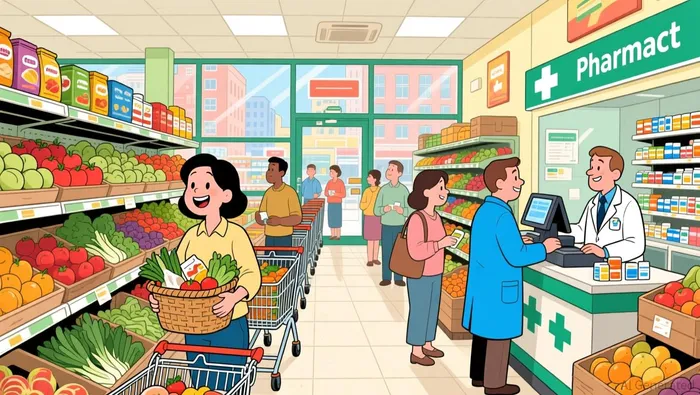
The impact of this closure on the local community is a key concern. Residents have expressed worries over the loss of a grocery and pharmacy, which could exacerbate existing issues in the area. Meanwhile, the future of the Hechinger Mall site remains uncertain, as redevelopment plans have stalled in recent years.
From an investment perspective, it will be important to track how Albertsons allocates the funds saved from this closure. If the company reinvests in stores that can better serve local demand, the move may pay off in the long run. However, if the strategy fails to address customer needs or fails to boost profitability, it could signal a broader issue with Albertsons' business model.
For now, the closure represents a single step in a larger strategy. Investors should keep an eye on how Albertsons and its peers continue to optimize their store footprints and adapt to the evolving retail environment.

Stay ahead of the market.
Get curated U.S. market news, insights and key dates delivered to your inbox.
AInvest
PRO
AInvest
PRO



Comments
No comments yet