
Alabama Power's Coal Ash Risks: What Investors Need to Know
 Aime Summary
- , posing a risk of groundwater contamination and potential environmental catastrophe.
- , increasing risks from industrial pollution.
- Alabama Power has been fined for groundwater contamination and criticized for outdated emergency plans, with past incidents like the 2008 highlighting the dangers of unlined storage.
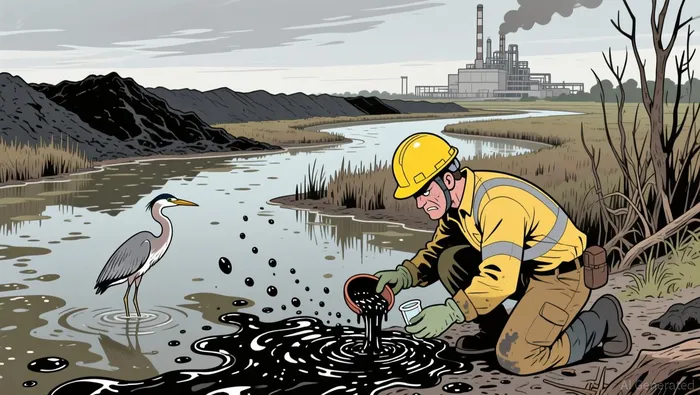
For decades, Alabama Power has relied on a legacy system of coal-fired power generation that has left behind a dangerous environmental footprint. At the heart of the problem are unlined coal ash ponds near the Mobile-Tensaw Delta, a critical ecosystem sometimes called the "American Amazon." These ponds contain over 21 million tons of toxic residue, including heavy metals like arsenic and mercury, which pose a serious threat to groundwater and local biodiversity. Despite repeated warnings from federal and state regulators, progress on safer alternatives has been slow.
The risk is amplified by years of state budget cuts. According to a report by the , . This has led to fewer inspections, weaker enforcement, and reduced staffing at key regulatory agencies. The situation mirrors trends in other states like Texas and North Carolina, where similar funding cuts have compromised oversight of industrial polluters. With less regulatory pressure, companies like Alabama Power are less incentivized to adopt safer waste management practices.
Recent data shows that Alabama Power has faced multiple fines for groundwater contamination and has been criticized for its emergency response plans. Environmental groups continue to push for stricter oversight, while the utility has announced plans to begin recycling some coal ash by 2026, but progress remains minimal. With climate change increasing the risk of extreme weather events, the stakes for investors, regulators, and communities are higher than ever.
What Risks Do Alabama Power's Coal Ash Ponds Pose to the Mobile-Tensaw Delta?
Alabama Power's coal ash ponds sit in a precarious position, both environmentally and economically. The Mobile-Tensaw Delta is one of the most biodiverse regions in the U.S., and its waterways are vital to local fishing and tourism industries. If a catastrophic breach occurs—like the 2008 Kingston coal ash spill in Tennessee—millions of tons of toxic sludge could flood the area, causing irreversible damage. The unlined earthen dikes at the Plant Barry site have already shown signs of contamination in groundwater testing. Independent studies confirm heavy metal presence near the plant, and emergency plans are considered inadequate for such a large-scale disaster.
What makes this risk even more concerning is the utility's long-term financial strategy. Alabama Power operates under a rate stabilization system that locks in high profit margins—up to 14.5%—based on 1980s interest rates. This has allowed the company to accumulate "excess" profits while continuing to rely on aging infrastructure. Environmental spending has not kept pace with this growth, and with less oversight, the company is unlikely to face meaningful regulatory pressure to modernize its waste management practices.
How Have Cuts to Environmental Funding Exacerbated Pollution Risks in Alabama?
The erosion of environmental funding has had a compounding effect on pollution risks. Between 2010 and 2024, Alabama reduced its environmental budget by nearly half. This has led to fewer inspectors, slower enforcement actions, and a general decline in public health protections. The situation is not unique to Alabama; similar cuts have occurred in other states, leading to longer case backlogs and reduced community accountability for industrial violations.
The lack of regulatory teeth means that companies like Alabama Power operate in a low-risk environment. While federal proposals threaten further reductions in EPA funding, the state's own budget cuts have already created a vacuum in enforcement. This makes it harder for communities to seek relief from pollution or to hold companies accountable for environmental harm. With fewer resources for investigations and interventions, environmental agencies are ill-equipped to respond to incidents like a coal ash breach or chemical spill.
What Should Investors Watch for in Alabama Power's Environmental and Financial Strategy?
Investors should pay close attention to how Alabama Power manages its coal ash liabilities and regulatory risks. With climate change increasing the likelihood of extreme weather events, a catastrophic spill could lead to massive cleanup costs and reputational damage. The company's proposed recycling plans, while promising, remain limited in scope and have yet to address the scale of the problem.
Financially, the utility's rate stabilization model has allowed it to maintain high profit margins despite growing public scrutiny. However, as environmental regulations evolve and public demand for cleaner energy increases, this model may become less sustainable. Investors should also consider the long-term implications of reduced state funding for environmental oversight. Without stronger regulatory pressure, companies like Alabama Power are unlikely to adopt more sustainable waste management practices voluntarily.
Ultimately, the combination of environmental risks, regulatory weaknesses, and financial incentives creates a complex picture for investors. While Alabama Power continues to generate strong profits, the growing environmental liabilities and public backlash could pose a significant threat to long-term stability.
Alabama cut environmental funding in half over 14 years: "Alabama cut environmental funding in half over 14 years" How Alabama Power Has Left the 'American Amazon' at Risk: "How Alabama Power Has Left the 'American Amazon' at Risk" : "How Alabama Power Has Left the 'American Amazon' at Risk" : "Alabama cut environmental funding in half over 14 years"

Stay ahead of the market.
Get curated U.S. market news, insights and key dates delivered to your inbox.






Comments
No comments yet