
Alabama Power Affirmed in Solar Fee Ruling: What Investors Should Know
 Aime Summary
A federal judge ruled Wednesday that Alabama Power can continue charging solar users who remain connected to the grid for backup power. This decision supports the utility's regulatory authority and infrastructure cost recovery.
The fee, justified by Alabama Power as necessary to maintain the electrical grid, has been criticized by some as unjust, especially when applied to customers who don't frequently rely on the utility's services. Workarounds such as off-grid systems or hybrid inverters are suggested by commenters to avoid the fee.
The ruling highlights broader legal discussions about how utilities should be compensated in a shifting energy landscape, particularly as more households adopt renewable energy solutions.
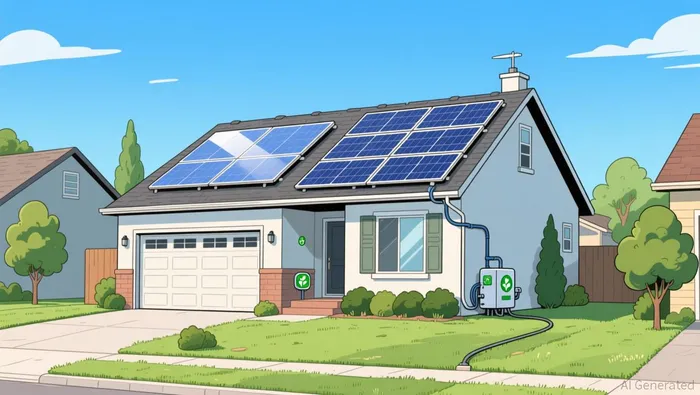
Did Alabama Power's solar fee win legal approval, and what does it mean for consumers?
Yes, a federal judge ruled that Alabama Power can continue imposing the fee on customers with solar panels who remain connected to the grid for backup power. This decision supports the company's ability to recover costs associated with maintaining the electrical infrastructure, which is increasingly challenged by the growing use of solar power. The fee is justified as covering the costs of keeping the grid operational for all users, including those who generate their own electricity. Critics argue the fee is unfair, particularly when applied to consumers who rely minimally on the grid. Workarounds such as hybrid inverters and off-grid systems are commonly discussed as methods to avoid the fee, though they come with their own trade-offs.
How does Alabama Power's solar policy compare to other U.S. states?
The Alabama Power solar fee is part of a broader national discussion around utility regulation and renewable energy. In some regions, like New England, electricity prices are among the highest in the U.S., highlighting regional disparities in energy affordability. In contrast, other states have adopted more favorable policies for solar users, often offering net metering or other incentives. Alabama's decision to continue its fee signals a different approach, emphasizing infrastructure costs over direct consumer incentives. This divergence can influence where renewable energy adoption accelerates or stalls, making it a key consideration for investors tracking energy market trends.
What are the implications of this ruling for Alabama Power and the broader energy sector?
The ruling reinforces Alabama Power's regulatory authority and provides legal clarity on how it can recover costs related to infrastructure maintenance. For the broader energy sector, the decision reflects ongoing tensions between utility companies and renewable energy advocates. As more households and businesses adopt solar power, the financial models of traditional utilities face increasing pressure. This ruling suggests that utilities may continue to assert control over revenue streams through fees tied to grid access, even as consumer energy choices diversify.
What to Watch Next
Investors should monitor how this ruling affects Alabama Power's customer retention and financial performance. The decision could also influence similar legal battles in other states where solar users face comparable fees. Additionally, the outcome could prompt policy changes at the state level, especially if consumer backlash or political pressure grows. Ultimately, this case underscores the evolving regulatory landscape for energy providers and the challenges they face in adapting to new technologies and consumer behaviors.

Stay ahead of the market.
Get curated U.S. market news, insights and key dates delivered to your inbox.


AInvest
PRO
AInvest
PRO



Comments
No comments yet