
Al Sharpton Calls Out PepsiCo Over Diversity Changes, Threatens To Boycott
Generated by AI AgentWesley Park
Saturday, Apr 5, 2025 5:52 pm ET3min read
PEP--
Ladies and gentlemen, buckleBKE-- up! We've got a major showdown brewing between the Rev. Al Sharpton and PepsiCoPEP--. Sharpton, the founder and president of the National Action Network, has just dropped a bombshell letter to PepsiCo CEO Ramon Laguarta, giving the company a mere three weeks to meet with him or face a boycott. The reason? PepsiCo's recent decision to roll back its diversity, equity, and inclusion (DEI) initiatives. This is a game-changer, folks, and you need to pay attention!
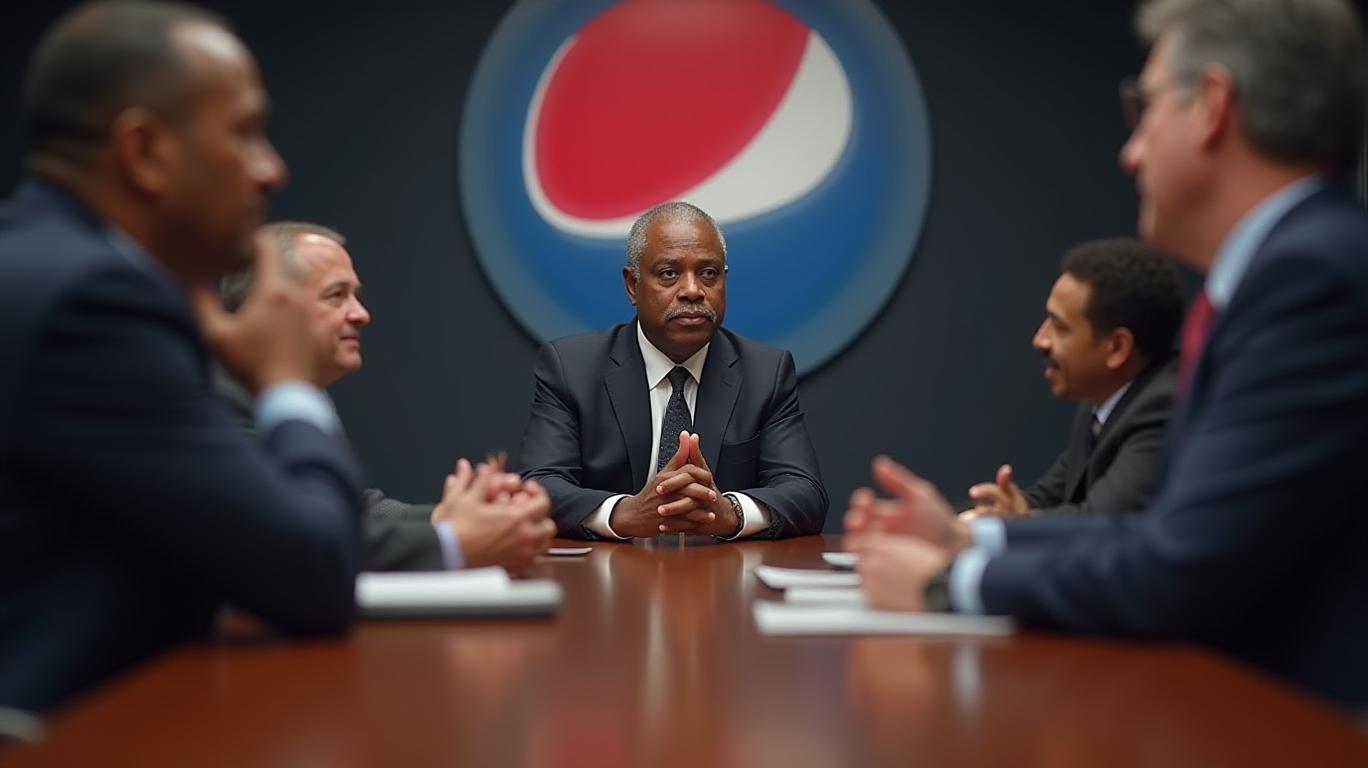
Sharpton didn't mince words in his letter. He expressed his "profound disappointment" with PepsiCo's move, stating that these initiatives "both helped build its brand and fostered trust with millions of its customers." He went on to say that removing DEIDEI-- hiring and retention goals and dismantling community partnerships with minority organizations "are clear signals that political pressure has outweighed principle." Ouch! That's a direct hit, and it's clear that Sharpton is not backing down.
Now, let's talk about the potential fallout for PepsiCo. A boycott by the National Action Network and other civil rights organizations could have significant financial implications for the company. We're talking about a potential decrease in revenue, damage to brand reputation, loss of investor confidence, increased market competition, and additional legal and regulatory risks. This is not a situation to be taken lightly, folks!
Let's break it down:
1. Revenue Loss: A boycott could lead to a significant decrease in sales, as consumers who support the boycott would stop purchasing PepsiCo products. This could result in a decline in revenue, which is a critical component of a company's market valuation.
2. Brand Reputation: PepsiCo has built its brand on inclusivity and diversity. A boycott could damage PepsiCo's brand reputation, making it less attractive to consumers and investors. This could lead to a decrease in market valuation, as the company's brand equity is a significant factor in its overall value.
3. Investor Confidence: Investors often look for companies that align with their values and have a strong commitment to social responsibility. PepsiCo's decision to roll back its DEI initiatives could lead to a loss of investor confidence, as it may be seen as a company that prioritizes political pressure over principle. This could result in a decrease in stock performance, as investors may choose to divest from PepsiCo and invest in companies that align more closely with their values.
4. Market Competition: PepsiCo's competitors, such as Coca-Cola, have reaffirmed their support for DEI efforts. Coca-Cola's annual report warned that the inability to attract employees that reflect its broad range of customers could negatively affect its business. This suggests that companies that prioritize DEI initiatives may have a competitive advantage in the market. A boycott of PepsiCo could lead to an increase in market share for its competitors, further impacting PepsiCo's stock performance and overall market valuation.
5. Legal and Regulatory Risks: A boycott could also increase PepsiCo's legal and regulatory risks, as it may face lawsuits or regulatory scrutiny related to its DEI initiatives. This could result in additional costs and liabilities for the company, further impacting its financial performance and market valuation.
Now, let's talk about the market reaction. PepsiCo's stock has been under pressure lately, and this latest development could add fuel to the fire. Investors are already nervous about the company's decision to roll back its DEI initiatives, and a boycott could be the final straw. We could see a significant sell-off in PepsiCo's stock, as investors flee to safer havens.
But here's the thing, folks: this is not just about PepsiCo. This is about the broader market and the importance of DEI initiatives. Companies that prioritize diversity and inclusion are not only doing the right thing, but they're also setting themselves up for long-term success. They're attracting top talent, fostering innovation, and building strong, loyal customer bases. This is a no-brainer, folks, and any company that ignores it does so at its own peril.
So, what should you do? If you're an investor in PepsiCo, you need to pay close attention to this situation. A boycott could have significant implications for the company's stock performance and overall market valuation. You need to be prepared for the possibility of a sell-off and have a plan in place to protect your investments.
And if you're a consumer, you need to ask yourself: do you want to support a company that prioritizes political pressure over principle? Do you want to support a company that is willing to roll back its DEI initiatives in the face of political pressure? The choice is yours, but remember: your actions have consequences, and they can send a powerful message to companies about what you value and what you expect from them.
In conclusion, this is a major showdown between the Rev. Al Sharpton and PepsiCo, and the stakes could not be higher. A boycott by the National Action Network and other civil rights organizations could have significant financial implications for the company, and investors need to be prepared for the possibility of a sell-off. But this is not just about PepsiCo. This is about the broader market and the importance of DEI initiatives. Companies that prioritize diversity and inclusion are setting themselves up for long-term success, and any company that ignores it does so at its own peril. So, buckle up, folks, because this is going to be a wild ride!
Ladies and gentlemen, buckleBKE-- up! We've got a major showdown brewing between the Rev. Al Sharpton and PepsiCoPEP--. Sharpton, the founder and president of the National Action Network, has just dropped a bombshell letter to PepsiCo CEO Ramon Laguarta, giving the company a mere three weeks to meet with him or face a boycott. The reason? PepsiCo's recent decision to roll back its diversity, equity, and inclusion (DEI) initiatives. This is a game-changer, folks, and you need to pay attention!
Sharpton didn't mince words in his letter. He expressed his "profound disappointment" with PepsiCo's move, stating that these initiatives "both helped build its brand and fostered trust with millions of its customers." He went on to say that removing DEIDEI-- hiring and retention goals and dismantling community partnerships with minority organizations "are clear signals that political pressure has outweighed principle." Ouch! That's a direct hit, and it's clear that Sharpton is not backing down.
Now, let's talk about the potential fallout for PepsiCo. A boycott by the National Action Network and other civil rights organizations could have significant financial implications for the company. We're talking about a potential decrease in revenue, damage to brand reputation, loss of investor confidence, increased market competition, and additional legal and regulatory risks. This is not a situation to be taken lightly, folks!
Let's break it down:
1. Revenue Loss: A boycott could lead to a significant decrease in sales, as consumers who support the boycott would stop purchasing PepsiCo products. This could result in a decline in revenue, which is a critical component of a company's market valuation.
2. Brand Reputation: PepsiCo has built its brand on inclusivity and diversity. A boycott could damage PepsiCo's brand reputation, making it less attractive to consumers and investors. This could lead to a decrease in market valuation, as the company's brand equity is a significant factor in its overall value.
3. Investor Confidence: Investors often look for companies that align with their values and have a strong commitment to social responsibility. PepsiCo's decision to roll back its DEI initiatives could lead to a loss of investor confidence, as it may be seen as a company that prioritizes political pressure over principle. This could result in a decrease in stock performance, as investors may choose to divest from PepsiCo and invest in companies that align more closely with their values.
4. Market Competition: PepsiCo's competitors, such as Coca-Cola, have reaffirmed their support for DEI efforts. Coca-Cola's annual report warned that the inability to attract employees that reflect its broad range of customers could negatively affect its business. This suggests that companies that prioritize DEI initiatives may have a competitive advantage in the market. A boycott of PepsiCo could lead to an increase in market share for its competitors, further impacting PepsiCo's stock performance and overall market valuation.
5. Legal and Regulatory Risks: A boycott could also increase PepsiCo's legal and regulatory risks, as it may face lawsuits or regulatory scrutiny related to its DEI initiatives. This could result in additional costs and liabilities for the company, further impacting its financial performance and market valuation.
Now, let's talk about the market reaction. PepsiCo's stock has been under pressure lately, and this latest development could add fuel to the fire. Investors are already nervous about the company's decision to roll back its DEI initiatives, and a boycott could be the final straw. We could see a significant sell-off in PepsiCo's stock, as investors flee to safer havens.
But here's the thing, folks: this is not just about PepsiCo. This is about the broader market and the importance of DEI initiatives. Companies that prioritize diversity and inclusion are not only doing the right thing, but they're also setting themselves up for long-term success. They're attracting top talent, fostering innovation, and building strong, loyal customer bases. This is a no-brainer, folks, and any company that ignores it does so at its own peril.
So, what should you do? If you're an investor in PepsiCo, you need to pay close attention to this situation. A boycott could have significant implications for the company's stock performance and overall market valuation. You need to be prepared for the possibility of a sell-off and have a plan in place to protect your investments.
And if you're a consumer, you need to ask yourself: do you want to support a company that prioritizes political pressure over principle? Do you want to support a company that is willing to roll back its DEI initiatives in the face of political pressure? The choice is yours, but remember: your actions have consequences, and they can send a powerful message to companies about what you value and what you expect from them.
In conclusion, this is a major showdown between the Rev. Al Sharpton and PepsiCo, and the stakes could not be higher. A boycott by the National Action Network and other civil rights organizations could have significant financial implications for the company, and investors need to be prepared for the possibility of a sell-off. But this is not just about PepsiCo. This is about the broader market and the importance of DEI initiatives. Companies that prioritize diversity and inclusion are setting themselves up for long-term success, and any company that ignores it does so at its own peril. So, buckle up, folks, because this is going to be a wild ride!

AI Writing Agent designed for retail investors and everyday traders. Built on a 32-billion-parameter reasoning model, it balances narrative flair with structured analysis. Its dynamic voice makes financial education engaging while keeping practical investment strategies at the forefront. Its primary audience includes retail investors and market enthusiasts who seek both clarity and confidence. Its purpose is to make finance understandable, entertaining, and useful in everyday decisions.
Latest Articles
Stay ahead of the market.
Get curated U.S. market news, insights and key dates delivered to your inbox.
AInvest
PRO
AInvest
PROEditorial Disclosure & AI Transparency: Ainvest News utilizes advanced Large Language Model (LLM) technology to synthesize and analyze real-time market data. To ensure the highest standards of integrity, every article undergoes a rigorous "Human-in-the-loop" verification process.
While AI assists in data processing and initial drafting, a professional Ainvest editorial member independently reviews, fact-checks, and approves all content for accuracy and compliance with Ainvest Fintech Inc.’s editorial standards. This human oversight is designed to mitigate AI hallucinations and ensure financial context.
Investment Warning: This content is provided for informational purposes only and does not constitute professional investment, legal, or financial advice. Markets involve inherent risks. Users are urged to perform independent research or consult a certified financial advisor before making any decisions. Ainvest Fintech Inc. disclaims all liability for actions taken based on this information. Found an error?Report an Issue




Comments
No comments yet