
The Airline Loyalty Shift: How Hawaiian and Alaska's Moves Signal a New Era in Travel Competition and Investment
The aviation industry is undergoing a quiet revolution. Hawaiian Airlines' $99 companion fare expansion and Alaska Airlines' loyalty program integration, both effective in July 2025, are not mere tactical adjustments—they're strategic pivots signaling a broader shift toward value-driven competition and customer-centric ecosystems. These moves redefine how airlines compete, engage travelers, and create investment opportunities in an era where loyalty and flexibility reign supreme.
The New Rules of Airline Competition
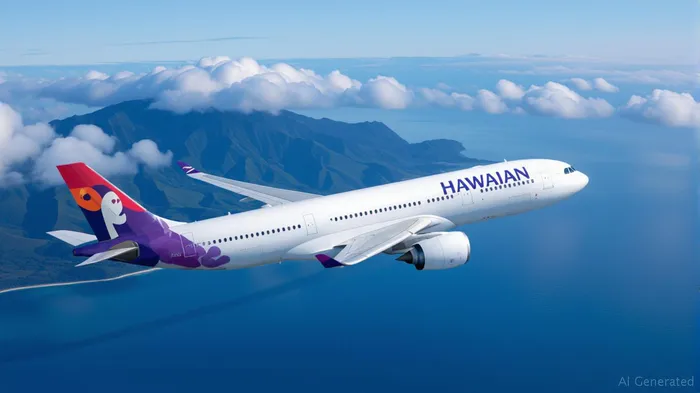
Hawaiian Airlines' $99 companion fare, now accessible to Alaska Airlines VisaV-- Signature cardholders who spend $6,000 annually or hold a business card, is a masterclass in leveraging partnerships to drive demand. By pricing interisland and North American flights at a fraction of standard rates, Hawaiian is targeting cost-conscious travelers while locking in repeat customers through Alaska's ecosystem. This pricing strategy isn't just about attracting passengers—it's about building a fly-to-fly network where loyalty cardholders become brand advocates.
Meanwhile, Alaska Airlines' integration of its Mileage Plan with HawaiianMiles is a bid to deepen customer stickiness. By unifying elite status tiers, expanding benefits like free bags and priority boarding, and enabling seamless mileage transfers, Alaska is creating a “one-stop” loyalty program that rewards frequent flyers with tangible perks. The move also hints at a broader industry trend: airlines are increasingly treating loyalty programs not as ancillary revenue streams but as core growth engines.
Strategic Implications: Loyalty as the New Battlefield
The partnership between Hawaiian and Alaska exemplifies a shift from route-based competition to loyalty-based ecosystems. Airlines are no longer just selling seats; they're selling access to a constellation of benefits—free bags, premium seating, exclusive fares—that create switching costs for travelers. For investors, this means prioritizing airlines with robust loyalty programs and the financial flexibility to invest in customer retention.
Consider the data: . While Hawaiian's stock has historically been volatile, its strategic alliances and pricing innovations could stabilize its growth trajectory. Alaska, meanwhile, has long been a loyalty leader, and its program integration could boost its valuation as it captures more of travelers' spend.
Consumer Behavior: The Rise of Value-Driven Travel
The $99 companion fare taps into a growing consumer preference for cost-effective travel. In an era of inflationary pressures, travelers are gravitating toward airlines that offer “bang-for-buck” propositions—whether through discounted fares, bundled perks, or loyalty rewards. This shift is forcing airlines to rethink their pricing models. Those with rigid, one-size-fits-all pricing (e.g., legacy carriers) may struggle, while agile players with dynamic pricing tools (like Alaska and Hawaiian) stand to gain.
The ripple effects extend beyond aviation. Hotels, car rentals, and retail partners are now part of a traveler's “total cost” calculus. Airlines with strong loyalty ties can drive ancillary sales by bundling flights with hotel stays or rental cars—a trend that could boost revenue diversification.
Investment Plays: Look for Flexibility and Balance
Investors should focus on airlines with three key traits:
1. Flexible Pricing Strategies: Companies like Hawaiian and Alaska, which use loyalty programs to offer tiered pricing (e.g., $99 fares for cardholders), are better positioned to capture discretionary spend.
2. Strong Balance Sheets: Airlines with low debt and high liquidity can weather fuel price swings or demand shocks while investing in tech (e.g., dynamic pricing algorithms) or partnerships.
3. Integrated Loyalty Ecosystems: Airlines that combine mileage programs with credit card revenue, as Alaska does, benefit from recurring income streams and customer data to refine offers.
Beyond airlines, the hospitality and retail sectors stand to gain. Hotels in travel hubs (e.g., Hawaiian resorts) and retailers with travel-specific loyalty programs could see increased foot traffic as travelers spend saved airfare money elsewhere.
Conclusion: A New Era of Travel, A New Investment Lens
The moves by Hawaiian and Alaska are more than tactical— they're a blueprint for the future of airline competition. For investors, this means favoring airlines that prioritize customer loyalty, adapt pricing to demand, and maintain financial resilience. The winners will be those that turn travelers into long-term advocates, not just one-time passengers.
As the aviation industry evolves, so too will the sectors intertwined with it. Keep an eye on airlines with the agility to innovate—and the balance sheets to back it up. The next decade of travel will reward those who master the art of value, not just the route to the runway.

Delivering real-time insights and analysis on emerging financial trends and market movements.
Latest Articles
Stay ahead of the market.
Get curated U.S. market news, insights and key dates delivered to your inbox.


AInvest
PRO
AInvest
PRO



Comments
No comments yet