
U.S. Airline Disruptions Surge: Flight Cancellations and Delays Impact Investors
 Aime Summary
- U.S. flight disruptions surged on April 5, 2026, with over 415 cancellations and 3,963 delays reported.
- Dallas/Fort Worth, Chicago O’Hare, and Atlanta were among the worst-hit hubs, affecting airlinesAAL-- like American, DeltaDAL--, and SkyWestSKYW--.
- Key drivers include severe weather, Easter travel demand, and operational bottlenecks like TSA delays and crew scheduling.
The U.S. airline industry is grappling with one of its worst operational days in recent memory. On April 5, 2026, the aviation system faced extensive flight cancellations and delays, with major hubs like Dallas/Fort Worth, Chicago O’Hare, and Atlanta bearing the brunt of the disruptions. Airlines such as American, Delta, and SkyWest reported significant cancellations, while thousands of travelers found themselves stranded due to cascading effects from prior delays. For investors, these disruptions are more than just operational hiccups—they are signals of broader systemic vulnerabilities in the U.S. air travel network that can impact airline earnings, customer satisfaction, and brand reputation.
What's driving U.S. airline flight cancellations and delays?
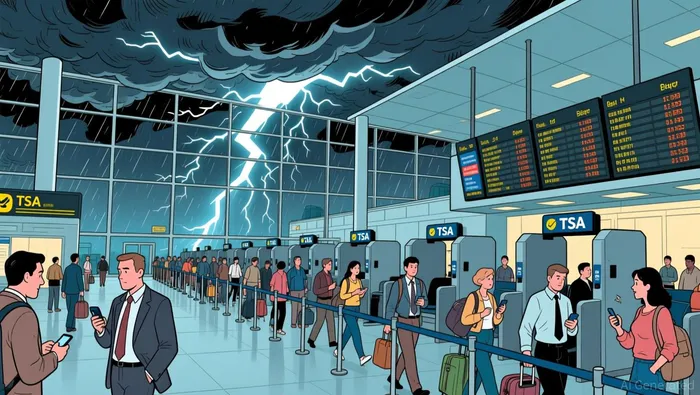
Multiple factors converged on April 5 to create a perfect storm for air travel. Unsettled weather, particularly in the Dallas–Houston corridor and Chicago area, caused severe thunderstorms and low visibility, which led to ground delays and cancellations. The Easter holiday also intensified travel demand, putting pressure on already strained systems. Compounding these issues were ongoing TSA staffing shortages and partial government shutdowns affecting security checkpoints, which slowed throughput and contributed to bottlenecks.
Airlines are trying to mitigate the worst effects by holding flights rather than canceling them outright. This strategy helps keep aircraft and crews in position but comes at a cost: lengthened connection times, increased passenger frustration, and potential violations of crew duty-time limits. For example, American AirlinesAAL-- experienced 914 delays, and SkyWest Airlines had the most cancellations with 96. These figures are not just numbers—they are direct hits to operational efficiency and customer trust.
How to prepare if you're investing in the airline sector
For investors, the recent wave of flight cancellations and delays highlights the operational risks inherent in the airline industry. While the sector has historically been cyclical and sensitive to macroeconomic trends, the current disruptions underscore the importance of monitoring factors like weather patterns, TSA staffing, and air traffic control efficiency. These variables are not within an airline's direct control but can have outsized impacts on performance.
Investors should also keep an eye on how airlines are managing these challenges. For example, holding flights instead of canceling them can reduce short-term cancellations but may lead to later delays or even evening cancellations that strand travelers overnight. This approach can help maintain aircraft and crew schedules but increases the risk of operational domino effects. Looking ahead, meteorologists have forecast additional severe-weather corridors through the central U.S. next week, suggesting that the situation may persist. Airlines that can adapt their operations to minimize passenger impact may emerge with stronger brand equity and customer loyalty in the long run.
What to watch next
The next key indicators for investors will include how airlines manage crew scheduling and rebooking operations in the coming days. Additionally, the Federal Aviation Administration's (FAA) response to ground-delay programs and whether they implement any policy changes could affect the broader industry. Companies may also provide updates on how they are addressing operational challenges, especially in terms of communication with passengers and compensation strategies for affected travelers. For now, the situation serves as a timely reminder of the delicate balance between demand, operational capacity, and external factors like weather and infrastructure readiness in the airline sector.

Stay ahead of the market.
Get curated U.S. market news, insights and key dates delivered to your inbox.


AInvest
PRO
AInvest
PRO



Comments
No comments yet