
Airbus Software Glitch and Aviation Sector Recovery: Assessing Resilience and Investment Opportunities


 Aime Summary
Operational Impact and Fleet Reactivation
The crisis began with an October 2025 incident involving a JetBlue A320, where intense solar radiation caused uncommanded pitch-down maneuvers, resulting in injuries and an emergency landing according to reports. Airbus swiftly issued a global recall, as announced. Airlines such as American AirlinesAAL--, DeltaDAL--, and Avianca faced operational chaos, with flight cancellations and delays compounding challenges during the Thanksgiving travel peak according to data.
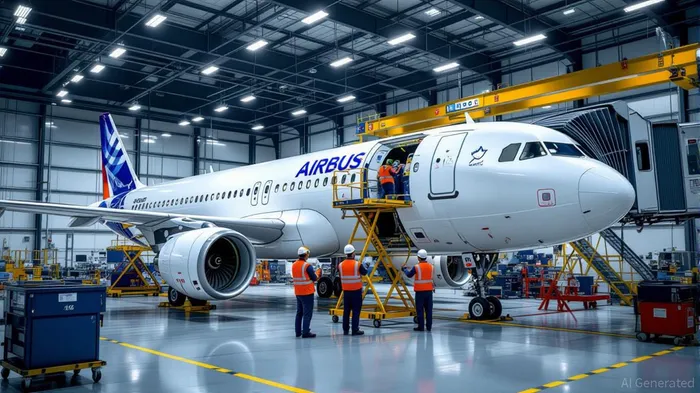
Despite initial fears, Airbus revised its impact estimates, noting that fewer aircraft required lengthy hardware repairs than initially projected according to sources. By late November, most airlines had completed updates, according to reports. The European Union Aviation Safety Agency (EASA) and the FAA mandated fixes before flights resumed, ensuring safety remained paramount as confirmed. This rapid reactivation minimized long-term operational damage, underscoring the sector's adaptability.
Investor Sentiment and Stock Performance
The recall initially spooked investors, with concerns over increased maintenance costs and flight disruptions. However, the aviation sector's historical resilience and Airbus's proactive crisis management mitigated long-term damage. Analysts from RBC Capital, KeyBanc, and Truist projected a positive outlook, .
For airlines, the impact varied. American Airlines and Delta, which managed repairs efficiently, saw limited stock volatility, according to market analysis. Despite these fluctuations, the sector's fundamentals remain strong. The A320's status as the best-selling single-aisle aircraft family highlights its critical role in global air travel, and the recall's resolution has reinforced confidence in Airbus's safety protocols according to industry experts.
Strategic Entry Points and Sector Resilience
The crisis has created opportunities for investors eyeing undervalued aviation stocks. Analysts emphasize that the recall, while disruptive, has accelerated industry-wide software checks, potentially reducing future risks. For Airbus, the incident underscores its leadership in addressing emerging challenges, such as solar radiation impacts on fly-by-wire systems.
Investors should consider airlines with robust maintenance infrastructure and diversified fleets. American Airlines and Delta, which minimized disruptions, exemplify operational efficiency. Additionally, aerospace defense firms, which have historically outperformed during recovery phases, present long-term growth potential.
Conclusion
The 2025 Airbus A320 recall tested the aviation sector's resilience but ultimately reinforced its capacity to adapt. While short-term disruptions were inevitable, the swift implementation of fixes and strong analyst projections indicate a robust recovery. For investors, the crisis has highlighted strategic entry points in airlines with agile operations and aerospace firms poised for long-term growth. As the sector stabilizes, aviation stocks are likely to regain momentum, driven by pent-up demand and confidence in technological safeguards.

Delivering real-time insights and analysis on emerging financial trends and market movements.
Latest Articles
Stay ahead of the market.
Get curated U.S. market news, insights and key dates delivered to your inbox.
AInvest
PRO
AInvest
PRO



Comments
No comments yet