
Airbus's Global Jet Recall and the Implications for Aviation and Aerospace Stocks


 Aime Summary
Operational Impact: A Systemic Shock to Airline Networks
The A320 recall, triggered by a linked to solar radiation-induced data corruption, has disrupted airline operations worldwide. Avianca suspended ticket sales for affected routes. While the fix-reverting to an earlier software version-is relatively straightforward, , prolonging disruptions. This recall compounds existing challenges, including engine repair backlogs and labor shortages, which have already strained maintenance facilities according to reports. For airlines, the financial toll is substantial: in 2025, driven by extended aircraft downtime, higher maintenance expenses, and the need for emergency engine leasing.
Supply Chain Resilience: A Test of Industry Preparedness
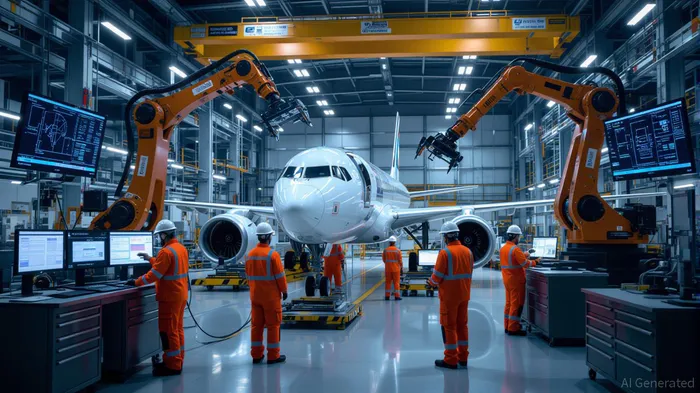 The recall highlights the fragility of aerospace supply chains, which have been under pressure for years. Airbus faces supply chain issues, , resolution not expected until 2027. These constraints force airlines to extend the operational life of aging fleets, increasing reliance on MRO services. However, the recall exacerbates supply chain strains by creating an urgent demand for software updates and hardware modifications, further stretching already limited maintenance capacity. The incident also raises questions about the robustness of software-driven flight systems, which are increasingly susceptible to such as solar activity.
Aerospace Stock Volatility: Balancing Optimism and Risk
Investor sentiment toward aerospace stocks has been volatile in response to these developments. following the recall announcement, despite strong quarterly financial results. , others caution that and could weigh on long-term growth. The A220 production slowdown, another supply chain issue, has further clouded the outlook, with delivery targets at risk of missing the 820-unit goal for 2025. For investors, the key challenge lies in balancing optimism about robust demand- in 2025- with concerns over manufacturers' ability to meet these expectations amid persistent bottlenecks.
MRO Sector Dynamics: Growth Amid Constraints
The MRO sector, already in a growth phase due to aging fleets and increased , faces both opportunities and headwinds. in 2025, . However, the A320 recall and existing supply chain issues are intensifying pressure on MRO providers. , with engine and component repairs taking six months or more. To mitigate these challenges, companies are adopting , . Yet, original equipment manufacturers are tightening control over critical resources, creating bottlenecks that limit independent MRO firms' flexibility. This structural shift could reshape the sector, favoring those that form to counter OEM dominance.
Investor Implications: Navigating Uncertainty
For investors, the Airbus recall and its ripple effects highlight the need for a nuanced approach. Aerospace stocks, while buoyed by long-term demand, remain vulnerable to tied to production delays and operational risks. MRO providers, meanwhile, offer growth potential but face from rising costs and capacity constraints. The key to successful investment lies in identifying companies that can innovate-through AI adoption, strategic partnerships, or -while navigating the sector's inherent uncertainties.
In the post-pandemic era, the aviation industry's resilience will be defined by its ability to adapt to and supply chain shocks. The Airbus A320 recall serves as a stark reminder: in an interconnected world, even the most advanced systems are not immune to disruption.

Delivering real-time insights and analysis on emerging financial trends and market movements.
Latest Articles
Stay ahead of the market.
Get curated U.S. market news, insights and key dates delivered to your inbox.


AInvest
PRO
AInvest
PRO



Comments
No comments yet