
Airbus's Global Aircraft Software Recall and Its Impact on Airline Operations


 Aime Summary
Technical Vulnerabilities and Regulatory Responses
The root cause of the recall was identified in the Elevator Aileron Computer (ELAC), a critical component of Airbus's fly-by-wire systems. Intense solar radiation was found to corrupt data in the ELAC, potentially leading to uncommanded maneuvers such as the sudden pitch-down incident on a JetBlueJBLU-- flight in October 2025, which resulted in an emergency landing and passenger injuries according to CBC reports. In response, the European Union Aviation Safety Agency (EASA) issued an emergency airworthiness directive, mandating software rollbacks or hardware replacements for affected aircraft. The U.S. Federal Aviation Administration (FAA) followed suit, aligning with EASA's measures and emphasizing safety as the top priority.
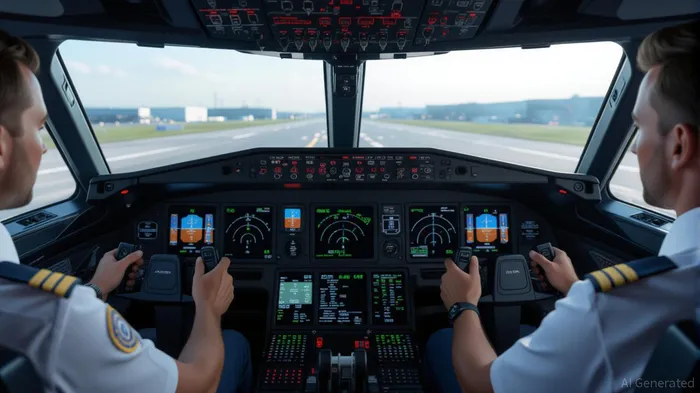 The scale of the recall-spanning 6,000 aircraft-reflects the systemic nature of the risk. While most repairs involved a two-hour software downgrade, approximately 1,000 older aircraft required hardware replacements, extending grounding periods and compounding operational challenges. This dual-tiered response underscores the difficulty of balancing immediate safety fixes with the logistical realities of maintaining a global fleet.
Operational Disruptions and Financial Implications
The recall's operational impact was most acutely felt during the U.S. Thanksgiving travel period, a critical revenue season for airlines. Major carriers such as American AirlinesAAL--, DeltaDAL--, and Avianca reported widespread cancellations, with Avianca suspending ticket sales for travel through December 8 due to the extensive disruption. In India, the Directorate General of Civil Aviation (DGCA) mandated rapid compliance, with IndiGo and Air India completing software updates on 323 A320-family aircraft within days, minimizing long-term operational fallout.
Financially, the recall has exposed airlines to increased maintenance costs and potential revenue losses. For example, American Airlines, which operates 209 affected A320s, faced a scramble to complete repairs during a peak travel period, though it managed to restore most aircraft to service within 48 hours. Delta, with fewer than 50 affected aircraft, reported limited disruptions, but the incident still raised concerns about the sector's vulnerability to cascading technical failures according to Airbus's update.
Stock Volatility and Market Reactions
The recall has also introduced short-term volatility into airline stocks. American Airlines (AAL), with a beta of 1.74, experienced heightened sensitivity to market fluctuations, reflecting investor concerns over operational risks and repair costs. While Airbus itself saw its stock price decline following the recall announcement, the broader airline sector's response was mixed. Some analysts adjusted price targets for carriers with large A320 fleets, factoring in potential repair expenses and operational delays.
The FAA's swift regulatory actions, however, provided a degree of market reassurance. By aligning with EASA's directives and emphasizing proactive risk mitigation, the FAA helped stabilize investor sentiment, particularly for U.S.-based carriers. For instance, American Airlines reported that all affected aircraft had received necessary fixes by November 29, 2025, limiting further operational disruptions. This rapid resolution mitigated long-term stock declines, though the incident remains a cautionary tale for investors assessing the sector's resilience to technical shocks.
Broader Implications for Risk Management
The Airbus recall highlights the growing importance of robust risk management frameworks in aviation. Modern aircraft rely on increasingly complex software systems, which are vulnerable to both technical and environmental factors-such as solar radiation-previously considered peripheral risks. For regulators, the incident underscores the need for agile, cross-border coordination to address emerging threats. EASA and the FAA's joint response demonstrated the value of harmonized standards, but the recall also revealed gaps in preparedness for large-scale, technology-driven disruptions.
For airlines, the recall serves as a reminder of the costs associated with over-reliance on digital systems. While software updates are often seen as low-cost solutions, the need for hardware replacements in older aircraft illustrates the hidden expenses of maintaining legacy fleets. Moreover, the incident has prompted renewed scrutiny of supply chain resilience, as maintenance shortages, and parts availability constraints exacerbated repair timelines.
Conclusion
The Airbus A320 software recall of 2025 is a watershed moment for the aviation sector, exposing vulnerabilities in both technical systems and risk management practices. While regulatory bodies like EASA and the FAA acted decisively to mitigate safety risks, the incident has left a lasting imprint on airline operations and stock markets. For investors, the key takeaway is the need to factor in the growing complexity of aviation technology when assessing sector risks. As the industry moves toward even more automated systems, the ability to anticipate and respond to unforeseen technical challenges will become a defining determinant of long-term success.

Delivering real-time insights and analysis on emerging financial trends and market movements.
Latest Articles
Stay ahead of the market.
Get curated U.S. market news, insights and key dates delivered to your inbox.




Comments
No comments yet