
Airbus's Global Aircraft Maintenance Crisis: A Test of Airline Resilience and Market Volatility


 Aime Summary
The Technical Crisis and Operational Fallout
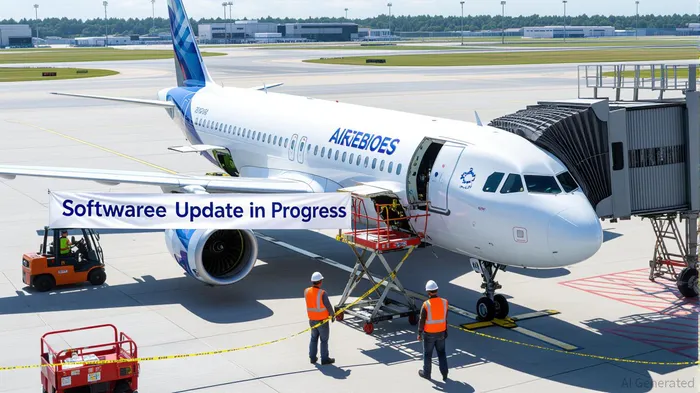
The crisis began with an emergency landing by JetBlueJBLU-- Flight 1230, which experienced an uncommanded descent due to a malfunction in its Elevator Aileron Computer (ELAC) system according to reports. Airbus swiftly identified the root cause: solar radiation-induced data corruption in the flight-control software of its A320 family, as reported. The European Union Aviation Safety Agency (EASA) issued an emergency airworthiness directive, mandating software updates or hardware replacements before any affected aircraft could return to service.
For airlines, the timing could not have been worse. , according to official statements. Delta Air LinesDAL-- and United AirlinesUAL-- faced smaller but non-trivial impacts, according to company reports. The software fix, which takes about two hours per aircraft, forced carriers to prioritize weekend maintenance to minimize disruptions during the Thanksgiving and holiday travel surge. However, older models requiring hardware upgrades faced extended downtimes, compounding operational strain.
Stock Market Volatility and Investor Sentiment
 The crisis has sent ripples through financial markets, with airline stocks facing heightened volatility. American AirlinesAAL--, one of the most exposed carriers, saw its shares dip as investors factored in potential revenue losses from flight cancellations and rescheduling fees. According to a report by Bloomberg, , reflecting investor concerns over operational reliability. DeltaDAL-- and United, with smaller exposure, fared better, but analysts warned of lingering risks.
The broader market reaction, however, has been mixed. While the crisis highlights vulnerabilities in aviation software systems, Airbus's dominant market position and robust balance sheet have insulated it from severe stock declines. Analysts at Goldman Sachs noted that Airbus's revenue growth and order backlog remain strong, though the incident could delay deliveries and increase maintenance costs in the short term. For airlines, the key question is whether the crisis will erode passenger confidence or trigger regulatory scrutiny that raises operating costs.
Infrastructure Strain and Regulatory Responses
The crisis has laid bare the fragility of air travel infrastructure, particularly during peak seasons. The U.S. according to FAA statements. This move, combined with Airbus's maintenance directive, has created a perfect storm of delays and cancellations. Air France and Avianca, , have warned of "significant disruptions," while easyJet and Wizz Air have preemptively canceled weekend flights.
Regulators are scrambling to enforce compliance. EASA's emergency directive requires airlines to complete repairs before the next flight, excluding repositioning to repair bases according to EASA guidelines. In the U.S., the FAA is expected to issue a similar mandate, though its delayed response has drawn criticism from industry groups. The crisis also raises questions about the adequacy of current safety protocols for software-driven aircraft systems, with calls for more rigorous testing against environmental stressors like solar radiation.
The Path Forward: Resilience and Adaptation
For airlines, the immediate priority is to absorb the operational costs of the crisis while maintaining customer trust. American Airlines and Delta have emphasized their ability to complete repairs quickly, leveraging maintenance hubs and extended work hours. However, the incident underscores a larger challenge: the aviation industry's reliance on aging fleets and software systems that may not be adequately prepared for climate-related or cosmic threats.
Investors should also consider the long-term implications. The crisis could accelerate demand for digital solutions to enhance aircraft resilience, a trend Airbus itself has highlighted in its Global Services Forecast according to company documentation. Airlines that invest in predictive maintenance and real-time monitoring systems may emerge stronger, while those with limited technical capabilities could face prolonged headwinds.
Conclusion
Airbus's A320 crisis is a stark reminder of the interconnected risks facing modern aviation. While the immediate focus is on repairing aircraft and minimizing disruptions, the broader lesson is about infrastructure resilience and the need for proactive risk management. For investors, the key takeaway is that airline stocks remain vulnerable to operational shocks, even as the sector's long-term growth prospects remain intact. The coming weeks will test not only the technical capabilities of airlines but also their ability to adapt in an era of increasing complexity.

Delivering real-time insights and analysis on emerging financial trends and market movements.
Latest Articles
Stay ahead of the market.
Get curated U.S. market news, insights and key dates delivered to your inbox.
AInvest
PRO
AInvest
PRO



Comments
No comments yet