
Airbus Flight Control Glitch and Aviation Sector Volatility


 Aime Summary
Supply Chain Strains and Operational Realities
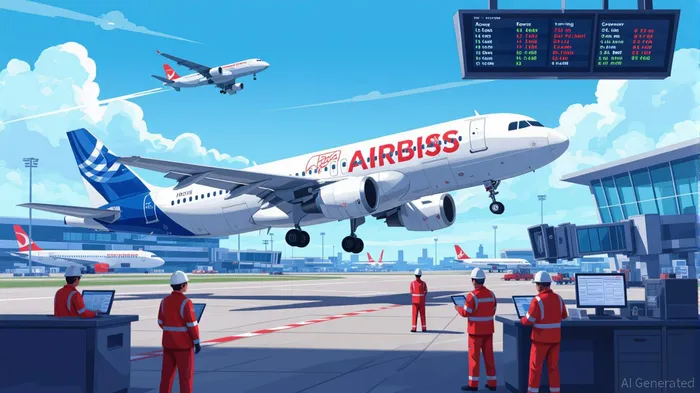 The recall, mandated by the (EASA), required urgent software updates and, in some cases, hardware modifications to mitigate the risk of data corruption in flight control systems. According to reports, airlines such as Air France-KLM, Finnair, and Avianca faced significant cancellations and delays, compounding existing maintenance backlogs and engine inspection demands. This confluence of challenges has strained repair capacity, revealing the sector's limited flexibility in managing simultaneous disruptions. According to a Bloomberg report, the recall exacerbated pre-existing bottlenecks in the supply chain, with repair facilities already stretched thin by prior issues such as A320neo engine inspections. The incident highlights a critical question: Can the aviation industry scale its maintenance infrastructure to meet the dual pressures of aging fleets and increasingly software-dependent aircraft?
Investor Confidence and Stock Valuation Shifts
The immediate market reaction to the recall was marked by volatility. While Airbus's rapid deployment of fixes-completed in two to three hours per aircraft for most updates-helped contain the worst-case scenarios, the scale of the crisis raised concerns about the company's quality control and the reliability of its software-driven systems. For airlines, the recall introduced operational uncertainty, particularly during the critical holiday travel period. American Airlines initially reported 340 affected aircraft , a shift that reflected both logistical progress and the challenges of real-time risk assessment. Analysts at Reuters noted , though the sector stabilized as airlines demonstrated agility in implementing fixes. The incident thus serves as a case study in how investor sentiment can pivot between panic and reassurance, depending on the perceived efficacy of crisis management.
Accelerating Maintenance Tech Adoption and Fleet Modernization
Perhaps the most enduring impact of the recall lies in its potential to accelerate investments in predictive maintenance technologies and fleet modernization. The crisis has underscored the limitations of reactive maintenance models, prompting airlines to prioritize real-time diagnostic tools and cybersecurity protocols. As stated by Airbus CEO , the incident "highlights the growing importance of software resilience in aircraft design." This sentiment is echoed in industry reports, which suggest that airlines are now more inclined to adopt digital monitoring systems to preemptively identify vulnerabilities. For example, Delta Air Lines and United Airlines leveraged existing maintenance schedules to minimize disruptions, a strategy that could become standard practice in the post-crisis era. Moreover, the recall has intensified scrutiny of fleet modernization budgets, with carriers like IndiGo and Wizz Air demonstrating how rapid software reverts can mitigate operational downtime.
### Long-Term Implications for the Sector
The Airbus recall is a harbinger of broader trends in the aviation industry. As aircraft become increasingly reliant on software, the sector must confront the dual imperatives of technological innovation and risk mitigation. For investors, this means reassessing valuations not just through traditional metrics like load factors and fuel costs but also through the lens of a company's digital preparedness. Airlines that invest aggressively in predictive analytics and cybersecurity-such as those already deploying AI-driven maintenance platforms-may emerge as long-term winners. Conversely, those lagging in modernization could face persistent operational headwinds.
In conclusion, the 2025 Airbus crisis is a microcosm of the aviation sector's evolving challenges. While the immediate disruptions tested supply chain resilience and investor patience, the incident also catalyzed a necessary reevaluation of maintenance strategies and technological priorities. For the industry, the path forward lies in balancing innovation with caution-a lesson that will shape both corporate strategies and market dynamics in the years ahead.

Delivering real-time insights and analysis on emerging financial trends and market movements.
Latest Articles
Stay ahead of the market.
Get curated U.S. market news, insights and key dates delivered to your inbox.




Comments
No comments yet