
Airbus Crisis: Flight Disruptions and Systemic Risk in Global Aviation


 Aime Summary
Supply Chain Vulnerability: A Software-Driven Crisis
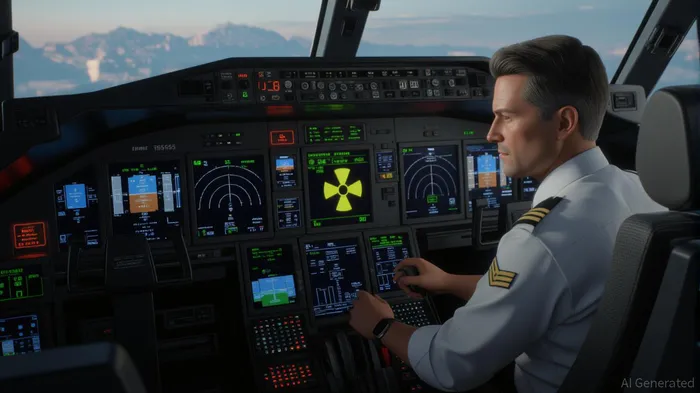
The Airbus A320 recall highlights the fragility of modern aviation's software supply chain. The Elevator and Aileron Computer (ELAC) system, critical for flight control, was found to be susceptible to data corruption from intense solar radiation-a flaw first identified in a JetBlueJBLU-- flight incident on October 30, 2025, which resulted in a 190-foot mid-air drop and 15 passenger injuries according to reports. The root cause traced back to the 2019 ELAC L104 software version, which omitted radiation-hardening measures present in earlier iterations as research shows.
This vulnerability has forced airlines into a costly and time-sensitive scramble to implement software rollbacks or hardware replacements. While most aircraft can be fixed in three hours, approximately 1,020–1,300 planes require hardware modifications, prolonging their grounding. The crisis has also revealed a broader issue: the aviation industry's reliance on legacy software systems that lack robust defenses against environmental stressors like solar flares. As the European Union Aviation Safety Agency (EASA) and the Federal Aviation Administration (FAA) issued emergency directives, the incident exposed gaps in regulatory oversight and supplier accountability.
Stock Market Impact: Aerospace Equities Under Pressure
The Airbus crisis has directly impacted aerospace equity valuations. Following the recall announcement, Airbus Group SE (AIR) saw its stock price drop by 0.44%, closing at 203.25 EUR. While the company's long-term fundamentals remain strong-its price-to-book ratio of 6.83 and market cap of 160.44 billion EUR suggest resilience-the short-term reputational and operational costs are significant. Analysts warn that the recall could delay revenue from new A320 deliveries and increase maintenance costs for airlines, potentially squeezing margins for both manufacturers and operators.
The ripple effects extend to competitors like BoeingBA--. The A320's software issues echo Boeing's 737 MAX crisis, where flawed MCAS software led to two fatal crashes and a 20-month grounding. While Boeing's stock has not mirrored Airbus's immediate decline, the parallels highlight investor concerns about software reliability in next-generation aircraft. For now, Boeing's shares remain relatively stable, but the crisis underscores the sector's vulnerability to systemic software failures.
Airline Operational Risks: Disruptions and Capacity Constraints
The recall has compounded operational challenges for airlines, particularly during peak travel periods. Major carriers like American AirlinesAAL--, DeltaDAL--, and IndiGo reported delays and cancellations as they rushed to comply with EASA and FAA mandates. American Airlines revised its impacted fleet count from 340 to 209 aircraft, but even this reduction reflects the scale of the disruption according to reports. The timing of the recall-coinciding with Thanksgiving and winter holidays-has exacerbated capacity constraints, with airlines facing labor shortages and maintenance backlogs.
The crisis also raises questions about the financial resilience of low-cost carriers, which operate tighter margins and have less flexibility to absorb repair costs. For example, easyJet and IndiGo have had to accelerate software updates, incurring additional expenses that could pressure their earnings. Meanwhile, airlines with older A320 models requiring hardware replacements face prolonged grounding, further straining their operational capacity.
Opportunities in Alternative Aviation Tech
Amid the crisis, the incident has spotlighted opportunities in alternative aviation technologies aimed at mitigating software and radiation risks. Radiation-hardened electronics, a niche but growing market, are gaining traction. Companies like VORAGO Technologies, which produce radiation-tolerant microcontrollers, have seen increased demand for their solutions in aerospace applications. Similarly, Microchip Technology and Honeywell are expanding their portfolios of radiation-hardened components, driven by both commercial and defense sectors according to industry analysis.
Startups are also innovating in AI-driven safety systems. Beacon AI and Shield AI are developing algorithms to reduce human error and enhance autonomous flight capabilities, while Solstar Space is advancing space-based communication systems to support real-time monitoring of environmental threats as new developments show. These technologies, though nascent, could redefine aviation safety standards and reduce reliance on vulnerable legacy systems.
Conclusion: A Wake-Up Call for the Industry
The Airbus A320 recall is more than a technical glitch-it is a wake-up call for the aviation industry. The crisis has exposed systemic weaknesses in software supply chains, regulatory frameworks, and airline operational preparedness. For investors, the incident underscores the need to scrutinize aerospace equities for software-related risks and the potential for prolonged disruptions. At the same time, it highlights emerging opportunities in radiation-mitigation technologies and AI-driven safety solutions. As the industry grapples with the fallout, the path forward will require a delicate balance between innovation, regulation, and risk management.

Delivering real-time insights and analysis on emerging financial trends and market movements.
Latest Articles
Stay ahead of the market.
Get curated U.S. market news, insights and key dates delivered to your inbox.




Comments
No comments yet