
Airbus A320 Technical Crisis: Implications for Aviation Sector Exposure


 Aime Summary
Short-Term Volatility: Operational Disruptions and Market Reactions
The immediate fallout from the A320 recall has been significant. Airlines such as American, DeltaDAL--, and JetBlueJBLU-- faced last-minute flight cancellations and delays during the critical Thanksgiving travel period, a time when revenue maximization is paramount according to Airbus. The recall required urgent software updates for most aircraft, with older models needing hardware replacements-a process that could ground planes for weeks according to the Guardian. For example, Air India reported working "around the clock" to address the issue, while Avianca and Jetstar canceled flights altogether according to Reuters. Such disruptions have heightened investor concerns about airline profitability, particularly as carriers grapple with already elevated maintenance costs and labor shortages according to Strategic Risk.
The stock market's reaction has been mixed. While Airbus shares initially dipped following the recall announcement, analysts noted that the company's swift response-collaborating with regulators to implement fixes-mitigated long-term reputational damage according to Intellectia. This contrasts sharply with the BoeingBA-- 737 MAX crisis, according to Wikipedia. For now, Airbus appears to have avoided a similar fate, with Wall Street analysts maintaining a cautiously optimistic outlook, citing the company's strong fundamentals and long-term growth in the aerospace aftermarket according to Investing.com.
Long-Term Resilience: Risk Management and Structural Adaptations
The A320 crisis, however, is not merely a technical hiccup-it is a symptom of broader systemic risks in the post-pandemic aviation landscape. Experts highlight three key areas of concern: , , and regulatory pressures.
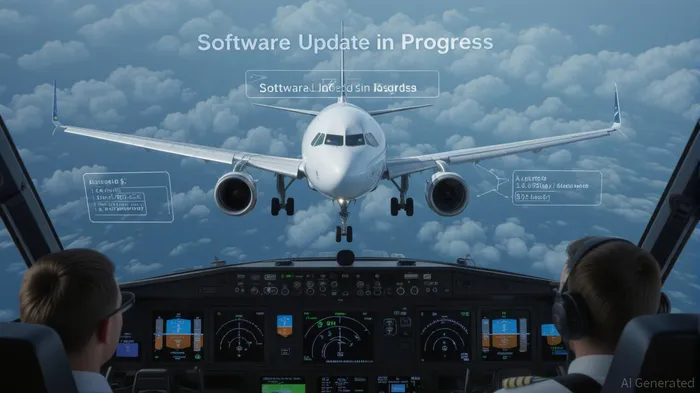
- : Modern aircraft rely heavily on software systems, which are increasingly vulnerable to both environmental factors (like solar radiation) and cyber threats. The A320 incident underscores the need for robust software validation protocols. As StrategicRISK notes, cyber incidents have become the top risk for aviation, with ransomware attacks and GPS spoofing compounding vulnerabilities according to Allianz. For OEMs like Airbus, this necessitates greater investment in cybersecurity and redundancy systems-a costly but necessary adaptation.
 2. : The recall has exacerbated existing supply chain bottlenecks. Older A320 models requiring hardware modifications face prolonged downtimes, straining parts availability and labor resources according to SATAir. This mirrors broader industry challenges, , increasing maintenance costs and complicating sustainability goals according to CNBC. For airlines, the crisis highlights the risks of over-reliance on aging aircraft during a period of constrained new deliveries.
- : The European Union's Corporate Sustainability Reporting Directive (CSRD) and similar regulations are forcing airlines to prioritize emissions reductions and transparency. The A320 recall, while safety-focused, has diverted attention and resources from sustainability initiatives, creating a trade-off between operational reliability and environmental compliance according to Morningstar.
Historical Context and Investor Implications
Comparisons to past aviation crises reveal divergent outcomes. The Boeing 737 MAX grounding, for instance, involved physical design flaws and regulatory mistrust, leading to a protracted reputational and financial crisis. In contrast, the A320 issue-a software glitch with a relatively straightforward fix-has allowed Airbus to avoid a prolonged operational shutdown. This distinction is critical for investors: while both events caused short-term volatility, the A320 crisis is less likely to erode long-term confidence in Airbus's engineering capabilities according to SSRN.
For airlines, the recall serves as a stress test for their risk management frameworks. Carriers that prioritized proactive communication and service recovery, such as American AirlinesAAL-- and IndiGo, have fared better in maintaining customer loyalty and minimizing revenue losses according to CXQuest. Conversely, those with weaker crisis response strategies face reputational damage and potential long-term customer attrition.
Conclusion: Navigating Uncertainty in a High-Stakes Sector
The Airbus A320 crisis is a microcosm of the aviation sector's broader challenges. In the short term, it has amplified operational and financial pressures for airlines and OEMs, particularly during a critical revenue period. However, the industry's ability to adapt-through software updates, regulatory collaboration, and improved risk management-suggests a path toward resilience. For investors, the key lies in distinguishing between transient disruptions and structural vulnerabilities. While the A320 recall is a near-term headwind, the long-term outlook for the sector remains contingent on how effectively stakeholders address the intertwined risks of technology, supply chains, and sustainability.

Delivering real-time insights and analysis on emerging financial trends and market movements.
Latest Articles
Stay ahead of the market.
Get curated U.S. market news, insights and key dates delivered to your inbox.




Comments
No comments yet