
Airbus A320 Software Recall and Its Implications for Global Aviation and Aerospace Stocks


 Aime Summary
Technical Cause and Immediate Operational Disruptions
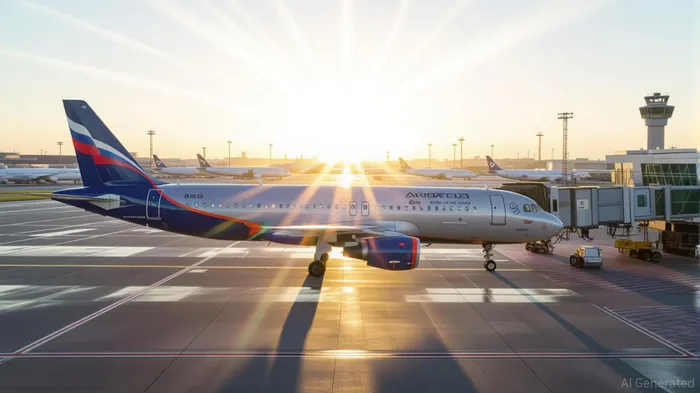
The root cause of the recall lies in the ELAC 2 computer's susceptibility to data corruption from intense solar radiation, a phenomenon that can trigger uncommanded pitch events. According to a report by , this flaw was identified after a JetBlue A320 experienced an unexpected descent, resulting in injuries and an emergency landing. Airbus, in collaboration with the European Union Aviation Safety Agency (EASA) and the Federal Aviation Administration (FAA), has mandated a software update for over 6,000 A320 Family aircraft-nearly half of the global fleet-to mitigate the risk.
The operational impact is significant. Airlines such as American AirlinesAAL--, DeltaDAL--, and Wizz Air have already grounded hundreds of aircraft for repairs, with American Airlines estimating that 340 of its A320s will require fixes by the end of the weekend. The timing of the recall-just before the U.S. Thanksgiving travel surge-has exacerbated disruptions, compounding existing challenges like labor shortages and maintenance backlogs. Analysts warn that the recall could lead to widespread flight cancellations and delays, further straining an industry still recovering from pandemic-era volatility.
Supply Chain Vulnerabilities: Thales and the ELAC 2 Bottleneck
The ELAC 2 system, a critical flight control component, is supplied by Thales, a French aerospace technology firm. While Airbus has not explicitly attributed the flaw to Thales, the incident raises questions about the reliability of third-party avionics suppliers. According to Airbus's own documentation, the ELAC 2's software is not directly under the manufacturer's responsibility, placing accountability on Thales. This division of liability highlights a broader issue in aerospace supply chains: the increasing complexity of subcontracted systems and the risks of relying on a limited number of suppliers for mission-critical components.
Compounding the problem is the lack of alternative suppliers for ELAC 2 replacements. As noted in a report by , Airbus and EASA have not identified other vendors capable of producing or reprogramming these units. This bottleneck could prolong repair timelines, particularly for aircraft requiring hardware replacements rather than software updates. For investors, this points to a systemic vulnerability: the aerospace sector's dependence on a narrow supplier base for advanced avionics, which could amplify the impact of future recalls or production delays.
Financial Risks for Airlines, Suppliers, and Manufacturers
The recall's financial toll is multifaceted. For airlines, the immediate costs include lost revenue from canceled flights, increased maintenance expenses, and potential compensation for affected passengers. American Airlines has already announced that most of its 340 impacted aircraft will require two hours of downtime per unit, a disruption that could ripple into December's peak travel season. Meanwhile, Avianca has suspended ticket sales for flights through December 8, citing the scale of its fleet's exposure.
For suppliers like Thales, the incident could trigger reputational damage and regulatory scrutiny. While Thales has not yet issued a public statement on the recall, its role in the ELAC 2 system's design places it under indirect pressure to address software reliability concerns. Investors may also scrutinize Airbus's financial resilience, as the recall could delay production targets and increase warranty costs. Airbus's recent expansion of A320 Family production, including new final assembly lines in China and the U.S., is already constrained by supplier bottlenecks in engines and semiconductors. A prolonged recall could further strain these efforts, impacting delivery schedules and shareholder confidence.
Broader Implications for Aerospace Supply Chains
The A320 recall is a microcosm of larger challenges in the aerospace sector. As noted in a 2025 avionics market report, global supply chains for flight control systems, semiconductors, and radar components are increasingly fragile due to geopolitical tensions, material shortages, and rising demand for automation. The incident also underscores the growing vulnerability of software-driven systems to environmental factors like solar radiation-a risk that regulators and manufacturers may need to address through stricter testing protocols or redundant design standards as highlighted in a technical analysis.
For investors, the recall serves as a cautionary tale about the interconnectedness of aerospace supply chains. While Airbus and its partners have demonstrated agility in responding to the crisis, the incident highlights the sector's susceptibility to cascading failures. Airlines and manufacturers that fail to diversify their supplier base or invest in resilient software architectures may face heightened operational and financial risks in the coming years.
Investment Considerations
In light of these developments, investors should prioritize aerospace stocks with strong supply chain diversification and robust software testing frameworks. Airlines with smaller A320 fleets or diversified aircraft portfolios may be less exposed to operational disruptions. Conversely, suppliers with limited redundancy in critical components-like Thales in the case of ELAC 2-could face heightened volatility.
Regulatory responses will also be critical to monitor. EASA and FAA actions post-recall, such as mandatory software certification updates or supplier audits, could reshape industry standards and influence long-term investment trends. For now, the A320 recall is a stark reminder that in an era of increasingly complex aircraft systems, even minor software flaws can have far-reaching consequences for global aviation and aerospace markets.

Delivering real-time insights and analysis on emerging financial trends and market movements.
Latest Articles
Stay ahead of the market.
Get curated U.S. market news, insights and key dates delivered to your inbox.




Comments
No comments yet