
Airbus A320 Software Crisis and Its Ripple Effect on Global Airline Stocks


 Aime Summary
Operational Disruptions: A Global Logistical Challenge
The recall's timing-during peak travel periods such as the U.S. Thanksgiving and Japanese New Year holidays-amplified its impact. Airlines like Avianca, , suspended ticket sales for travel dates through December 8 to manage operational chaos. Similarly, Japan's ANA Holdings , . , , compounding logistical strain.
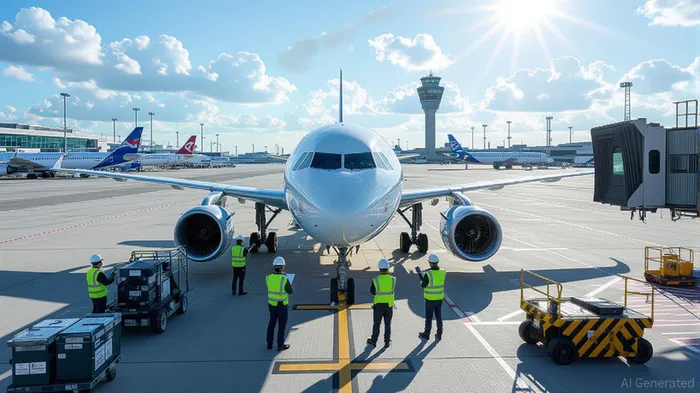
The crisis exposed vulnerabilities in the aviation industry's reliance on software systems. For instance, American AirlinesAAL--, , . However, airlines with less agile maintenance infrastructure, such as Avianca and Air India, faced prolonged disruptions. Air India, for example, . These disparities highlight the uneven operational resilience across carriers.
Financial Exposure: Revenue Losses and Repair Costs
The financial toll of the recall varied widely. Avianca's decision to halt ticket sales directly translated to lost revenue, though exact percentages remain undisclosed. ANA Holdings, meanwhile, incurred costs from flight cancellations and passenger reaccommodations, though its ability to complete repairs swiftly mitigated long-term damage according to reports. JetBlue, despite being the airline where the crisis originated, , attributing this to strong premium demand and cost controls.
Repair costs also varied. While software updates were relatively inexpensive, posed significant financial burdens. For airlines like IndiGo and easyJet, which prioritized rapid fixes, the costs were manageable. However, carriers with larger A320 fleets, such as American Airlines and DeltaDAL--, faced higher aggregate expenses, straining cash reserves during a period of already tight liquidity.
Stock Valuation Impacts: Price Drops and P/E Ratio Adjustments
The crisis introduced volatility into airline stocks. Avianca's shares, for instance, saw heightened uncertainty as investors reacted to its fleet-wide disruptions and halted ticket sales. Similarly, ANA Holdings' stock faced downward pressure due to its high exposure to the A320 fleet, though its swift response helped stabilize investor sentiment. JetBlue's stock, already under pressure from a disappointing 2025 outlook, , though this was attributed to broader operational concerns rather than the recall alone.
P/E ratios also shifted. American Airlines, , exhibited increased sensitivity to market disruptions, reflecting its high operational leverage. Meanwhile, , indicating cautious optimism about its long-term prospects despite the crisis according to analysts. For airlines, the recall underscored the importance of diversifying aircraft fleets to reduce dependency on a single platform.
Long-Term Implications and Investor Considerations
The Airbus A320 crisis serves as a cautionary tale about the risks of over-reliance on software-driven systems in aviation. For investors, the key lessons are twofold:
1. Operational Resilience: Airlines with diversified fleets and robust maintenance infrastructure (e.g., American Airlines, Delta) are better positioned to weather such crises.
2. Valuation Metrics: Stocks of airlines heavily exposed to the A320 fleet (e.g., Avianca, ANA) may require closer scrutiny, as their P/E ratios and beta values reflect heightened volatility.
Looking ahead, the crisis may accelerate industry trends toward redundant software systems and hardware-based safeguards. Airbus's revised estimates-reducing the number of aircraft requiring hardware upgrades-suggest a path to resolution, but the long-term financial and reputational costs remain to be seen.
Conclusion
The Airbus A320 software crisis has reshaped the risk landscape for global airlines, exposing both operational and financial vulnerabilities. While the immediate impacts were severe, the crisis also highlighted the importance of agility, diversification, and proactive risk management. For investors, the key takeaway is to prioritize airlines with strong maintenance capabilities and diversified fleets, while remaining cautious about carriers with high exposure to single-platform dependencies. As the aviation sector navigates this post-recall era, the lessons learned from 2025 will likely influence investment strategies for years to come.

Delivering real-time insights and analysis on emerging financial trends and market movements.
Latest Articles
Stay ahead of the market.
Get curated U.S. market news, insights and key dates delivered to your inbox.
AInvest
PRO
AInvest
PRO



Comments
No comments yet