
Airbus A320 Software Crisis: Implications for Aviation Safety and Aerospace Equity Valuations


 Aime Summary
Operational Disruptions and Financial Costs
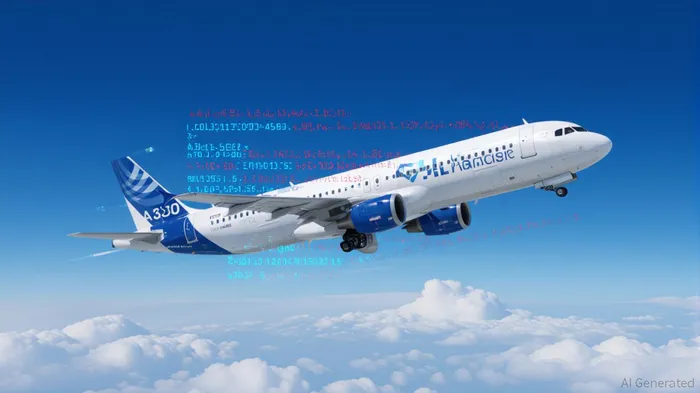
The crisis began with a JetBlueJBLU-- flight experiencing an uncommanded drop in altitude, prompting an emergency landing and highlighting systemic flaws in Airbus's flight control software according to reports. In response, Airbus issued a precautionary fleet action, requiring airlines to perform software rollbacks or hardware modifications according to CTV News. For most aircraft, the fix involves a two-hour software update, , prolonging groundings. American AirlinesAAL--, for instance, , with repairs expected to disrupt holiday travel.
The financial burden on airlines is significant. While software updates are relatively low-cost, hardware modifications and extended groundings could strain budgets, particularly for carriers like Avianca, according to EASA. Analysts estimate that the recall could lead to revenue losses from cancellations and delays, compounding existing challenges such as labor shortages and maintenance backlogs.
Regulatory Responses and Long-Term Changes
The European Union Aviation Safety Agency (EASA) has taken a proactive stance, issuing an emergency airworthiness directive to mandate repairs. The U.S. Federal Aviation Administration (FAA) is expected to follow suit, signaling a potential shift toward stricter software testing protocols. EASA's directive emphasizes the need for airlines to prioritize operational suitability data (OSD) updates, placing greater responsibility on aircraft manufacturers to ensure software resilience.
Long-term regulatory changes are likely to focus on mitigating risks from solar radiation and other environmental factors. The crisis underscores the necessity for real-time monitoring systems and redundant safeguards in flight control software. Such measures could increase development costs for aerospace firms, but they may also drive innovation in cybersecurity and radiation-hardened hardware according to Economic Times.
Investor Confidence and Market Reactions
Airbus's stock price has shown mixed signals. , reflecting optimism about new aircraft orders and production capacity expansions, the A320 crisis has tempered investor enthusiasm. , citing strong execution and improved margins, while Kepler Cheuvreux downgraded Airbus to "Hold," citing near-term valuation concerns.
Despite the crisis, Airbus's intrinsic value remains undervalued. A discounted cash flow model estimates its intrinsic value , . , suggesting potential for recovery as the recall is resolved. However, competitors like Spirit Airlines are reevaluating fleet strategies, shifting from purchasing to leasing newer aircraft to mitigate risks.
Long-Term Implications for Aerospace Firms
The A320 crisis serves as a cautionary tale for aerospace firms, highlighting the growing importance of software reliability in aircraft design. While Airbus has demonstrated agility in addressing the issue, the incident could accelerate industry trends toward modular software architectures and third-party audits for critical systems. For investors, the crisis underscores the need to assess not only technical capabilities but also a company's ability to navigate regulatory and operational headwinds.
In the broader market, the aerospace sector faces a dual challenge: balancing innovation with safety while managing investor expectations. The crisis may also spur consolidation, as smaller firms struggle to meet heightened regulatory standards. For Airbus, the path forward will depend on its ability to restore customer confidence and adapt to a regulatory environment increasingly focused on software transparency and resilience.
Conclusion
The Airbus A320 software crisis has reshaped the aviation landscape, exposing vulnerabilities in flight control systems and prompting urgent regulatory action. While the immediate financial and operational costs are substantial, the long-term implications for aerospace equity valuations hinge on how effectively firms like Airbus can integrate robust software safeguards and navigate evolving regulatory demands. For investors, the crisis underscores the importance of due diligence in assessing both technical and governance risks in an industry where software failures can have catastrophic consequences.

Delivering real-time insights and analysis on emerging financial trends and market movements.
Latest Articles
Stay ahead of the market.
Get curated U.S. market news, insights and key dates delivered to your inbox.




Comments
No comments yet