
Airbus A320 Recall and Its Ripple Effects on the Aviation Supply Chain


 Aime Summary
Operational Disruptions and Airline Vulnerabilities
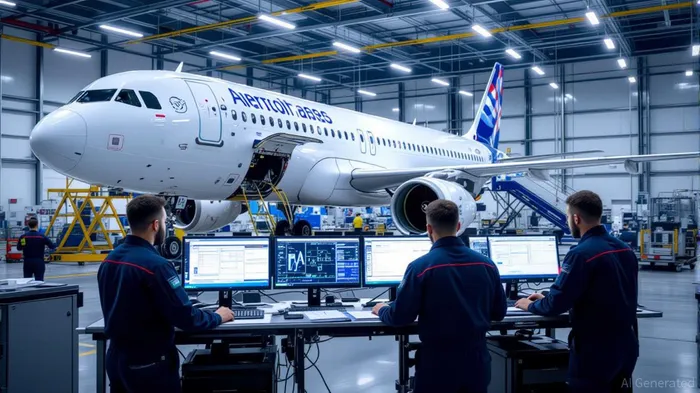
The recall's immediate impact has been severe, with airlines forced to ground fleets during one of the busiest travel periods of the year. American AirlinesAAL--, for instance, reported that 340 of its 480 A320 aircraft require urgent software updates, with repairs taking approximately three hours per plane according to sources. While most fixes are software rollbacks, around 900 older aircraft necessitate hardware modifications to their Elevator and Aileron Computers (ELAC), a process that could ground planes for weeks as reported. This has compounded existing challenges, including labor shortages and maintenance backlogs, creating a perfect storm of operational inefficiencies.
The financial toll on airlines is evident. American Airlines, Lufthansa, and easyJet have all reported flight cancellations and delays, with Avianca temporarily halting ticket sales for December 8 according to reports. While precise revenue loss figures remain undisclosed, the reputational and operational costs-such as passenger compensation, rescheduling, and crew reassignments-are likely to weigh heavily on short-term earnings. For airlines already navigating post-pandemic recovery, the recall exacerbates margin pressures, particularly as fuel prices and labor costs remain elevated according to market analysis.
Supplier Accountability and Technological Risks
The root cause of the recall-software corruption from solar radiation-points to a critical dependency on aerospace suppliers. Thales, the manufacturer of the affected ELAC software, has stated that its component complies with Airbus specifications according to official statements. However, the incident has sparked scrutiny over supplier oversight and the adequacy of redundancy measures in flight control systems. This raises questions about the long-term liability for suppliers in an industry where software-driven systems are increasingly central to safety and performance.
For investors, the recall highlights the dual-edged nature of supplier relationships. While companies like Thales may benefit from increased demand for hardware modifications, the reputational damage from such high-profile failures could erode investor confidence. Similarly, aerospace contractors involved in maintenance and retrofitting-such as those handling hardware upgrades for older A320s-may see short-term revenue boosts, but the broader market could face regulatory tightening, increasing compliance costs as analysts note.
Stock Market Reactions and Investment Implications
The recall has already triggered market volatility. Airbus's stock (EADSY) fell sharply following the announcement, reflecting investor concerns over repair costs and operational disruptions according to market data. Suppliers, however, present a mixed picture. Thales's stock has not seen a direct decline, but its role in the crisis may lead to heightened regulatory scrutiny, potentially affecting future contracts according to financial reports. Meanwhile, companies specializing in maintenance and hardware upgrades could see increased demand, though this depends on the scale and duration of the recall.
For airlines, the investment outlook remains cautious. While carriers like American Airlines have emphasized their ability to complete most repairs by the weekend according to statements, the timing of the recall-during peak travel season-limits their capacity to absorb disruptions without impacting revenue. Investors should monitor airlines' ability to manage cash flow amid these challenges, particularly as many still carry pandemic-era debt burdens according to industry analysis.
Broader Industry Lessons and Future Outlook
The A320 recall serves as a wake-up call for the aviation sector. It underscores the need for robust software validation processes, especially as aerospace systems become more reliant on digital components. For suppliers, the incident highlights the importance of designing systems with resilience against non-traditional risks, such as solar radiation or cyber threats. For airlines, it reinforces the value of diversifying supplier relationships and investing in predictive maintenance technologies to mitigate future disruptions according to industry experts.
From an investment perspective, the crisis also reveals opportunities. Aerospace contractors with expertise in software redundancy and hardware modernization may emerge as key players in a post-recall landscape. Similarly, airlines that demonstrate agility in managing such crises-through transparent communication and rapid operational adjustments-could outperform peers in restoring investor trust according to market research.
Conclusion
The Airbus A320 recall is more than a technical hiccup; it is a systemic stress test for the aviation industry. For investors, the event underscores the interconnectedness of technological innovation, supplier reliability, and operational agility. While the immediate financial and reputational costs are significant, the long-term implications may drive industry-wide improvements in risk management and system resilience. As the sector navigates this crisis, stakeholders must balance short-term volatility with the potential for long-term structural reforms-a dynamic that will shape the investment landscape for years to come.

Delivering real-time insights and analysis on emerging financial trends and market movements.
Latest Articles
Stay ahead of the market.
Get curated U.S. market news, insights and key dates delivered to your inbox.




Comments
No comments yet