
Airbus A320 Grounding and Solar Radiation Vulnerability: Aviation Sector Risk Exposure and Supply Chain Resilience


 Aime Summary
Technical and Cybersecurity Vulnerabilities: A New Frontier
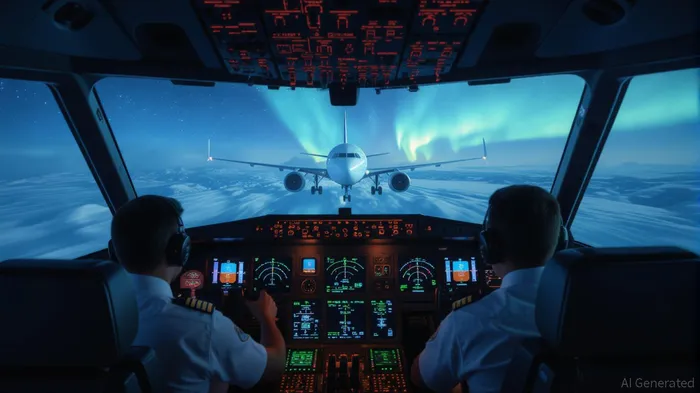
The Airbus A320 grounding underscores the growing intersection of physical and digital risks in aviation. , previously considered a peripheral threat, has emerged as a critical vulnerability for aircraft systems reliant on aging software architectures. The uncommanded nose-down event on , caused by corrupted data, highlights how space weather can exploit outdated code and hardware. According to a report by , European regulators mandated emergency software updates to mitigate this risk, marking the first time such a recall was driven by solar activity.
 This incident aligns with broader industry concerns about technical obsolescence. Airlines are increasingly reliant on legacy systems, such as (CRT) displays in avionics, which are incompatible with modern according to a 2025 analysis. A 2025 analysis by Aviation Week notes that to address obsolescence, compounding risks from and GPS spoofing. The recent ransomware attack on Collins Aerospace, which disrupted European airports, further illustrates how third-party dependencies amplify exposure according to Cyber Magazine.
Supply Chain Resilience: A Fragile Foundation
The grounding has exacerbated existing supply chain bottlenecks. Airbus's plan to increase A320 production to 75 aircraft per month by 2027 is constrained by supplier limitations, particularly in according to a 2025 forecast. Meanwhile, airlines are extending the lifespans of older fleets, according to IATA. These pressures are compounded by geopolitical tensions and material shortages, which have delayed new aircraft deliveries by over a decade according to The Aviationist.
The reliance on a limited number of vendors has created systemic fragility. As stated by Cyber Magazine, a single compromised supplier can trigger cascading disruptions across multiple countries. This fragility is mirrored in the satellite and tech sectors, where -already vulnerable to jamming and spoofing-are now under scrutiny for their resilience to solar radiation according to Industrial Cyber.
Investment Implications: Navigating the New Normal
Airlines: Operators face mounting costs from aging fleets and operational disruptions. The grounding has forced airlines to cancel or delay flights, eroding revenue and customer trust. To mitigate these risks, airlines must invest in and diversify supplier relationships. However, with , capital allocation will remain a critical constraint.
OEMs: Airbus and competitors must accelerate to address obsolescence. Optimizing Material Review Board processes and adopting can reduce reliance on legacy parts. Yet, MRO operations lag in adopting these tools, creating a gap that OEMs must bridge through platform-agnostic engineering services according to Aviation Week.
Satellite/Tech Firms: The grounding has spotlighted the need for resilient . Companies enabling for parts traceability and AI-driven predictive maintenance are well-positioned to benefit according to Aviation Week. However, the integration of technologies requires significant investment in workforce training and digital literacy.
Conclusion: A Call for Collaborative Resilience
The Airbus A320 grounding is a wake-up call for the aviation sector. As solar radiation vulnerabilities and technical obsolescence converge with supply chain fragility, stakeholders must prioritize , , and . For investors, the path forward lies in supporting firms that address these challenges through innovation and collaboration. The aviation industry's ability to adapt will determine not only its operational resilience but also its long-term financial viability in an era of escalating risks.

Delivering real-time insights and analysis on emerging financial trends and market movements.
Latest Articles
Stay ahead of the market.
Get curated U.S. market news, insights and key dates delivered to your inbox.
AInvest
PRO
AInvest
PRO



Comments
No comments yet