
Airbus A320 Grounding and Global Aviation Safety Risks: Investment Implications of Sudden Aircraft Recall and Operational Disruptions


 Aime Summary
Operational Disruptions: A Global Crisis in Motion
The root cause of the grounding lies in a flaw within the (Elevator Aileron Computer) system, which governs aircraft pitch and roll. , prompting Airbus to issue an emergency directive. Airlines were forced to revert to older software versions or implement hardware changes, leading to widespread flight cancellations during the peak U.S. Thanksgiving travel period. Asian carriers, including IndiGo and ANA Holdings, reported significant schedule disruptions, while Avianca . The European Union Aviation Safety Agency () and other regulators mandated immediate fixes, but supply chain bottlenecks and maintenance backlogs have delayed fleet readiness.
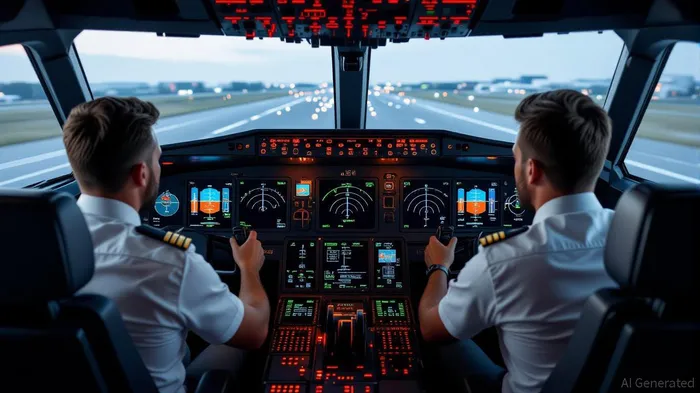
This operational chaos mirrors the BoeingBA-- 737 Max grounding, which . The A320 recall, however, is unique in its scale and timing, compounding existing challenges such as labor shortages and post-pandemic demand surges.
Financial Impact: Airlines and Manufacturers in the Crosshairs
The financial toll on airlines is staggering. For every grounded aircraft, carriers face direct costs from cancellations, passenger compensation, and rerouting, while indirect losses stem from reputational damage and lost revenue. Asian airlines, particularly in India and China, are disproportionately affected, as the A320 forms the backbone of their short-haul networks. For manufacturers, Airbus faces pressure from recall costs, supply chain delays, and potential lawsuits, even as the A320 model recently surpassed the as the most-delivered aircraft(https://omanet.om/en/news/economy/airbus-a320-recall-disrupts-asia/).
Historical precedents highlight the severity of such events. The 737 Max grounding ; Defense Index. While Airbus's stock has not yet mirrored this decline, the A320 recall threatens to erode investor confidence, particularly as the company navigates a record number of incidents in 2024–2025, .
Investor Sentiment: A Sector on Edge
Investor reactions to the A320 recall have been swift and severe. The incident exacerbates existing concerns about aviation safety and operational reliability, with analysts warning of a potential "flight of capital" from the sector. Asian markets, where the A320 is most heavily utilized, have seen heightened volatility, with airlines like IndiGo and Air India experiencing sharp declines in share prices. Meanwhile, Wall Street analysts have cautiously optimistic forecasts for Delta Air Lines, with a 12-month price target , reflecting a broader but fragile optimism in the sector.
The recall also amplifies risks for engine manufacturers, who stock price drop in the immediate aftermath of aviation incidents. While Airbus is not directly implicated in the A320 software flaw, the reputational fallout could spill over to its supply chain partners, particularly if the crisis extends beyond the holiday season.
Historical Context and Lessons for Investors
The A320 grounding serves as a stark reminder of the financial and reputational vulnerabilities inherent in aviation. The 733 Max case demonstrated that grounding events can lead to prolonged operational disruptions, regulatory scrutiny, and long-term brand erosion(https://www.airbus.com/en/newsroom/press-releases/2025-11-airbus-update-on-a320-family-precautionary-fleet-action). Similarly, the 2025 A320 crisis highlights the growing risks of software-driven systems in modern aircraft, where a single flaw can cascade into global chaos.
Investors must also weigh the cost-benefit tradeoffs of safety investments. While advanced systems like have proven to reduce accident rates and in potential losses over five years, the upfront costs of implementing such measures can strain budgets. For Airbus, the A320 recall may accelerate investments in redundant systems and solar radiation shielding, but these initiatives will require significant capital and time.
Long-Term Implications and Mitigation Strategies
The A320 grounding underscores the need for robust risk management in aviation. Airlines and manufacturers must prioritize diversification of critical systems, invest in real-time monitoring technologies, and strengthen contingency planning. For investors, the crisis highlights the importance of hedging against operational risks in the sector. Diversifying portfolios across aerospace, logistics, and alternative travel technologies could mitigate exposure to sudden disruptions.
Regulators, meanwhile, face pressure to enforce stricter software testing protocols and enhance transparency in safety reporting. Airbus's project and collaborative safety workshops are steps in the right direction, but systemic reforms will be necessary to restore public trust and investor confidence.
Conclusion
The 2025 Airbus A320 grounding is a wake-up call for the aviation industry and its stakeholders. While the immediate financial and operational impacts are severe, the long-term implications hinge on how effectively airlines, manufacturers, and regulators respond. For investors, the crisis underscores the need for vigilance, adaptability, and a nuanced understanding of the interplay between technological innovation, safety, and profitability. As the sector navigates this turbulence, the lessons from the A320 recall will shape the future of aviation-and the investments that fuel it.

Delivering real-time insights and analysis on emerging financial trends and market movements.
Latest Articles
Stay ahead of the market.
Get curated U.S. market news, insights and key dates delivered to your inbox.
AInvest
PRO
AInvest
PRO



Comments
No comments yet