
Airbus A320 Global Recall: Flight Safety Risks and Aviation Sector Market Implications


 Aime Summary
Flight Safety and Technical Vulnerabilities
The root cause of the recall-a software issue that corrupts flight-control data during intense solar radiation events-reveals a systemic risk in aviation's digitization. A JetBlue flight from Cancun to Newark experienced an uncommanded pitch-down, forcing an emergency landing and injuring passengers. EASA's emergency airworthiness directive requires immediate software rollbacks for two-thirds of affected aircraft, with hardware modifications needed for older models, potentially grounding them for weeks. 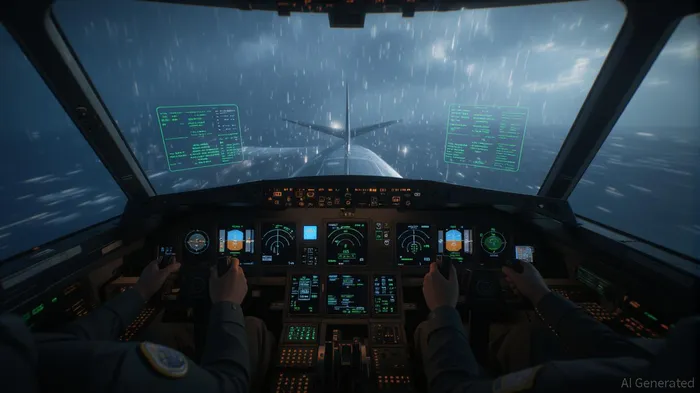 . This incident highlights a paradox: while software advancements enhance efficiency, they also create single points of failure that regulators and manufacturers must address.
Operational Disruptions and Airline Struggles
The recall has exacerbated existing operational challenges for airlines. American Airlines, Lufthansa, and easyJet have confirmed delays and cancellations, . The timing, coinciding with the Thanksgiving travel peak, has amplified disruptions. Airlines are now racing to complete repairs during overnight maintenance windows, but labor shortages and high demand for repair services have strained capacity. For instance, , a task requiring two hours per plane. Such constraints not only disrupt schedules but also erode customer trust, a critical asset in an industry already battered by post-pandemic volatility.
Supply Chain Bottlenecks and Financial Pressures
The recall compounds pre-existing supply chain vulnerabilities, which are . Delays in aircraft and engine production have forced carriers to retain older, less fuel-efficient planes, increasing operational costs. For example, due to the inefficiency of aging fleets, while . Airbus itself faces production hurdles, . These challenges are not isolated to Airbus; BoeingBA-- and other manufacturers grapple with similar issues, creating a ripple effect across the sector.
Investor Sentiment and Stock Market Volatility
The recall has triggered mixed investor reactions. While long-term optimism persists-Morgan Stanley and Bernstein Research highlight Airbus's robust order backlog-short-term concerns dominate. , reflecting fears of reputational damage and repair costs. Affected airlines have also seen stock price fluctuations. Avianca's shares halved within a week, as bankruptcy fears intensified, while on improved revenue performance, illustrating divergent market responses. Analysts like HSBC and Societe Generale caution that supply chain risks and labor shortages could further pressure profitability, dampening investor confidence.
The Path Forward: Resilience and Innovation
Addressing these challenges requires a dual focus on technical and systemic reforms. Airbus must accelerate software updates and diversify its supply chain to mitigate future disruptions. Airlines, meanwhile, need to invest in predictive maintenance technologies and regional sourcing to reduce dependency on global suppliers. For investors, the key lies in balancing short-term volatility with long-term growth potential. As one analyst notes, "The industry's ability to adapt to these shocks will determine its resilience in an era of increasing complexity."
Conclusion
The Airbus A320 recall is a stark reminder of the fragility inherent in modern aviation. While technical fixes are urgent, the broader lessons-about supply chain resilience, regulatory oversight, and investor behavior-are equally critical. For the sector to thrive, stakeholders must prioritize innovation and collaboration, ensuring that today's crises become tomorrow's catalysts for progress.

Delivering real-time insights and analysis on emerging financial trends and market movements.
Latest Articles
Stay ahead of the market.
Get curated U.S. market news, insights and key dates delivered to your inbox.
AInvest
PRO
AInvest
PRO



Comments
No comments yet