
Airbus A320 Global Recall: Cybersecurity Risks and Tech Stock Implications


 Aime Summary
The Crisis Unfolds: Solar Radiation and Software Vulnerabilities
The root cause of the recall lies in a flaw in the A320's flight control systems, where intense solar radiation corrupted critical data in the ELAC 2 computer, responsible for elevator and aileron control. This led to uncommanded maneuvers, including a harrowing incident involving a JetBlue flight that experienced a sudden pitch-down, resulting in injuries and an emergency landing according to Airbus. Airbus's emergency airworthiness directive, issued by the (EASA), required airlines to implement software updates and, in some cases, hardware realignments to mitigate the risk.
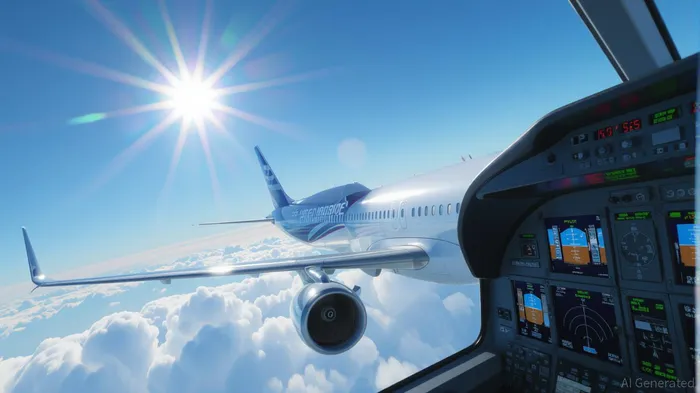 The scale of the recall has disrupted global air travel, particularly during peak travel periods like the U.S. Thanksgiving weekend. Airlines such as American AirlinesAAL--, DeltaDAL--, and Japan's ANA reported hundreds of cancellations and delays, while India's IndiGo and Air India . The incident highlights the fragility of modern fly-by-wire systems against natural phenomena, a risk that was previously underestimated in aerospace cybersecurity frameworks according to industry reports.
Supplier Exposure: Thales and the Hardware-Software Divide
A key player in the crisis is , the French company that manufactured the ELAC system. While Thales confirmed its hardware complies with Airbus specifications, it emphasized that the affected functionality is governed by Airbus's software, not its hardware. This distinction is critical for investors: the recall primarily required Airbus to roll out a software fix, with older aircraft needing hardware adjustments. Thales's stock may face limited direct pressure, as the issue is not tied to its hardware design but rather Airbus's software implementation. However, the incident could prompt airlines and regulators to demand stricter supplier accountability for integrated systems, potentially reshaping procurement practices in the sector.
Other suppliers, such as Hexcel and Huntsman Advanced Materials, which provide adhesives and coatings for A320 components, are less directly impacted. Their exposure lies in broader supply chain dynamics rather than the specific cybersecurity flaw. For now, their stocks remain insulated from the recall's immediate fallout.
Supply Chain Resilience: Lessons from the Aerospace Industry
The A320 recall has amplified long-standing concerns about aerospace supply chain vulnerabilities. , and the crisis has exposed the risks of fragmented, geographically dispersed production networks. While the 2025 aerospace supply chain report notes improvements in resilience compared to 2024, challenges such as lead time delays and raw material shortages persist. For investors, this underscores the importance of monitoring supply chain management firms that support aerospace manufacturing, particularly those with expertise in risk mitigation and logistics optimization.
has also emerged as a critical concern. , according to industry data. While the A320 issue was not a traditional cyberattack, it highlights the need for robust defenses against both malicious and environmental threats. Suppliers with cybersecurity capabilities-such as firms specializing in secure avionics or supply chain monitoring-could see increased demand as airlines and manufacturers prioritize resilience.
Market Implications for Tech Stocks
For tech stocks, the A320 recall presents a mixed outlook. Thales's stock may face short-term volatility due to its association with the ELAC system, but its long-term prospects depend on Airbus's ability to resolve the issue swiftly. Conversely, cybersecurity firms with aerospace exposure-though not directly linked to this recall-could benefit from heightened industry focus on software security. Investors should also watch for ripple effects in supply chain management companies, as airlines and manufacturers seek to diversify suppliers and reduce single points of failure.
The recall also serves as a stress test for the broader aerospace sector. Airlines that managed the crisis effectively, such as IndiGo and Air India, demonstrated the value of proactive communication and agile operations. Tech stocks that enable such capabilities-through AI-driven rebooking systems or real-time passenger communication tools-could gain traction as airlines prioritize customer retention during disruptions.
Conclusion: A Call for Resilience and Innovation
The Airbus A320 recall is a wake-up call for the aerospace industry. It highlights the need for robust cybersecurity protocols, diversified supply chains, and rapid response mechanisms to environmental risks. For investors, the incident underscores the importance of scrutinizing tech stocks with aerospace exposure, particularly those involved in critical systems like flight controls and supply chain logistics. While the immediate fallout has been disruptive, the long-term response could drive innovation and resilience, creating opportunities for forward-thinking investors.
As the industry grapples with this crisis, one thing is clear: the future of aerospace will be defined by its ability to adapt to both man-made and natural challenges.

Delivering real-time insights and analysis on emerging financial trends and market movements.
Latest Articles
Stay ahead of the market.
Get curated U.S. market news, insights and key dates delivered to your inbox.




Comments
No comments yet