
Airbus A320 Global Recall and Aviation Industry Implications: Navigating Short-Term Volatility in Aerospace and Airline Sectors


 Aime Summary
The Recall: Scope, Cause, and Regulatory Response
The incident, which involved an uncommanded altitude drop due to corrupted data in the Elevator and Aileron Computer (ELAC) system, prompted the European Union Aviation Safety Agency (EASA) to issue an emergency airworthiness directive. The U.S. (FAA) is expected to follow suit. The recall affects over half the global A320 fleet, with fixes ranging from software rollbacks to hardware modifications. Airlines such as American, Lufthansa, and IndiGo are racing to complete repairs ahead of the holiday travel surge, while carriers like Avianca report that 70% of their fleet is impacted.
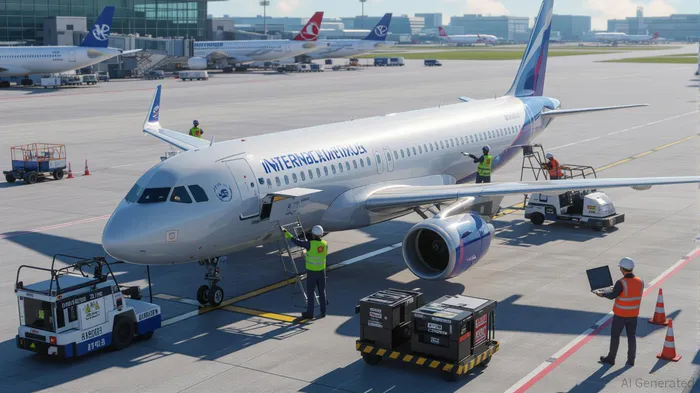 The root cause-solar radiation corrupting flight control data-highlights a previously underappreciated risk in aviation software systems. This has raised questions about the adequacy of current certification protocols for avionics resilience against space weather as reported by Airbus.
Stock Market Reactions: Stability for Airbus, Mixed Signals for Suppliers
Despite the scale of the recall, Airbus shares have remained relatively stable, . Analysts attribute this resilience to the company's proactive communication and long-term growth prospects, though short-term operational disruptions for airlines could introduce volatility. analysis.
Aerospace suppliers, however, present a more nuanced picture. Thales, the manufacturer of the ELAC system, clarified that the problematic software was not its responsibility, . reflect strong investor sentiment, though hardware-related bottlenecks could strain its capacity to meet urgent repair demands. Park Aerospace Corp (PKE), meanwhile, , illustrating the sector's mixed performance.
Supply Chain Bottlenecks and Operational Disruptions
The recall has exacerbated existing supply chain constraints, particularly for hardware modifications required by some aircraft. Airlines are facing extended grounding periods, with . These disruptions compound challenges from labor shortages and maintenance backlogs as reported by USA Today, raising costs for repositioning, crew reassignments, and passenger rebookings according to DW reporting.
For suppliers, the demand for rapid software and hardware fixes could strain production capabilities. Airbus's third-quarter report noted only marginal progress in reducing "gliders" (aircraft lacking engines), underscoring broader supply chain fragility. Analysts warn that prolonged bottlenecks may pressure aerospace valuations, particularly for firms reliant on A320-related contracts as Airbus has indicated.
Investor Strategies: Hedging Volatility, Focusing on Resilience
For investors, the recall highlights opportunities and risks. Short-term volatility in airline stocks is likely, as carriers face reduced capacity and operational costs. However, companies with robust maintenance networks or diversified product lines may outperform. For example, firms like Thales, with strong cash flows and a focus on avionics innovation, could benefit from increased demand for software/hardware solutions.
Long-term, the crisis may accelerate industry trends toward enhanced software testing and space weather monitoring. Investors should also monitor regulatory responses, as stricter certification requirements could create new market opportunities for suppliers specializing in resilient avionics systems.
Conclusion
The Airbus A320 recall is a wake-up call for the aviation industry, exposing both technical vulnerabilities and operational fragilities. While short-term turbulence is inevitable, the crisis also underscores the importance of innovation, supply chain resilience, and proactive risk management. For investors, a balanced approach-hedging against near-term volatility while capitalizing on long-term growth drivers-will be critical in navigating this pivotal moment in aerospace and travel-related equities.

Delivering real-time insights and analysis on emerging financial trends and market movements.
Latest Articles
Stay ahead of the market.
Get curated U.S. market news, insights and key dates delivered to your inbox.
AInvest
PRO
AInvest
PRO



Comments
No comments yet