
Air Traffic Control Towers: A Safety Gap in Global Aviation
In the realm of aviation, a concerning revelationREVB-- has emerged: only 10% of airports worldwide are equipped with air traffic control towers. This statistic has raised alarm bells among aviation experts, who warn of potential safety implications for flight operations. This article delves into the reasons behind this disparity and explores the implications for flight safety.
The absence of air traffic control towers in the majority of airports is a result of several factors. Firstly, the cost of constructing and maintaining a tower can be prohibitively high for smaller airports, particularly in developing regions. Secondly, the demand for air traffic control services may not be sufficient to justify the investment in a tower. Lastly, some airports may rely on alternative methods of air traffic management, such as remote towers or ground-based radar systems.
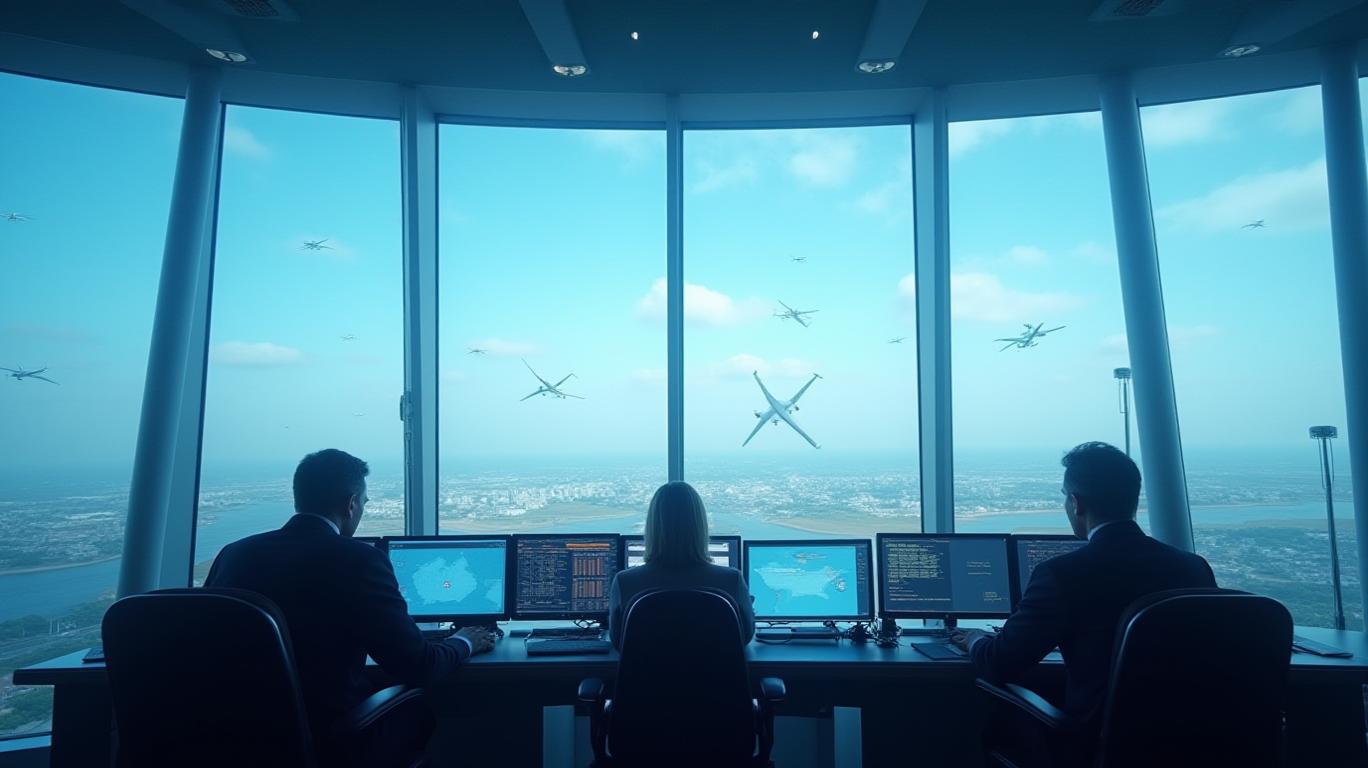
However, the lack of air traffic control towers can pose significant safety risks. Without a tower, pilots must rely on visual flight rules (VFR) to navigate and communicate with other aircraft. This can be challenging, especially in low-visibility conditions or during periods of high air traffic. Additionally, the absence of a tower can lead to a lack of centralized coordination and communication among pilots, increasing the risk of mid-air collisions.
To mitigate these risks, aviation experts have called for increased investment in air traffic control infrastructure. This could involve the construction of new towers, the upgrade of existing facilities, or the implementation of remote tower technology. Additionally, pilots and airports can adopt best practices for safe operations in the absence of a tower, such as maintaining constant communication with air traffic control and adhering to strict flight procedures.
The importance of air traffic control towers in ensuring flight safety cannot be overstated. As air travel continues to grow, it is crucial that airports invest in the necessary infrastructure to support safe and efficient operations. By addressing the disparity in air traffic control services, the aviation industry can enhance safety, reduce risks, and ensure the continued growth of air travel.

Stay ahead of the market.
Get curated U.S. market news, insights and key dates delivered to your inbox.




Comments
No comments yet