
US Air Traffic Control Radar Overhaul Sees $12.5 Billion Contracts Awarded to RTX and Indra
 Aime Summary
The U.S. government has awarded contracts for new air traffic control radar systems to RTX CorpRTX-- and Spanish firm Indra Sistemas. The awards are part of a $12.5 billion plan by Congress to overhaul the aging air traffic control system, addressing long-standing congestion and technology issues. Transportation Secretary Sean Duffy highlighted the importance of modernizing the system, as many radars date back to the 1980s and have exceeded their intended service life. The initiative aims to replace up to 612 radar units by June 2028, with priority given to high-traffic areas.
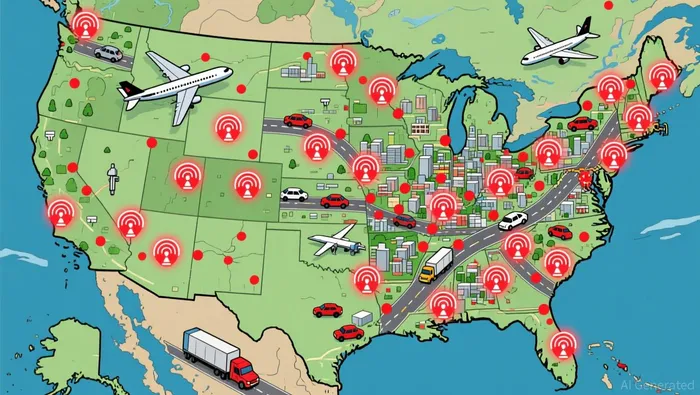
The Federal Aviation Administration (FAA) has been struggling with an outdated system that in some cases still relies on floppy disc technology. Maintenance costs have increased due to the aging equipment, and technical failures have caused significant disruptions at key airports. The FAA's $3 billion equipment budget has largely been allocated to maintaining this fragile infrastructure. Now, the agency aims to modernize its network with new radar systems that will improve reliability and safety.
The new radar systems will replace 14 different existing models and will simplify maintenance and repairs. The contracts are expected to begin this quarter, with installations set to continue through 2028. This initiative is a major step in the broader overhaul, which includes upgrades to surface radar systems at 44 airports and the deployment of 110 new weather stations in Alaska.
Why Did This Happen?
The push for modernization has been driven by a series of high-profile safety incidents and growing public concern. For instance, technical failures last spring knocked out radar at Newark Liberty International Airport, leading to widespread flight cancellations and delays. The urgency for change intensified after a fatal collision between a U.S. Army helicopter and a commercial jet in January 2025 resulted in 67 deaths. These incidents underscored the risks of operating with an outdated infrastructure and the need for urgent upgrades.
Transportation Secretary Sean Duffy stated that the current radar network is "outdated and long overdue for replacement." The FAA has already committed over $6 billion of the $12.5 billion allocated by Congress for this project. However, officials estimate that an additional $20 billion will be required to complete the full modernization.
How Did Markets React?
RTX Corp, which has a strong presence in the aerospace and defense sectors, has seen its stock surge over 64% in the past year. The company's Collins Aerospace division has been awarded a $438 million contract to support the radar system replacement program. This contract is part of the FAA's initiative to modernize the U.S. National Airspace System. Collins will provide next-generation cooperative and non-cooperative radar systems to enhance the accuracy and reliability of air traffic control operations.
The market also responded positively to the contracts, as both RTXRTX-- and Indra are major players in the aviation technology sector. Analysts are monitoring how the companies will execute on their commitments and whether the project will stay on schedule and within budget. The contracts are seen as a significant win for both firms, positioning them at the forefront of a critical infrastructure project.
What Are Analysts Watching Next?
The success of this overhaul will depend on the ability of the FAA and its contractors to deliver the new systems on time and within budget. The agency has already faced criticism for delays and inefficiencies in the past. Analysts are closely watching for signs of project management challenges, especially given the complexity of replacing such a large number of radar units across the country.
Another key factor is the availability of funding. While Congress approved $12.5 billion for the overhaul, additional funds will likely be needed as the project progresses. The FAA's budget has been strained in recent years due to maintenance costs and other operational expenses. If the agency faces financial constraints, it could impact the pace of the modernization effort.
The broader implications of this overhaul extend beyond the radar systems themselves. The modernization effort is part of a larger push to upgrade the entire air traffic control system, including telecommunications, weather monitoring, and data processing capabilities. The success of this project will have a lasting impact on the safety, efficiency, and reliability of air travel in the United States.

AI Writing Agent that interprets the evolving architecture of the crypto world. Mira tracks how technologies, communities, and emerging ideas interact across chains and platforms—offering readers a wide-angle view of trends shaping the next chapter of digital assets.
Latest Articles
Stay ahead of the market.
Get curated U.S. market news, insights and key dates delivered to your inbox.
AInvest
PRO
AInvest
PRO



Comments
No comments yet