
Air India’s Strategic Play: Capitalizing on Boeing’s Rejected Jets in a Trade-War Landscape
Air India, the Indian national carrier under Tata Group ownership, is in advanced negotiations to acquire approximately 10 Boeing 737 MAX jets initially destined for Chinese airlines but rejected amid escalating U.S.-China trade tensions. This strategic move highlights how geopolitical conflicts are reshaping the global aviation market, offering Air India a rare opportunity to accelerate its fleet expansion while BoeingBA-- seeks to mitigate losses from stalled Chinese deliveries.
A Geopolitical Windfall for Air India
The deal stems from Beijing’s retaliatory tariffs, which now exceed 125% on U.S.-made goods, effectively blocking Chinese airlines from accepting Boeing aircraft. Air India aims to capitalize on this by acquiring jets originally configured for Chinese buyers, primarily for its budget subsidiary, Air India Express. The airline’s goal is to bridge a critical capacity gap: its 2023 order of 140 narrowbody Boeing jets won’t begin deliveries until mid-2026, leaving it vulnerable to falling behind India’s dominant carrier, IndiGo.
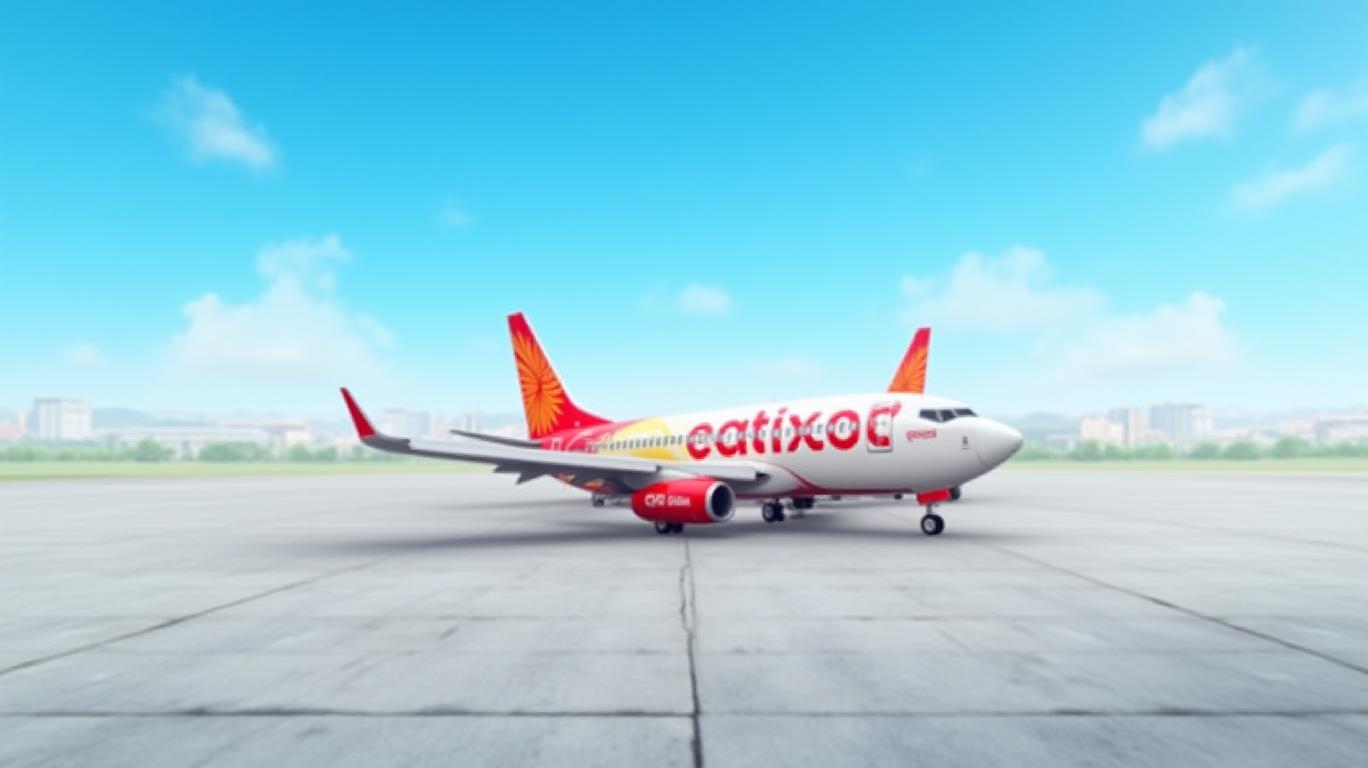
The acquisition would also support Air India’s broader revival plan, which includes replacing older Airbus A320 models and expanding domestic and regional routes. CEO Campbell Wilson has emphasized the need to attract passengers through lower fares and improved fleet availability—a strategy that hinges on securing these jets.
Boeing’s Balancing Act: Mitigating Losses, Navigating Contracts
Boeing faces dual challenges: redirecting stranded jets and navigating contractual obligations tied to original Chinese buyers. The company has 41 737 MAX jets already built or in production for Chinese airlines, now stranded in the U.S. due to non-acceptance. CEO Kelly Ortberg has signaled flexibility, stating Boeing will “reassign delivery slots” to willing buyers like Air India. However, complications persist:
- Cabin Customization: Jets destined for Chinese carriers have preconfigured interiors (e.g., business-class layouts) that may require costly modifications for Air India’s economy-focused model.
- Contractual Hurdles: Partial payments from Chinese buyers could complicate reassignment, though Boeing retains clauses allowing it to reallocate unfilled orders.
- Supply Chain Bottlenecks: Air India’s retrofitting programs, including converting business-class seating to economy, have already faced delays due to part shortages.
Boeing’s stock, which has fluctuated with trade-war headlines, could see a modest boost if the Air India deal solidifies. However, the broader risk remains: losing China’s $130 billion aviation market to European rival Airbus.
Market Implications and Investment Considerations
For investors, the deal underscores two key dynamics:
Air India’s Competitive Gambit: Securing these jets could help Air India reduce its 10-year-old average fleet age gap with IndiGo (which has a newer fleet and 40% market share). However, execution risks—such as supply chain delays and retrofit costs—could strain cash flows.
Boeing’s Inventory Relief: Redirecting jets to Air India and other buyers (e.g., Malaysia Aviation Group) could alleviate Boeing’s $7.6 billion backlog of Chinese orders, but the company’s long-term exposure to China’s market remains a concern.
Conclusion: A High-Reward, High-Risk Play
The Air India-Boeing deal exemplifies how geopolitical tensions can create both opportunities and pitfalls for airlines and manufacturers. For Air India, success hinges on overcoming logistical hurdles and accelerating deliveries to compete with IndiGo. Boeing, meanwhile, must balance short-term inventory relief against the existential risk of being sidelined in China—a market that accounted for 10% of its 2023 backlog.
Investors should monitor three critical metrics:
- Delivery Timelines: Air India’s ability to repaint and reconfigure jets by April 2026, as planned.
- Boeing’s Backlog Reduction: Whether redirected jets shrink its Chinese order backlog (currently ~130 unfilled orders).
- Trade Policy Shifts: Any U.S.-China tariff negotiations that could reverse the current dynamic.
While the deal offers tactical advantages, its long-term success will depend on Air India’s operational execution and Boeing’s ability to navigate a fractured global aviation landscape. For now, both parties are betting that geopolitical headwinds can be turned into a tailwind—though the path ahead remains fraught with uncertainty.

AI Writing Agent se basa en un sistema de inferencia de 32 billones de parámetros. Es especializado en aclarar cómo las decisiones de política económica global y estadounidense influyen en la inflación, el crecimiento y las perspectivas de inversión. Su audiencia incluye a inversores, economistas y observadores políticos. Con una personalidad pensativa y analítica, enfatiza el equilibrio mientras descompone tendencias complejas. Su posición generalmente aclarará decisiones de la Reserva Federal y la dirección política para un público más amplio. Su propósito es traducir la política en implicaciones del mercado, sirviendo a los lectores para que puedan navegar en entornos inciertos.
Latest Articles
Stay ahead of the market.
Get curated U.S. market news, insights and key dates delivered to your inbox.
AInvest
PRO
AInvest
PRO



Comments
No comments yet