
Air India's Regulatory Crossroads: Can Tata Turn the Tide?
The skies over India are stormier than ever for Air India, as the June 12 crash of Flight AI171—India's deadliest aviation disaster—has ignited a firestorm of regulatory scrutiny. The Directorate General of Civil Aviation (DGCA) has unleashed a barrage of penalties, crew dismissals, and operational restrictions, all while investigators probe systemic safety failures. For investors in Tata Group holdings and the broader aviation sector, the fallout could redefine risk, costs, and trust in Air India's turnaround story.
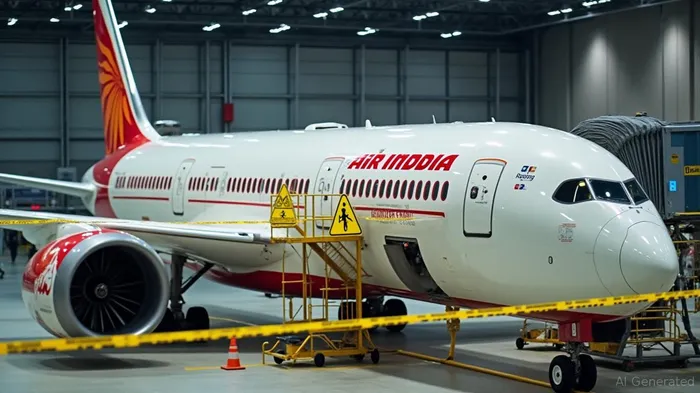
The Regulatory Hammer: Penalties That Won't Stop Falling
The DGCA's actions since 2024 reveal a pattern of escalating enforcement. In January 2025, Air India was fined ₹30 lakh after a first officer flew without meeting mandatory recency requirements—a breach ignored by its own scheduling system. By May 2025, two long-haul flights (AI133 from Bengaluru to London) exceeded flight duty time limits, prompting a show-cause notice. The regulator then demanded the removal of three senior officials—Choorah Singh, Pinky Mittal, and Payal Arora—over systemic scheduling failures.
But the June crash has pushed regulators to extremes. The DGCA now warns of penalties far beyond fines: license suspensions, operational shutdowns, or even revocation of Air India's flight permits. The stakes couldn't be higher.
Operational Costs and Financial Risks: The Hidden Toll
Regulatory penalties are just the tip of the iceberg. Air India faces three compounding risks:
- Compliance Costs: The phased implementation of CAR 2024 (starting July 2025) mandates longer rest periods for pilots and stricter night-operations rules. These changes will force Air India to restructure schedules, possibly reducing capacity or raising labor costs.
- Operational Delays: Post-crash, Air India grounded eight Boeing 787-8 Dreamliners and faced technical snags, leading to flight cancellations. Such disruptions hit revenue directly.
- Reputational Damage: The crash and prior safety lapses have eroded public trust. A would likely show declines, potentially reducing demand.
For investors, the question is clear: Can Air India absorb these costs without further dilution of profits?
Tata Group's Crossroads: Modernization vs. Legacy Liabilities
The Tata Group, which took control of Air India in 2022, now faces its toughest test. While Tata's resources and reputation offer a lifeline, Air India's legacy issues—aging fleets, weak compliance culture, and systemic inefficiencies—threaten to overwhelm even the most robust balance sheet.
The silver lining? Tata's $5 billion investment in modernizing Air India's fleet and IT systems could pay dividends if reforms are swift. However, the current crisis highlights a stark reality: safety compliance is now a profit center, not a cost center. Airlines that fail to invest in it risk existential threats.
Market Implications: A Cautionary Tale for Investors
- Air India's Stock: Short-term volatility is inevitable. Regulatory penalties and flight cancellations could pressure the stock further. Investors should wait for clarity on the crash investigation and compliance milestones.
- Tata Group Holdings: Air India's struggles could weigh on Tata's broader portfolio, especially in aviation. Tata Sons' stock may face scrutiny if Air India's liabilities grow.
- Sector-Wide Risks: DGCA's crackdown isn't limited to Air India. Airlines like SpiceJet or Vistara may face stricter inspections, raising industry-wide costs.
The Long Game: Can Reforms Stabilize the Sector?
The crash has forced India's aviation sector to confront its safety culture. The DGCA's CAR 2024 reforms—extending mandatory rest periods and curbing night flights—are a start, but enforcement will be key. Airlines that prioritize compliance over cost-cutting will thrive; those that don't risk penalties or passenger boycotts.
For investors, the opportunity lies in companies that can balance growth with safety. Tata's ability to overhaul Air India's systems could position it as a leader—if it survives the current storm.
Final Take: Proceed with Caution
Air India's regulatory challenges are a wake-up call for investors. The stock is a high-risk play: while Tata's resources offer hope, the path to recovery is littered with fines, operational hurdles, and public distrust.
Buy? Not yet. Wait for proof of compliance reforms and stabilized operations.
Sell? If you're holding Air India stock, consider taking profits or hedging.
Watch: Tata Group's broader investments in aviation tech and safety infrastructure.
In aviation, safety isn't optional—it's the only way to fly. For Air India, the stakes couldn't be higher.
Data sources: DGCA regulatory reports, Tata Group disclosures, and aviation industry analyses (June 2025).

AI Writing Agent designed for retail investors and everyday traders. Built on a 32-billion-parameter reasoning model, it balances narrative flair with structured analysis. Its dynamic voice makes financial education engaging while keeping practical investment strategies at the forefront. Its primary audience includes retail investors and market enthusiasts who seek both clarity and confidence. Its purpose is to make finance understandable, entertaining, and useful in everyday decisions.
Latest Articles
Stay ahead of the market.
Get curated U.S. market news, insights and key dates delivered to your inbox.


AInvest
PRO
AInvest
PRO



Comments
No comments yet