
Air Canada Strike United Airlines: Government Steps In Amid Major Travel Disruptions
 Aime Summary
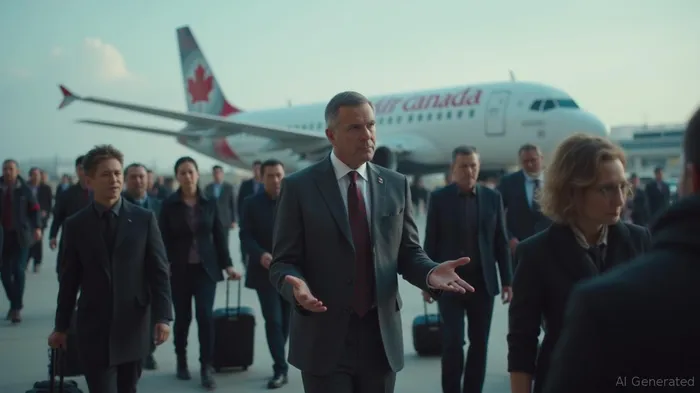
The recent work stoppage by Air Canada flight attendants has triggered substantial disruptions for travelers, leading to the Canadian government's intervention. More than 10,000 flight attendants launched a strike early Saturday to protest issues including pay and working conditions, effectively grounding hundreds of flights and affecting approximately 130,000 passengers daily during a key summer travel period.
In response, Canadian Jobs Minister Patty Hajdu acted swiftly, directing the Canada Industrial Relations Board to enforce binding arbitration and extend the current collective agreement until a new contract is finalized. Citing the strike’s negative ramifications on the Canadian economy, Hajdu emphasized the essential role air travel plays in transporting vital goods and services.
Air Canada, which operates around 700 flights daily and serves over 180 airports globally, faced the suspension of operations shortly after the strike commenced. The airline had already canceled significant numbers of flights; aviation analytics reported a total of 671 flights grounded by Saturday afternoon, with more cancellations anticipated. The shutdown left many travelers stranded worldwide, grappling with limited options for rerouting due to the peak travel period.
Passengers impacted by the cancellations received notifications, with Air Canada advising against visiting airports unless having confirmed alternate travel arrangements on different carriers. Rebooking efforts are hampered by the limited availability of seats during the summer, despite attempts to accommodate travelers on partner airlines within the Star Alliance network.
The Air Canada component of CUPE, representing the flight attendants, has criticized the government's move, arguing it undercuts their right to strike and demanding full compensation for unpaid ground duties. Air Canada had proposed a raise in overall compensation by 38% over four years, but union representatives highlight the offer fails to address core concerns about fair compensation for time spent on the ground.
Concerns continue to evolve as the binding arbitration commences, with no clear indication of a resolution timeline. Air Canada COO Mark Nasr estimated that services could take up to a week to return to normalcy post-agreement. Meanwhile, the union maintains picketing efforts and continues to advocate for fairer working conditions and compensation parity with other airline counterparts.
The government's intervention is aimed at restoring operations amidst a travel chaos that has also strained critical sectors reliant on air transport. The situation underscores a broader discourse on labor rights and negotiation dynamics within key industries, reflective of the complex balance between operational continuity and workers’ demands for equitable treatment.

Stay ahead of the market.
Get curated U.S. market news, insights and key dates delivered to your inbox.


AInvest
PRO
AInvest
PRO



Comments
No comments yet