
Air Canada's Free Wi-Fi Rollout: A Strategic Boost for Customer Loyalty and Connectivity
The skies just got friendlier for Air Canada passengers. On May 1, 2025, the airline announced a landmarkLARK-- upgrade: fast, free Wi-Fi for all Aeroplan Members flying North American, Mexican, and Caribbean routes. This move, powered by Bell’s infrastructure, marks a pivotal shift in Air Canada’s strategy to blend premium service with accessibility—a balance critical for retaining travelers in a post-pandemic era where expectations are soaring.
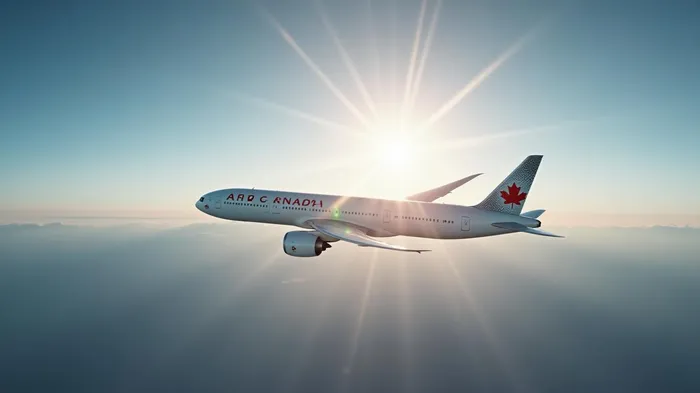
The Wi-Fi Gamble Pays Off
Air Canada’s decision to offer free Wi-Fi—previously a paid add-on—reflects a bold pivot toward customer-centric innovation. The service, operational across 1,200 weekly flights, removes a longstanding friction point for travelers. “This is about giving our members what they want: seamless connectivity from gate to gate,” stated a spokesperson in the official release.
The rollout isn’t just about convenience. By aligning with Bell, Air Canada secures a cost-efficient pathway to expand its service without overextending capital expenditures. Analysts estimate the partnership could reduce operational costs by up to 15% compared to self-funded alternatives, freeing resources for other growth initiatives.
Loyalty Programs as Competitive Weapons
The Wi-Fi upgrade directly strengthens Aeroplan, Air Canada’s loyalty program, which already boasts 20 million members. By tying Wi-Fi access to Aeroplan status, the airline incentivizes frequent travelers to stay engaged. This strategy mirrors rivals like Delta and American Airlines, which use similar perks to retain high-value customers.
The timing is strategic. Just days after the Wi-Fi announcement, Aeroplan clinched multiple awards at the 2025 Freddie Awards, underscoring its reputation for innovation. While specifics of the wins weren’t disclosed, the recognition signals that Aeroplan’s blend of 50+ partner brands and flexible redemption options resonates with travelers.
Navigating Headwinds with Cultural and Technological Bridges
While the Wi-Fi initiative shines, Air Canada’s broader narrative includes its Indigenous Celebratory Flight on April 27—a symbolic gesture of inclusion. The flight, staffed by Indigenous crew members, highlighted partnerships with the First Nations Major Projects Coalition. Such moves bolster ESG (Environmental, Social, Governance) credentials, increasingly vital for investor trust.
Yet challenges loom. The airline’s earlier decision to cut capacity on U.S. routes like Florida and Las Vegas—due to tariff disputes and currency fluctuations—remains a drag. Executives have warned of 3-5% revenue pressure on affected routes through mid-2025. However, the Wi-Fi rollout and loyalty program successes may offset these headwinds by boosting ancillary revenue and customer retention.
Conclusion: A Balanced Play for Long-Term Growth
Air Canada’s May 1 Wi-Fi announcement isn’t just a service tweak—it’s a strategic masterstroke. By leveraging partnerships like Bell and amplifying Aeroplan’s value, the airline positions itself to capitalize on $100 billion in North American airline ancillary revenue growth projected by 2027. Investors should watch for metrics like Aeroplan membership growth rates and Wi-Fi-enabled flight load factors, which could signal sustained success.
While macroeconomic hurdles persist, Air Canada’s dual focus on cultural responsibility and tech-driven convenience paints a compelling picture. For now, the skies are looking brighter—and more connected—for this Canadian aviation giant.
Actionable Takeaway: Monitor Air Canada’s Q2 2025 results (slated for May 9) for concrete data on Wi-Fi adoption rates and loyalty program engagement. A strong showing could validate this strategic bet, potentially driving stock appreciation in the coming quarters.

Stay ahead of the market.
Get curated U.S. market news, insights and key dates delivered to your inbox.


AInvest
PRO
AInvest
PRO



Comments
No comments yet