
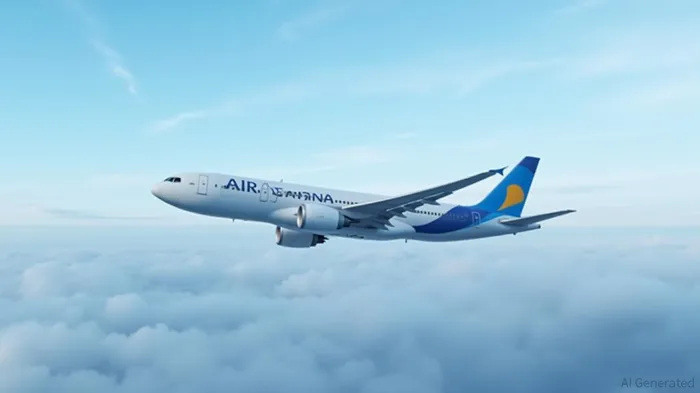
Air Astana remains on course to deliver growth in 2026
Kazakhstan’s aviation sector, led by Air Astana, remains on a growth trajectory in 2026, supported by expanding domestic and international operations. In 2025, Kazakh airports handled 31.8 million passengers, a 7% increase from 2024, while cargo volumes rose to 173,300 tons. Air Astana, the national carrier, has reinforced its long-term strategy with a significant fleet modernization effort, ordering up to 15 additional Boeing 787-9 Dreamliners, bringing total commitments to 18 aircraft valued at $7 billion. These widebody jets, scheduled for delivery between 2032 and 2035, will enhance connectivity to Asia, Europe, and the Middle East, aligning with the government's goal to expand international routes.
Domestically, the government subsidized 23 routes in 2025, serving 520,000 passengers, with plans to extend support to 24 routes in 2026. Digital advancements, including biometric passenger identification and the e-Freight standard, have improved operational efficiency, reducing cargo processing times by 96%. Regulatory frameworks for Urban Air Mobility, including eVTOL technologies, are also under development.
Safety remains a priority, with Kazakhstan achieving 95.7% compliance with international aviation standards in 2025. Collaboration with the International Civil Aviation Organization (ICAO) includes a 2050 Civil Aviation Master Plan and participation in ICAO Council elections in 2026.
Operational continuity is ensured despite temporary runway maintenance at Astana International Airport (April–May 2026), with rescheduled flights coordinated to minimize disruptions. Air Astana’s strategic investments and policy support position the sector to strengthen regional trade, tourism, and Kazakhstan’s role as a Eurasian aviation hub.
Stay ahead of the market.
Get curated U.S. market news, insights and key dates delivered to your inbox.
AInvest
PRO
AInvest
PRO



Comments
No comments yet