
Aid to Africa Drops, Sparking Crisis and Reform Calls
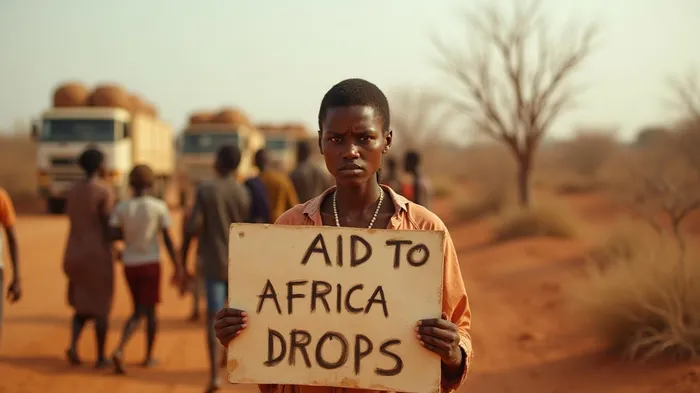
Humanitarian aid for Africa is currently experiencing a notable decrease, a trend that has sparked concern among international observers. This reduction is due to various factors, including shifting global priorities and economic constraints in donor countries. The situation is particularly challenging for African nations that depend heavily on external support to tackle issues such as poverty, healthcare, and infrastructure development.
The decline in aid is especially worrisome given the ongoing crises in several African regions. Conflicts, natural disasters, and economic instability have left millions of people in need of assistance. The withdrawal of aid could worsen these issues, leading to further suffering and instability. However, some experts view this as an opportunity to rethink and improve the current aid model. They argue that the traditional approach to humanitarian aid, which often involves short-term relief efforts, may not be sustainable in the long run. Instead, there is a growing call for more comprehensive and integrated development strategies that focus on building local capacities and fostering self-sufficiency.
One of the key challenges in addressing the aid crisis is the need for a more coordinated and effective response from the international community. Donor countries and international organizations must collaborate to ensure that aid is distributed efficiently and effectively. This includes addressing corruption and ensuring that aid reaches those who need it most. Additionally, there is a need for greater investment in local institutions and communities, which can play a crucial role in driving sustainable development.
The decline in humanitarian aid also underscores the importance of economic development in Africa. Many African countries are rich in natural resources, but they often lack the infrastructure and institutions needed to harness these resources for economic growth. Investing in infrastructure, education, and healthcare can help create a more stable and prosperous future for African nations. This, in turn, can reduce their dependence on external aid and promote self-sufficiency.
In conclusion, while the drying up of humanitarian aid for Africa presents significant challenges, it also offers an opportunity to build something better. By rethinking the current aid model and focusing on long-term development strategies, the international community can help African nations achieve greater self-sufficiency and prosperity. This will require a coordinated and effective response from donor countries and international organizations, as well as a commitment to investing in local institutions and communities.

Stay ahead of the market.
Get curated U.S. market news, insights and key dates delivered to your inbox.






Comments
No comments yet